



Asian Animal Figurine
An asian animal figurine brings the vitality of nature indoors, cast in bronze, carved from wood, or shaped from stone.
Asian Animal Figurine
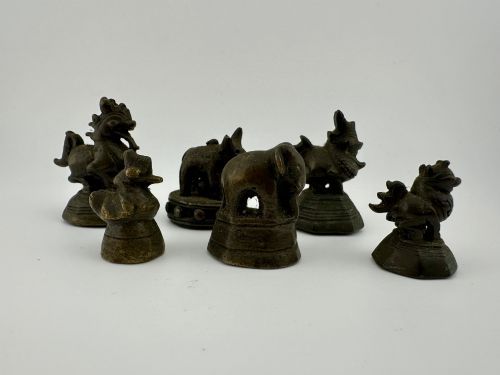
When you search for an asian animal figurine, you encounter sculptural works originating from China, Japan, and Southeast Asia. These pieces range from utilitarian trade weights to decorative okimono and temple-style pottery.
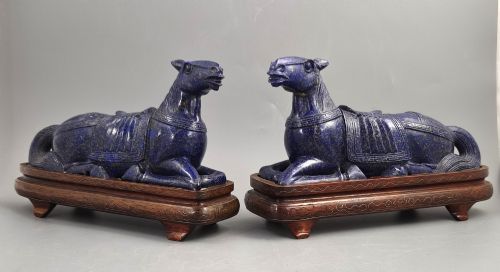
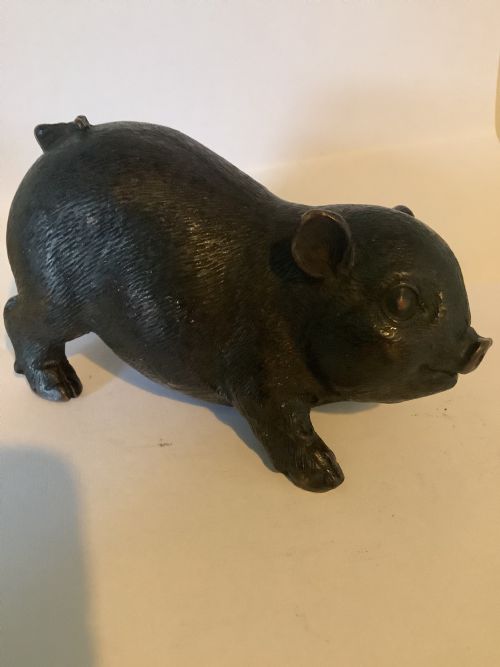
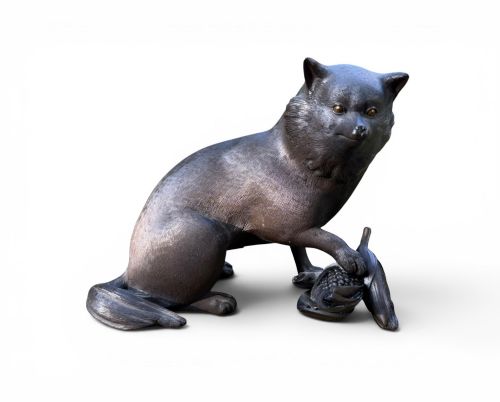
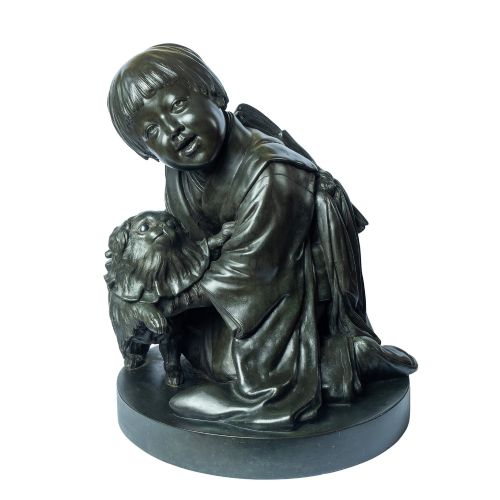
The selections on this page concentrate heavily on nineteenth-century Japanese bronze castings and Chinese carvings in jade, hardwood, and porcelain. You find domestic animals, village creatures, and mythical beasts depicted in realistic or stylised forms.
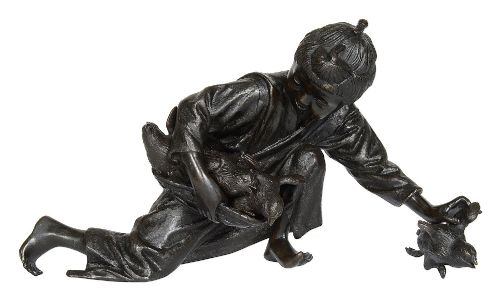
Forms vary from miniature jade fish to large bronze elephants engaged with tigers. Many capture fleeting moments, such as chickens gathered by a figure or horses resting upon silver-inlaid stands.
Materials and methods
Bronze sculptures utilise the lost-wax casting method, allowing artisans to achieve fine texture in fur, feather, and skin. Workshops often added patination or silver wire inlay to enrich the surface detail.
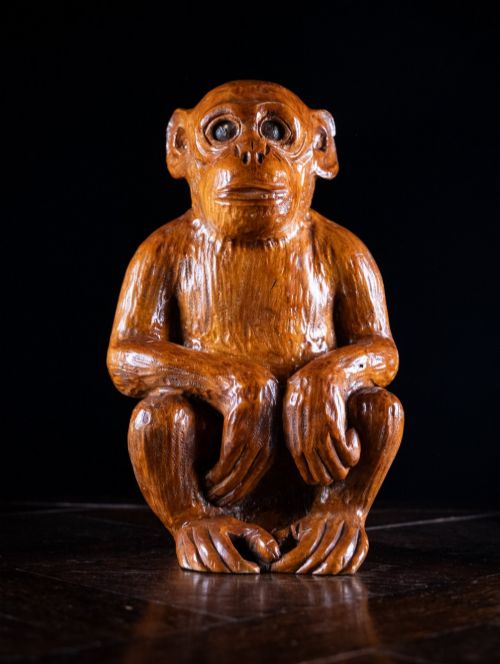
Wood and hardstone pieces rely on hand carving, utilising the natural grain of hardwoods or the stubborn density of jade and horn. Artisans worked closely with the raw material, letting natural inclusions guide the final shape of a rooster or rodent.
Ceramic figures employ traditional moulding and glazing techniques, including sancai glazes on porcelain ducks and turquoise washes on cockerels. Firing temperatures determined the depth and gloss of these colourful finishes.
Asian Animal Figurine Retail Price Guide 2026
Typical asking prices for asian animal figurine among the pieces listed under this phrase on Sellingantiques today, from the lower quarter to the upper quarter. They describe what is for sale here now, not the wider market.
Listings feature items from the eighteenth, nineteenth, and early twentieth centuries, spanning Chinese Qing and Japanese Meiji eras.
Distinctions in quality
Quality rests primarily on the sensitivity of the modelling and the crispness of the finishing work. A superior bronze reveals careful chisel work after casting, whilst lesser examples remain soft and indistinct in the details.
In carved wood and hardstone, excellence shows in the economy of line and the respect paid to the natural medium. Master carvers capture anatomical truth and movement without losing the character of the grain or stone.
MASAAKI
The Asian Animal Figurine Glossary
- Okimono
- A Japanese ornamental carving or sculpture designed for display on a shelf or in a tokonoma alcove. These small-scale figures frequently depict animals, people, or folklore.
- Opium weight
- A small traditional brass or bronze weight cast in the form of animals, used in trade across Burma and Thailand. Ducks, elephants, and mythical beasts are common shapes.
- Sancai
- A traditional three-colour Chinese glaze technique utilising lead-based pigments, most often amber, green, and cream. It creates a rich, dripping finish on ceramic figures.
- Meiji Period
- The era of Japanese history spanning from eighteen sixty-eight to nineteen twelve, noted for exceptional metalwork and ivory carving. Art from this time often reached western export markets.
- Tical
- A traditional unit of weight used in Southeast Asian trade. Sets of animal weights often correspond to these standard denominations.
Asian Animal Figurine: Frequently Asked Questions
How were bronze animals made?
Artisan foundries utilised the lost-wax technique to cast bronze figures in detailed moulds. Skilled finishers then chased the metal surface by hand to define fur, feathers, and expression.
Some pieces received patination treatments or inlaid silver highlights to increase visual depth.
What are opium weights?
Opium weights are cast bronze or brass figures shaped like animals, used as standard weights in Southeast Asian markets. Common forms include stylised elephants and sacred birds.
Traders used these practical objects daily, meaning surviving examples carry authentic handling wear.
How do I care for antique wood?
Keep wooden and carved sculptures away from direct sunlight and sudden temperature shifts. Dust gently with a dry, soft brush rather than using liquid polishes.
Maintaining stable humidity in your room protects the natural grain from splitting.