

Arts Crafts Storage Cupboard
These arts crafts storage cupboard pieces combine utilitarian function with honest construction, offering robust storage rooted in the early twentieth century.
Arts Crafts Storage Cupboard
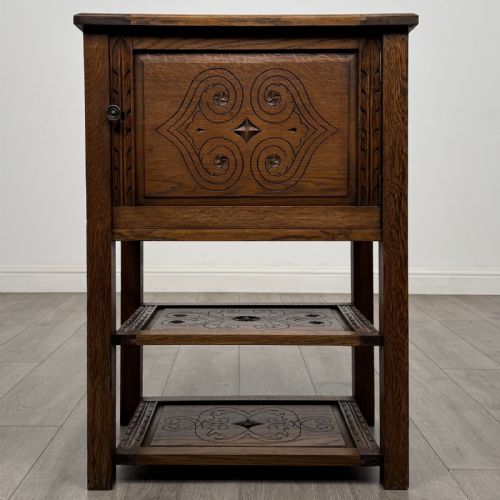
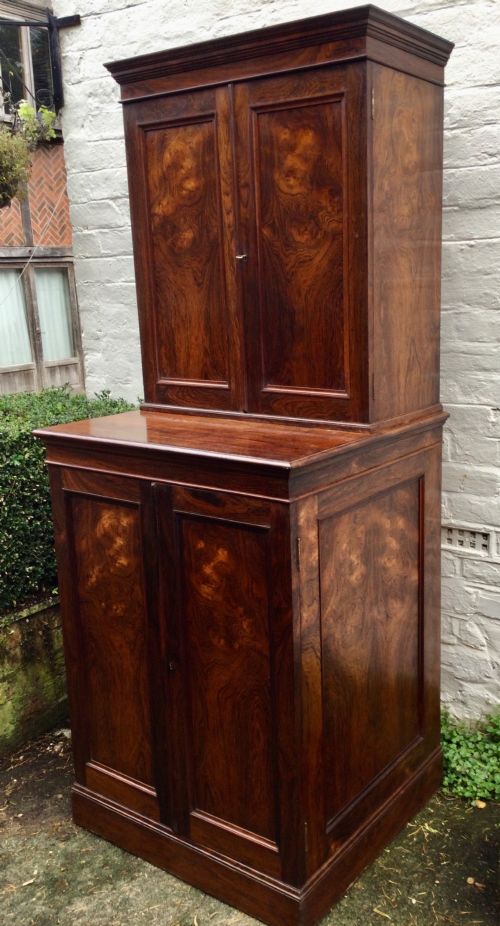
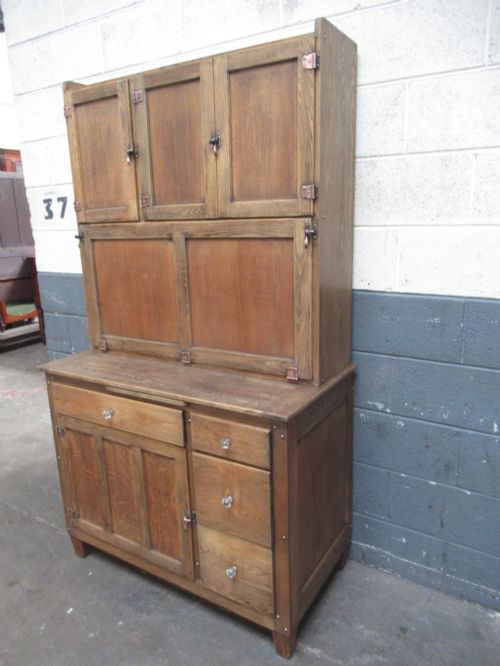
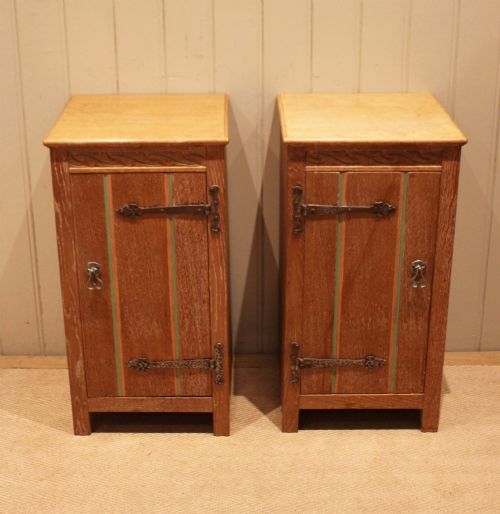
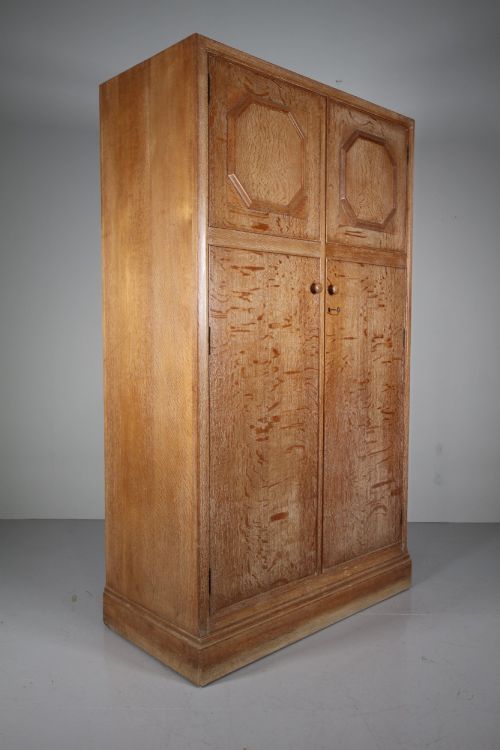
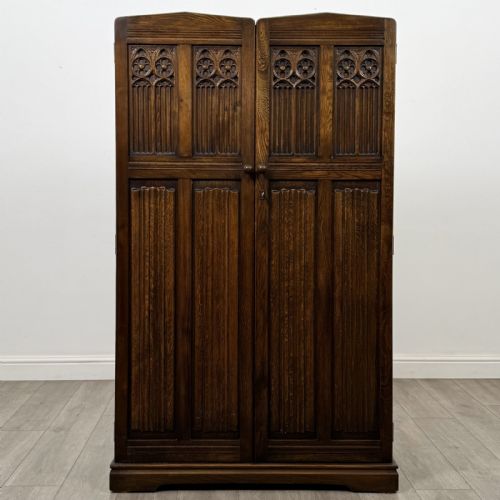
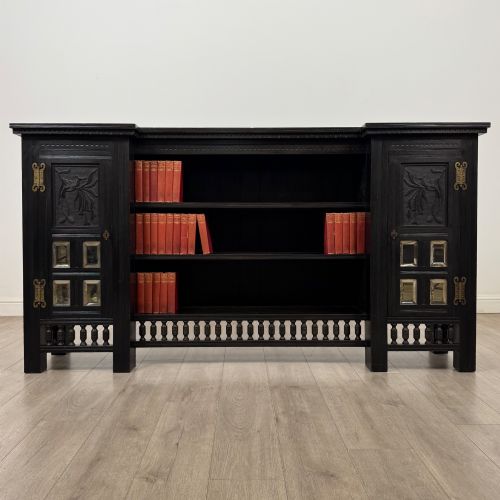
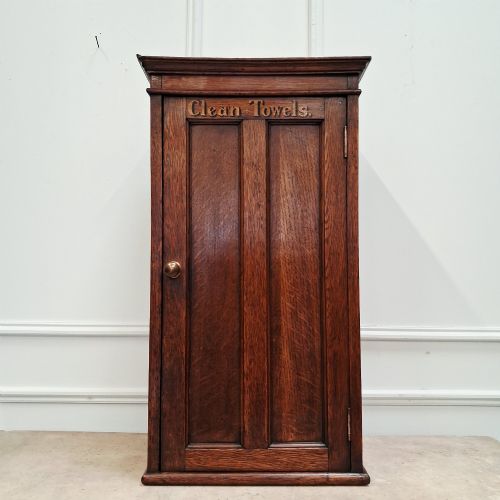
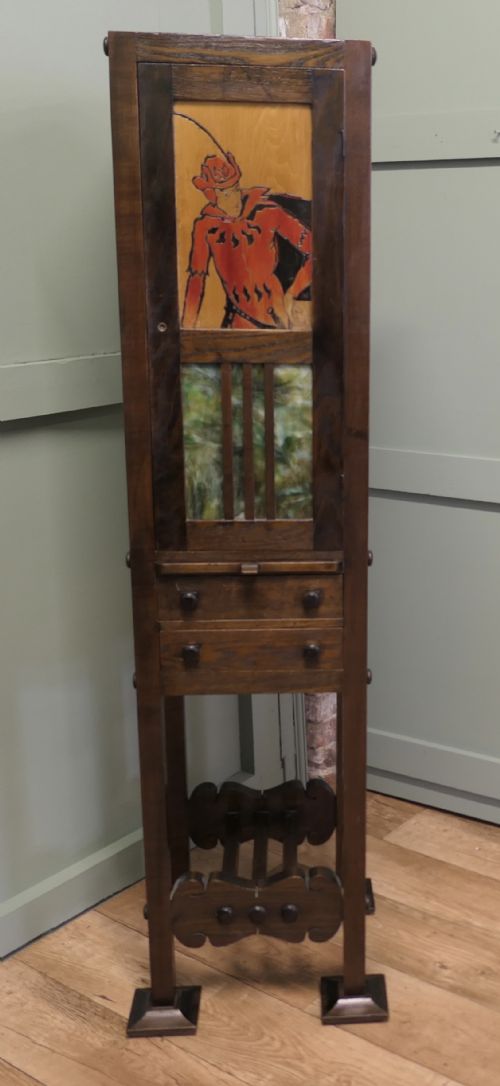
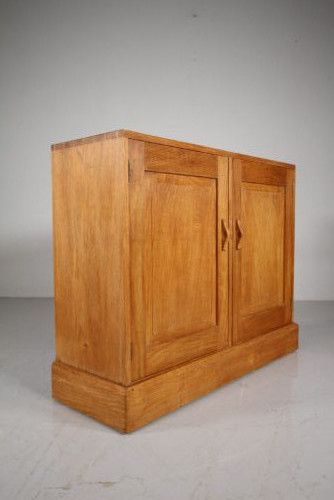
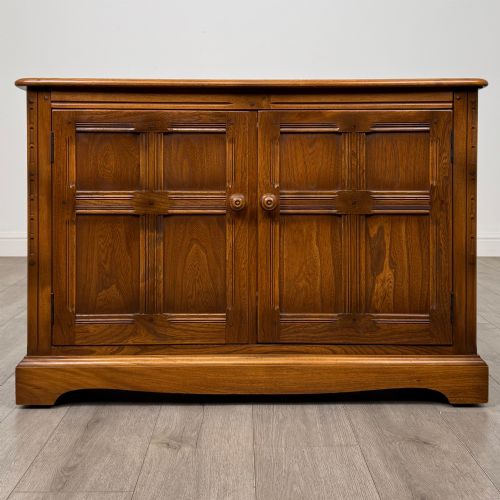
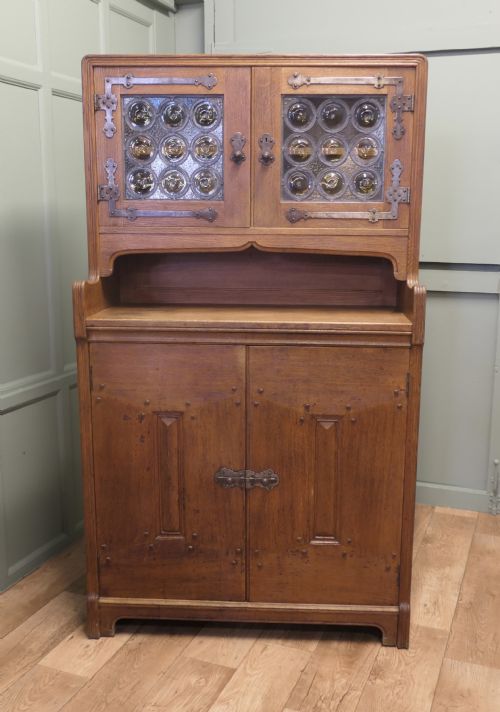
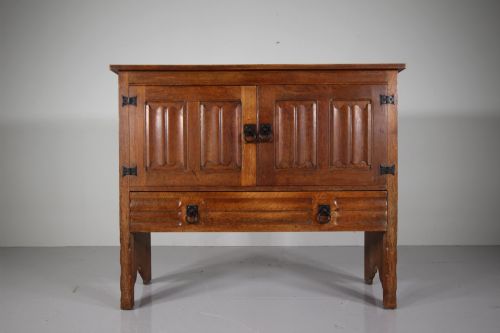
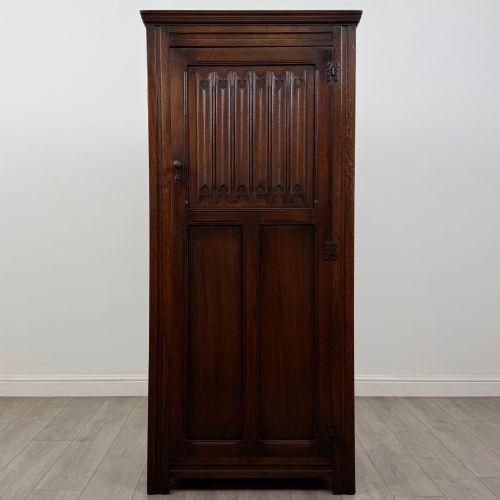
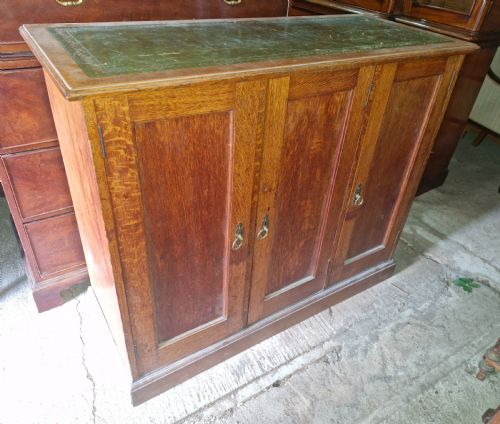
An arts crafts storage cupboard typically presents as a wardrobe, kitchen dresser, sideboard, or bedside cabinet built primarily from solid oak or pine. You will regularly encounter Edwardian interpretations and pieces originating around 1900, which rely on straightforward forms rather than excessive ornamentation.
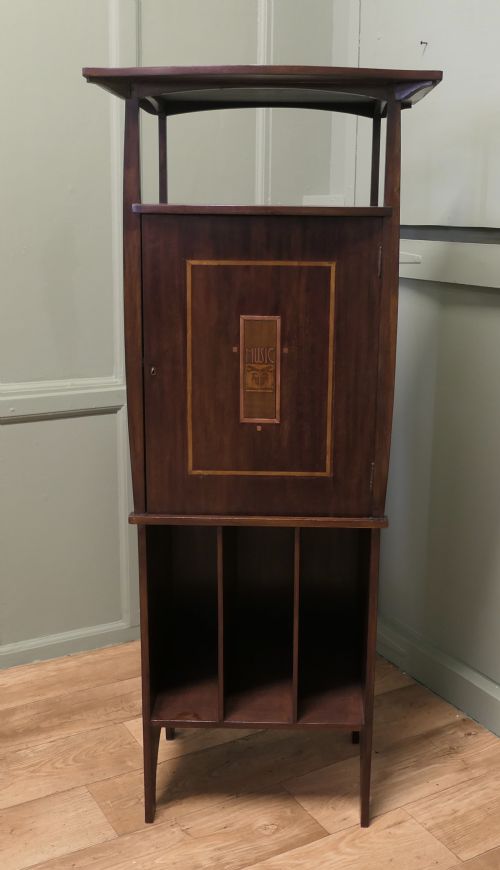
Many examples incorporate regional vernacular styles, ranging from Cotswold School simplicity to Jacobean Revival and Gothic Revival influences. These vessels were designed for daily domestic utility, functioning variously as music cabinets, hall robes, and bookcase cupboards.
Distinguishing quality in construction and design
The distinction between standard utility items and finer examples rests upon the selection of timber and the integration of maker-attributed design. Pieces carrying maker stamps or attributed to notable workshops demonstrate superior joinery and thoughtful proportions.
Detailing such as hand-beaten copper or brass fittings, tile tops, and careful carving elevates certain wardrobes and sideboards above plain commercial production while maintaining the underlying philosophy of the movement.
Arts Crafts Storage Cupboard Retail Price Guide 2026
Typical asking prices for arts crafts storage cupboard among the pieces listed under this phrase on Sellingantiques today, from the lower quarter to the upper quarter. They describe what is for sale here now, not the wider market.
Forms range from compact bedside cabinets and music cabinets to large kitchen dressers, corner cupboards, and multi-door wardrobes.
GM Elwood for JS Henry·Heals·Peter Waals·Maple & Co·Whytock & Reid of Edinburgh
The Arts Crafts Storage Cupboard Glossary
- Cotswold School
- A regional offshoot of the movement associated with simplified domestic furniture. It emphasises unadorned surfaces and traditional woodworking techniques.
- Dresser
- A dual-purpose piece featuring lower cupboards or drawers paired with upper shelving. These items served as practical storage for domestic kitchenware and provisions.
- Knockdown
- A term applied to furniture constructed for easy dismantling and transport. This method was often utilised for large wardrobes to facilitate movement between rooms.
- Tile Top
- An inset decorative ceramic tile surface integrated into cabinet tops. This detail offers protection against heat and moisture while adding colour to the timber.
- Music Cabinet
- A specialised small cabinet fitted with internal shelves for sheet music. These pieces often feature glass or panelled doors to protect the contents.
Arts Crafts Storage Cupboard: Frequently Asked Questions
How do I date an arts crafts storage cupboard?
Dating relies on stylistic markers, construction techniques, and documented periods such as Edwardian production or the decades around 1900 and 1930. Examining the hardware, timber preparation, and any maker stamps assists in placing the object within its historical context.
Simpler vernacular pieces often lack makers' marks, requiring comparison with dated examples of similar oak or pine construction to determine their approximate age.
Where were these cupboards used in the home?
These pieces served practical roles across domestic spaces, functioning as wardrobes in bedrooms, dressers in kitchens, and hall robes for outerwear. Their sturdy construction made them suitable for heavy daily use.
Smaller variants like bedside cabinets and table top cupboards provided compact storage in domestic quarters, reflecting the utilitarian priorities of the period.
How should I maintain a vintage oak cupboard?
Preserving the wood requires stable humidity levels and protection from direct sunlight to prevent the timber from drying or warping. Regular application of suitable wax maintains the finish without sealing the grain.
Harsh chemical cleaners should be avoided in favour of soft, dry cloths for routine dusting of both the wooden surfaces and any metal hardware.
Are pine and oak pieces treated differently?
Pine examples frequently appear prepared for wax or paint finishes, allowing the owner to adapt the exterior appearance to modern interiors. Oak pieces are typically valued for their exposed grain and fumed or polished surfaces.
Both materials require similar environmental controls, though pine is softer and benefits from careful handling to avoid surface bruising.