


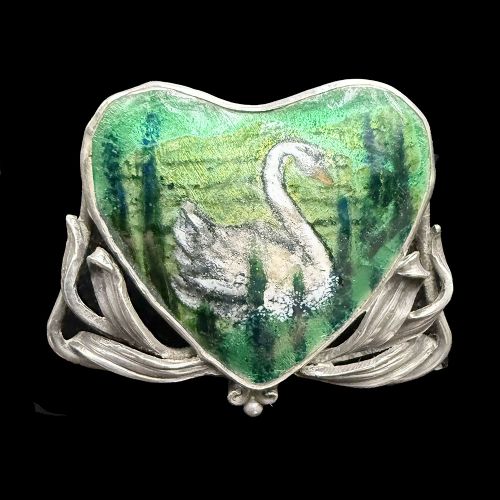


Arts Crafts Silver Jewellery
Arts crafts silver jewellery brings together hand-wrought metal and natural stones, offering collectors tactile pieces of early twentieth-century design.
Arts Crafts Silver Jewellery
When searching for arts crafts silver jewellery, buyers encounter a distinct grouping of pendants, brooches, necklaces, and bracelets originating predominantly from the early twentieth century. These items span late Victorian, Edwardian, and subsequent decades, reflecting stylistic movements such as Art Nouveau, Jugendstil, and Austro-Hungarian design alongside classic Arts and Crafts forms.
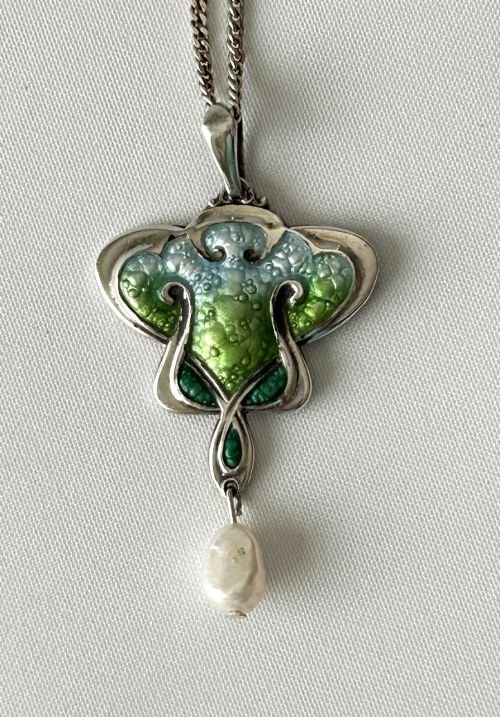
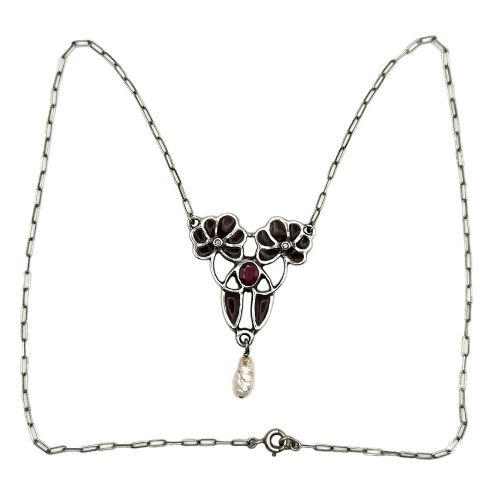
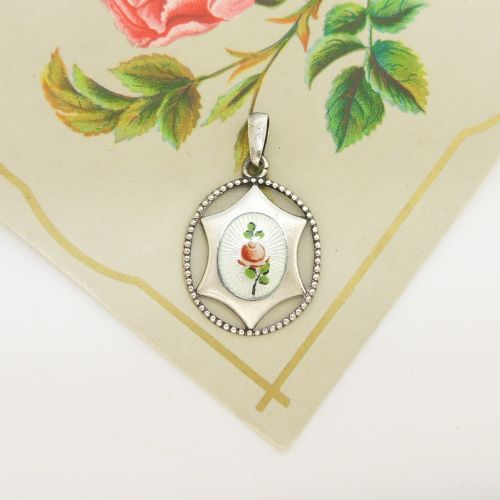
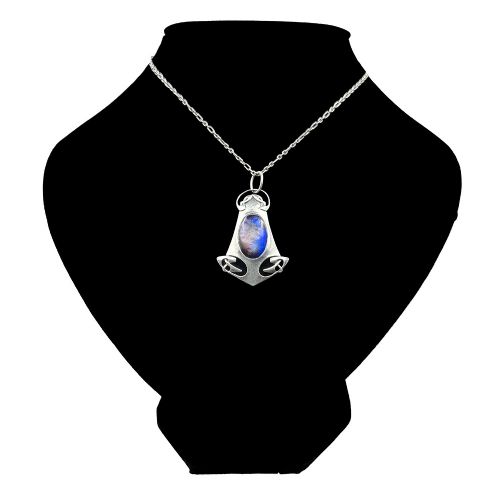
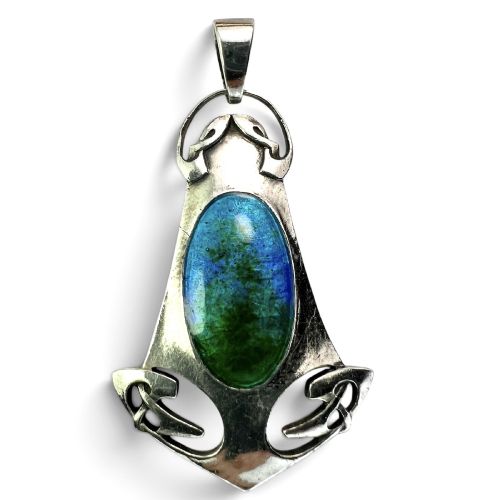
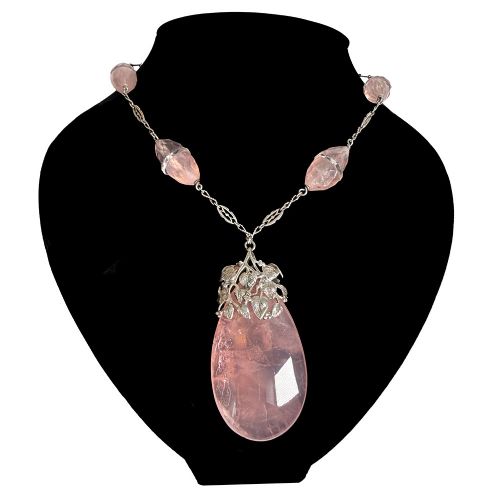
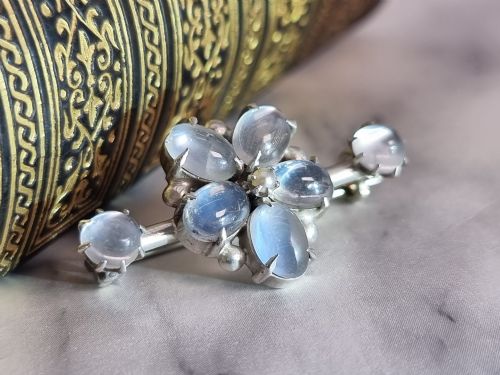
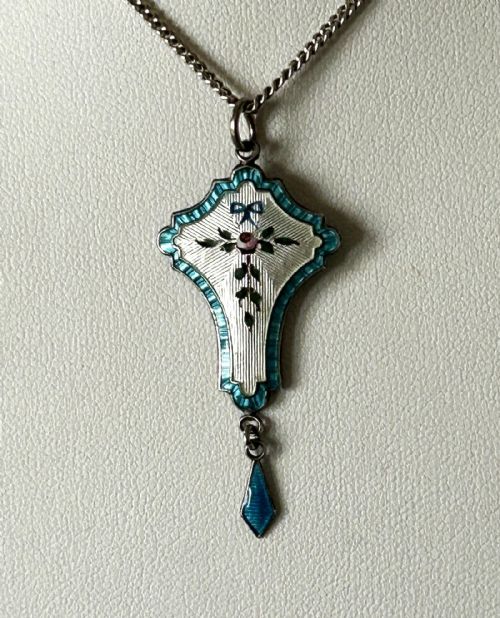
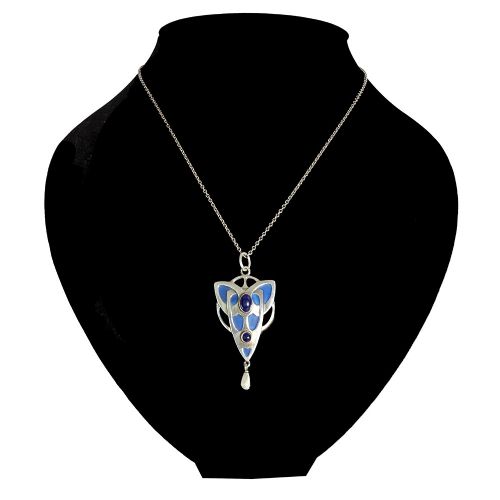
The objects most frequently met on this page include sterling silver pendants and brooches embellished with enamel work and cabochon stones. Makers and firms of the period utilised natural motifs, floral subjects, and geometric elements to create wearable items that moved away from mass-produced Victorian ornament.
Materials and construction
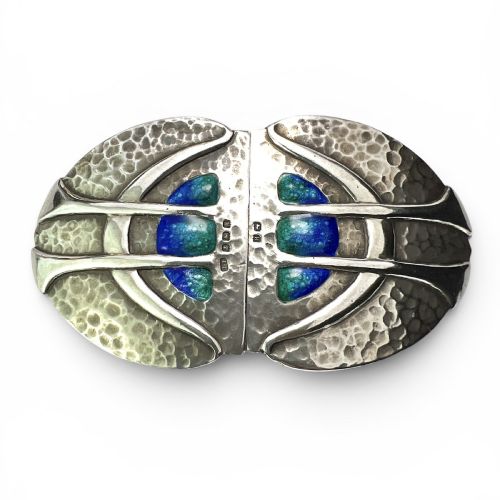
Silversmiths constructed these pieces primarily from sterling silver, employing techniques such as spot-hammering, beating, and riveting to leave visible traces of handcraftsmanship on surfaces and boxes. Metalwork often framed vitreous, plique-a-jour, or cloisonne enamel, which introduced vibrant blue, green, and multicoloured hues to pendants and buckles.
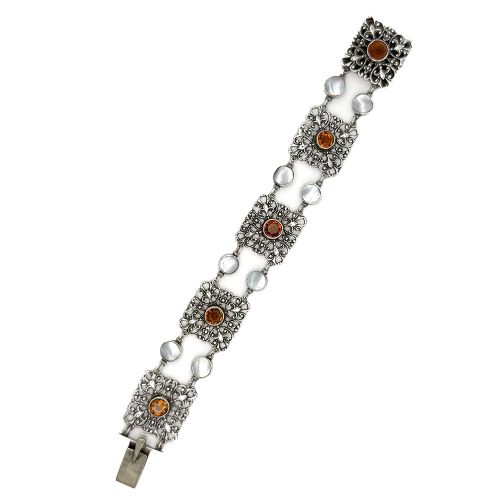
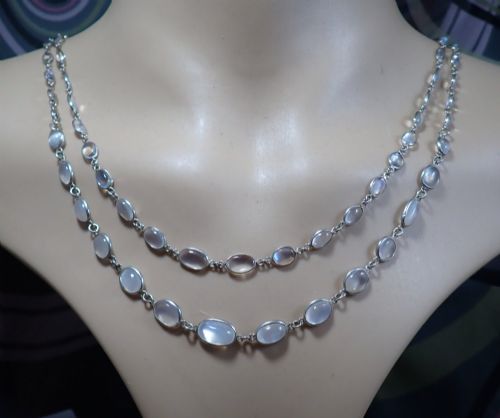
Settings incorporated a variety of semi-precious gems and organic materials, most notably moonstones, blister pearls, opals, amethysts, and turquoises. Stones were typically left in smooth cabochon cuts rather than faceted, allowing their natural sheen to complement the matte or polished silverwork.
Arts Crafts Silver Jewellery Retail Price Guide 2026
Typical asking prices for arts crafts silver jewellery among the pieces listed under this phrase on Sellingantiques today, from the lower quarter to the upper quarter. They describe what is for sale here now, not the wider market.
Listings feature items from the nineteenth century through the 1930s, encompassing Edwardian and Victorian eras alongside specific stylistic movements.
Evaluating craftsmanship and design
Quality in these works rests upon the precision of the metal manipulation and the harmony between the silver setting and the chosen stone. Superior examples demonstrate deliberate hand-beaten textures, secure riveted construction, and enamel work free from cracking or clouding.
Attribution to notable designers or prominent retailers elevates certain pieces above standard workshop production. The integration of rarer stones like plique-a-jour enamel or well-matched moonstones distinguishes finer ornaments from simpler contemporary equivalents.
Charles Horner·Amy Sandheim·Archibald Knox·Liberty and Co·Murrle Bennett·James Fenton·The Gaskins·Mary Thew·Rhoda Wager·Wilhelm Fuhner·WH Haseler·Dorrie Nossiter·Fahrner and Bennett·George Hunt·Nathan and Hayes
The Arts Crafts Silver Jewellery Glossary
- Cabochon
- A gemstone shaped and polished with a smooth, rounded surface rather than faceted. This style of cutting is frequently seen on moonstones and opals within early twentieth-century metalwork.
- Plique-a-jour
- An enamelling technique where enamel is applied in cells without a backing, resembling miniature stained glass that allows light to pass through. It appears on select pendants from the period.
- Sterling silver
- An alloy consisting of silver and other metals, usually copper, formulated to strengthen the material for daily wear. Most items from this era utilise this standard.
- Vitreous enamel
- A material made by fusing powdered glass to a metallic substrate through firing at high temperatures. It provides durable colour on brooches, buckles, and pendants.
Arts Crafts Silver Jewellery: Frequently Asked Questions
How do I care for silver and enamel jewellery?
Clean sterling silver components gently with a soft cloth to preserve any patination or hand-beaten texture. Avoid liquid dips, as chemical cleaners can damage enamel panels or soften organic stones like pearls.
Store pieces individually in soft pouches to prevent scratching between items. Keep enamelled works away from prolonged direct sunlight and moisture to maintain the integrity of the glasswork.
How can I tell Arts and Crafts jewellery apart from Art Nouveau?
Arts and Crafts pieces tend to emphasise visible handcraftsmanship, simple structural forms, and motifs drawn from nature or medieval traditions. Silver is often left with a hammered or matte finish to highlight the work of the maker's hand.
Art Nouveau designs focus instead on fluid, asymmetrical, whiplash lines and sinuous floral curves. Pendants and brooches from this movement frequently incorporate translucent enamel techniques like plique-a-jour.
Were these pieces made by hand?
Most items reflect a hybrid of hand-wrought techniques and small-scale workshop production. Silversmiths hammered, sawed, and riveted metal by hand, while certain components like wire or standard chain links might have utilised basic machinery.
Signed or attributed works often display individual artistic signatures in the tool marks and bezel settings. No two handcrafted pieces are entirely identical.
What stones are typically found in these designs?
Makers favoured semi-precious stones that offered subtle colours and luminous optical effects. Moonstones, opals, and blister pearls are especially common, chosen for their pearlescent play of light against silver.
Amethysts, turquoises, citrines, and chalcedonies also appear frequently. These minerals were rarely faceted into brilliant cuts, preferring smooth cabochons instead.