



Arts and Crafts Iron Light
These arts and crafts iron light pieces bring hand-forged metalwork and warm illumination into period interiors.
Arts and Crafts Iron Light
An arts and crafts iron light brings utilitarian strength and hand-worked detail to domestic spaces through hanging lanterns, wall sconces and heavy floor standards. Buyers seeking these fixtures encounter blacksmith-made examples spanning from Victorian times into the early twentieth century.
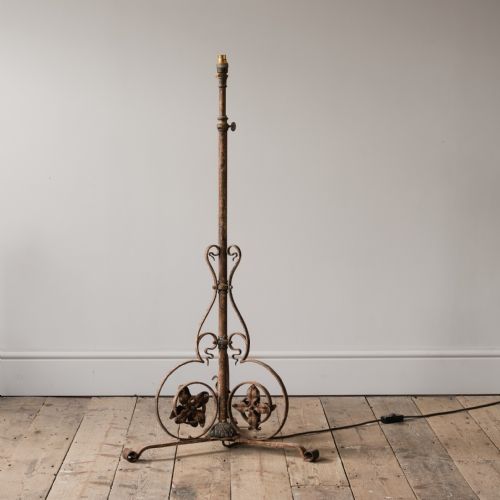
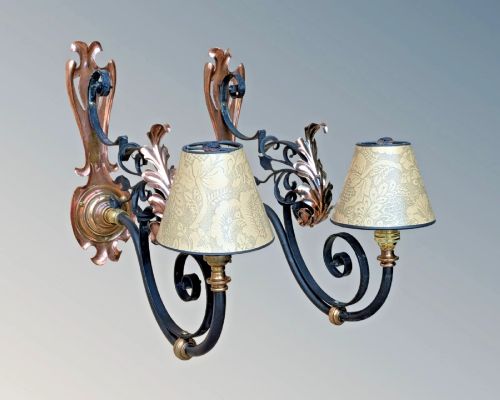
Floor lamps and standard lamps dominate the domestic offerings, frequently featuring adjustable arms and telescopic columns designed for functional utility. Wall lights and ceiling lanterns combine iron with copper or brass elements, showing the structural honesty valued by the movement.
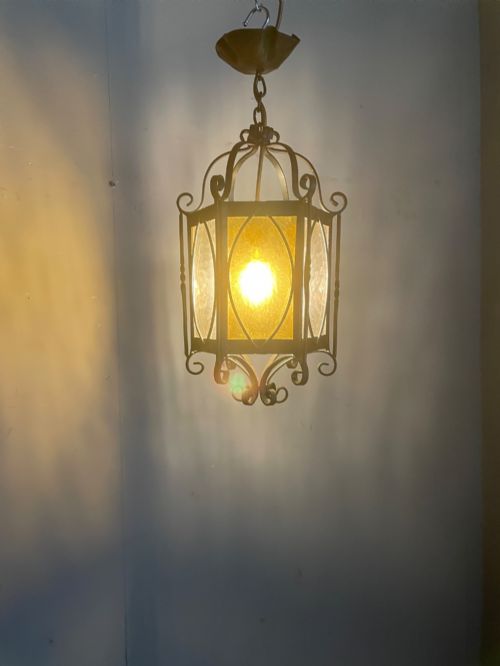
Origins stretch from British workshops to continental hubs, incorporating Amsterdam School and Gothic revival influences alongside standard Arts and Crafts designs. Hexagonal hall lanterns and multi-armed chandeliers provide substantial overhead lighting for period hallways and rooms.
Materials and construction
Blacksmiths shaped wrought iron and cast iron by hand, leaving hammer marks and visible joints as evidence of traditional labour. Rivets, twisted shafts and brackets hold the heavy metal frames together without concealing the method of construction.
Makers integrated contrasting metals like copper and brass into the iron frameworks, adding warmth to the heavy dark surfaces through riveted plates and candle cups. Glass panels, occasionally glazed or tinted, enclose the lantern bodies to shelter the light source.
Floor stands often incorporated solid oak bases or weighted iron feet to support tall adjustable stems designed for oil or electricity. Fabric shades and gilt metal details appear on specific standard lamps from the turn of the century.
Arts and Crafts Iron Light Retail Price Guide 2026
Typical asking prices for arts and crafts iron light among the pieces listed under this phrase on Sellingantiques today, from the lower quarter to the upper quarter. They describe what is for sale here now, not the wider market.
Listings feature wrought iron, brass, copper, and solid oak across Victorian, Arts and Crafts, and Amsterdam School periods.
Assessing craftsmanship and design
The distinction between standard utility items and finer pieces lies in the articulation of the blacksmith's hand, where purposeful shaping supersedes mechanical uniformity. Superior examples display balanced proportions in adjustable mechanisms and thoughtful integration of secondary metals.
The handling of junctions and fixings reveals the maker's competence, with high-quality fixtures utilising hand-hammered rivets and structural braces that double as decoration. Simpler production pieces rely on basic welded or bolted joints that lack the fluidity of bespoke workshop output.
Hugo Berger Goberg·Heals
The Arts and Crafts Iron Light Glossary
- Wrought iron
- Iron that has been heated and worked with tools by a blacksmith rather than cast in a mould. This material shows distinct surface textures from the hammer.
- Pricket candlestick
- A candlestick featuring a central spike upon which a candle is impaled, common in Gothic and ecclesiastical revival metalwork. These items often combine brass drip pans with iron stems.
- Hall lantern
- An enclosed hanging light fixture designed for entryways and corridors, frequently constructed with glazed panels. They protect the flame from drafts while distributing ambient illumination.
- Standard lamp
- A tall floor-standing lamp base designed to support an upper light fitting or oil reservoir. Many period versions include adjustable arms for directing illumination.
Arts and Crafts Iron Light: Frequently Asked Questions
How do I install an old iron light?
Older hanging fixtures and wall lights require professional rewiring and mounting to safely handle contemporary electrical loads in domestic ceilings and walls.
Qualified electricians can adapt internal brass fittings while preserving the original exterior wrought iron framework and chain suspensions.
How do I clean wrought iron?
Dust metal surfaces gently with a dry cloth and preserve the dark finish with a light application of microcrystalline wax to prevent oxidation.
Avoid harsh chemical cleaners that strip the historic patina accumulated on the iron and copper components over decades.
What is the Amsterdam School style?
The Amsterdam School movement emphasised expressive, organic forms in architecture and metalwork, producing sculptural pieces with heavy brackets and contrasting brass details.
Such designs sit closely alongside standard Arts and Crafts items while offering a more dramatic, expressionist silhouette.