

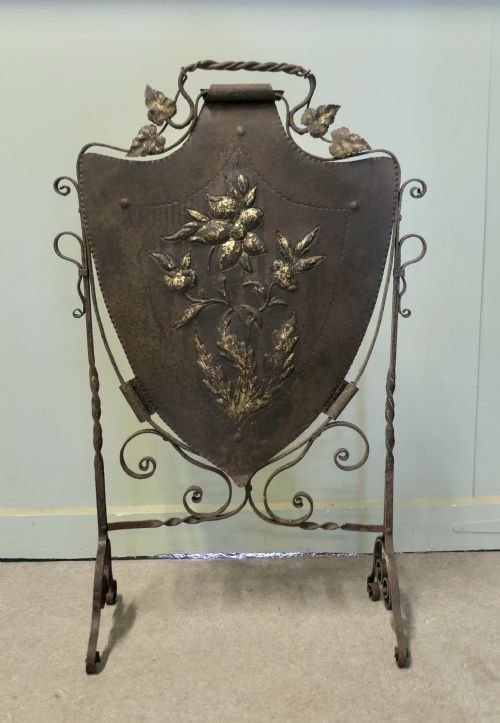
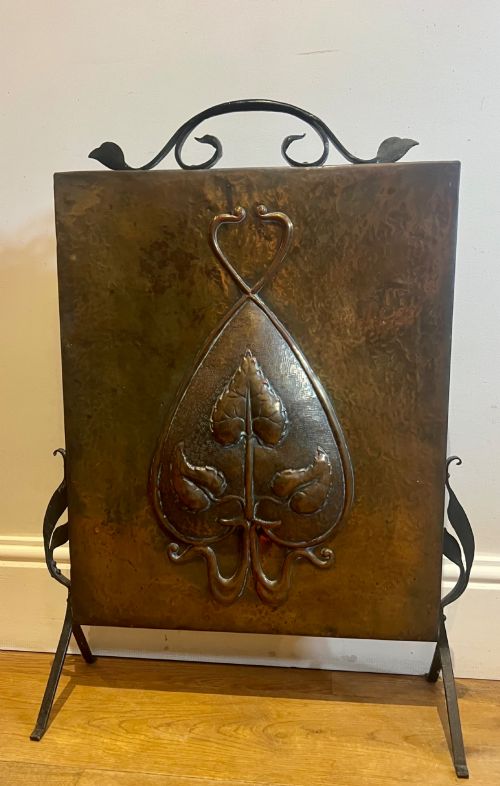


Arts and Crafts Hearth Screen
An arts and crafts hearth screen brings functional warmth and handcrafted design into a room, offering protection while defining the fireplace.
Arts and Crafts Hearth Screen
An arts and crafts hearth screen is a fireplace accessory designed to shield the room from radiant heat or contain sparks when the hearth is not in full use. When you search for this phrase, you encounter pieces that range from simple iron frames to elaborate hammered metal panels.
The versions you meet most frequently on this page date from the Victorian era up through the early twentieth century, spanning periods like the 1890s and 1900s. These pieces often incorporate styles such as Gothic Revival or Art Nouveau alongside traditional Arts and Crafts design principles.
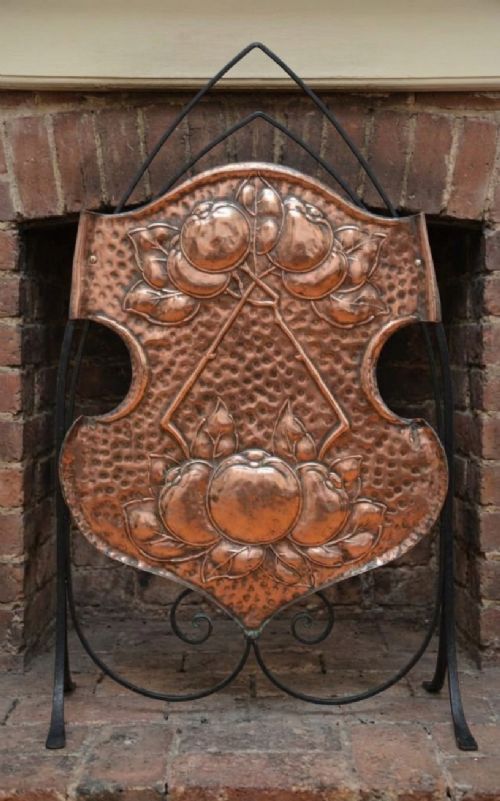
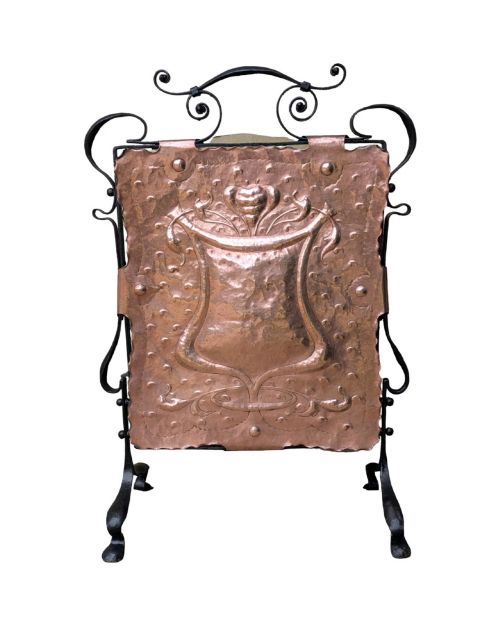
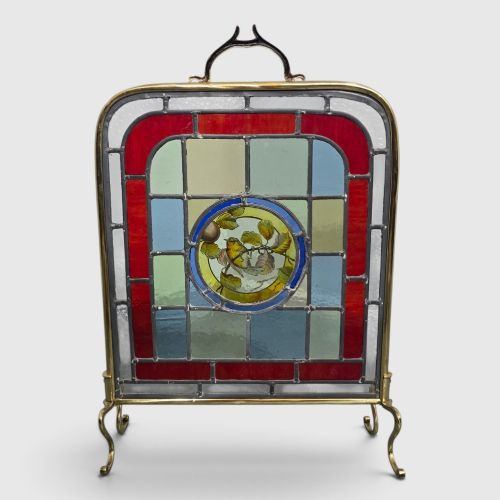
Makers produced these screens in various forms, including oak-framed copper panels, folding guards, and tall iron structures. Their primary purpose remained domestic utility, yet makers elevated them through decorative metalwork and inset stained glass or mirrors.
Materials and construction methods
Makers built these screens using durable metals like wrought iron, polished iron, brass, and copper, frequently combining them within a single piece. Oak frames appear alongside metal panels, providing structural support while contrasting with the reflective surfaces of copper and brass.
Techniques relied heavily on metalworking skills such as hand-hammering copper sheets and forging iron into structural frames and decorative motifs. Artisans also utilised lead to secure stained glass panels and integrated mirrors into the metal frameworks.
Arts and Crafts Hearth Screen Retail Price Guide 2026
Typical asking prices for arts and crafts hearth screen among the pieces listed under this phrase on Sellingantiques today, from the lower quarter to the upper quarter. They describe what is for sale here now, not the wider market.
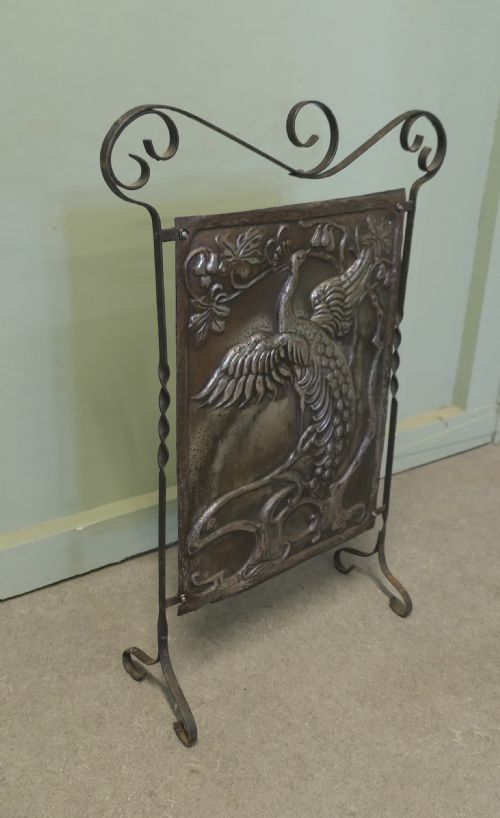
A proud iron peacock fans its metal tail across the hearth, keeping watch over the ashes.
Judging quality in metalwork and framing
Quality separates standard production from superior work through the intentional handling of materials and the complexity of the design. A well-executed piece displays careful hand-hammering on copper panels and secure, tidy joinery in the iron or oak framing.
Heavier gauges of metal and balanced proportions indicate better craftsmanship, whereas lighter constructions lack the same physical presence by the hearth. The integration of decorative elements like peacock motifs or Gothic shields demonstrates a higher level of artisan skill.
The Arts and Crafts Hearth Screen Glossary
- Wrought iron
- Iron that is heated and worked with tools by a blacksmith, yielding a fibrous structure and durable finish.
- Gothic Revival
- An architectural and decorative style drawing inspiration from medieval forms, visible in pointed arches and shield motifs.
- Art Nouveau
- A style characterised by flowing, organic lines and floral or asymmetrical patterns, frequently paired with copper work.
- Lead cording
- The flexible lead came used to hold pieces of stained glass together within a decorative panel.
Arts and Crafts Hearth Screen: Frequently Asked Questions
What is an arts and crafts hearth screen?
An arts and crafts hearth screen is a decorative and protective guard placed in front of a fireplace. It shields the room from stray sparks and blocks excessive heat when the fire dies down.
These pieces reflect the design ethos of the movement, prioritising visible craftsmanship, honest materials, and nature-inspired motifs. They serve as a focal point for the fireplace even when no fire burns.
How were these fire screens used?
Historically, households used fire screens to protect people sitting near the hearth from the intense glare and heat of open coal or wood fires. During warmer months, they served to conceal an empty or unlit fireplace.
Their sturdy iron or wooden frames allowed them to stand independently on the floor, while handles or folding sections made them easy to reposition around the room as needed.
How do I date an iron or copper screen?
Dating relies on observing the combination of materials, construction marks, and stylistic markers such as Gothic Revival or Art Nouveau influences. Pieces from the Victorian period and the turn of the century often exhibit hand-hammered surfaces and specific joint techniques.
Later pieces from the early twentieth century show subtle shifts in form and manufacturing methods, moving toward simpler lines while retaining traditional metalworking practices.
Can I use an antique screen with an active fire?
While these screens were built for functional use by the hearth, fragile elements like mirrored glass or delicate stained panels require caution around extreme heat. Assessing the specific construction helps determine whether a piece suits regular duty or functions best as a decorative room divider.