

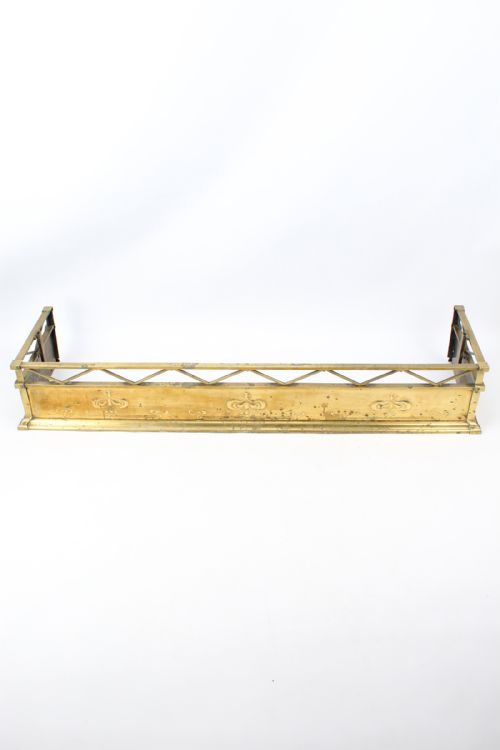


Arts and Crafts Hearth Guard
An arts and crafts hearth guard brings useful protection and honest metalwork to a fireside, keeping rooms safe while showing period design.
Arts and Crafts Hearth Guard
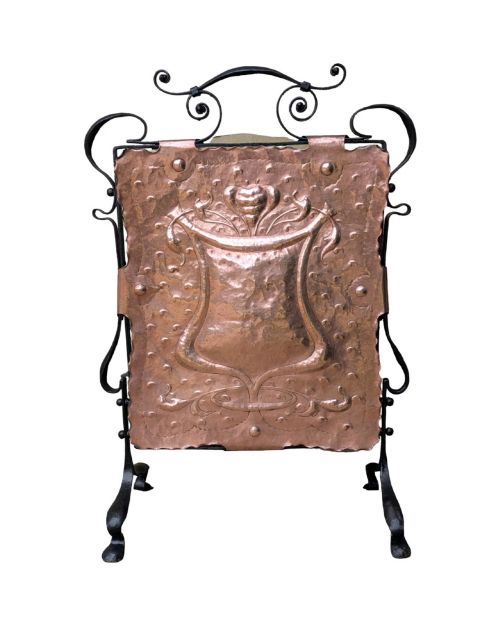
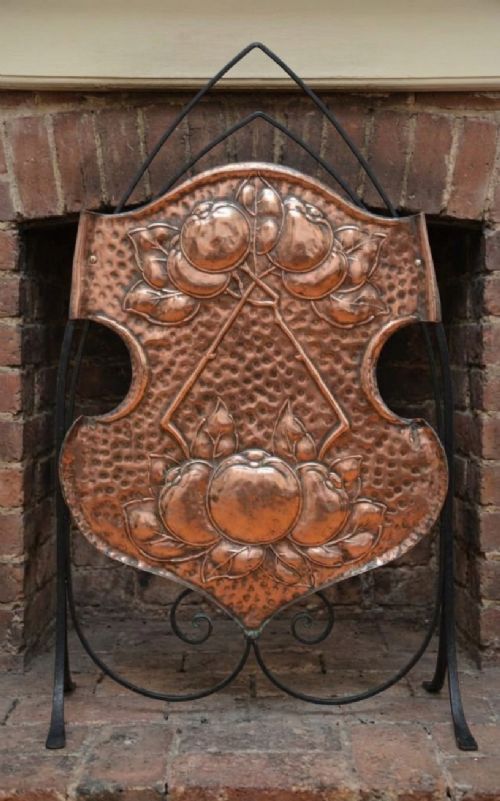
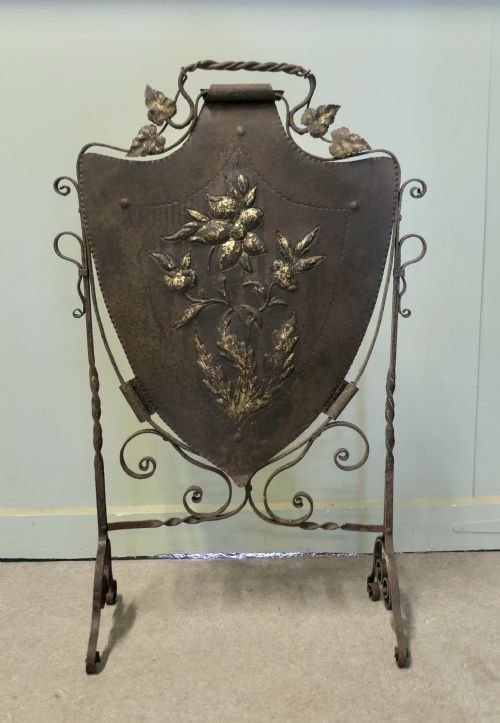
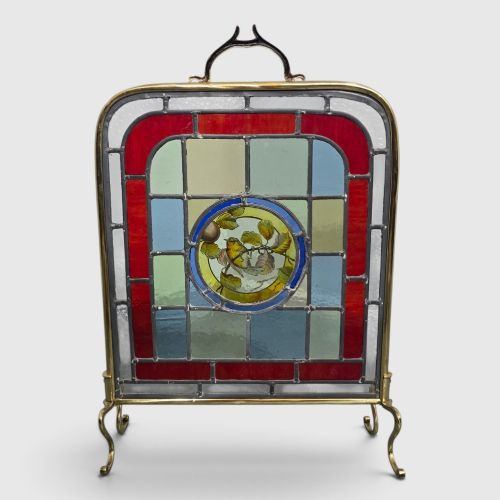
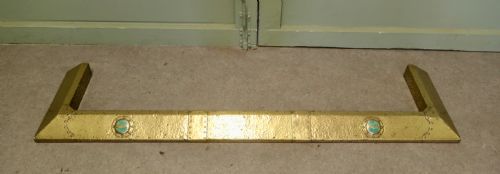
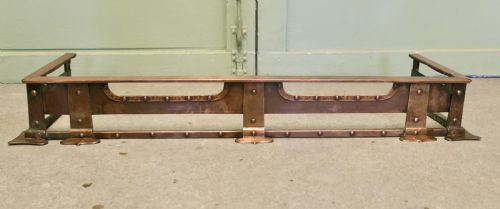
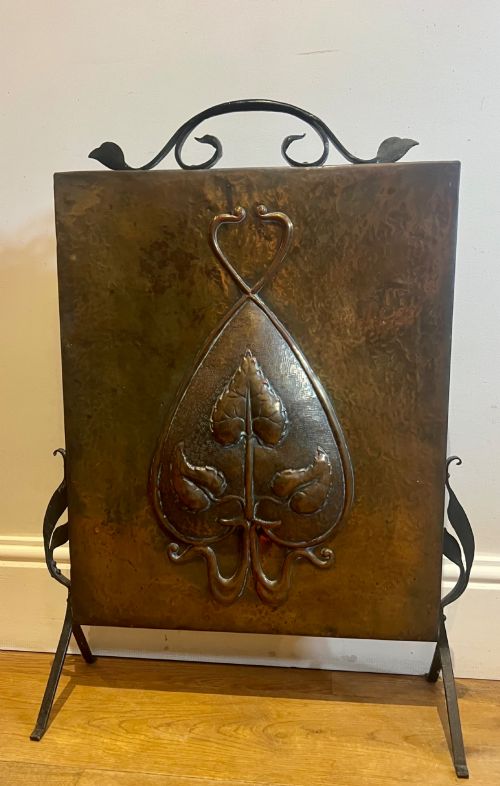
An arts and crafts hearth guard is typically a fire screen, fire fender, or fireside kerb designed to sit protectively around a fireplace. These household items guard the room from stray sparks while adding a deliberate decorative focus to the hearth.
The pieces appearing here span the Victorian era, the Edwardian period, and the early decades of the twentieth century, reflecting a time when functional ironwork and metal goods received artistic attention. Fire screens and low fenders form the core of what is available.
Makers working in the Arts and Crafts and Art Nouveau styles created these guards to be both practical and visually engaging, frequently employing robust construction methods that remain solid today.
How they were made
Copper and brass dominate the construction, often shaped into panels or frames that catch the firelight. Wrought iron and cast iron provide heavy, stable skeletons for screens and kerbs alike.
Decoration relies on hand-working techniques such as riveting and beating rather than factory stamping. Enamel cabochons, stained glass, and mirror glass appear as inset details within the metal frameworks.
Arts and Crafts Hearth Guard Retail Price Guide 2026
Typical asking prices for arts and crafts hearth guard among the pieces listed under this phrase on Sellingantiques today, from the lower quarter to the upper quarter. They describe what is for sale here now, not the wider market.
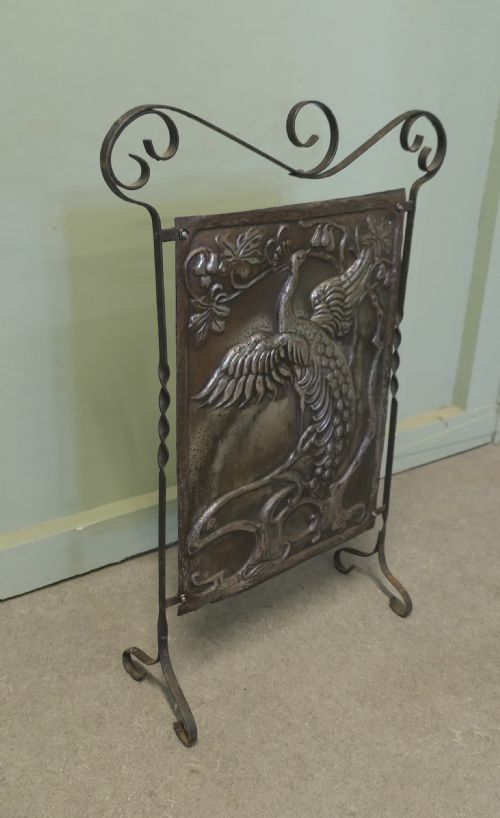
Several guards proudly display a peacock design, ensuring a decorative bird watches over the hearth even when the fire is out.
What varies in quality
The distinction between standard utility items and finer examples lies in the weight of the metal and the individuality of the hand-beaten surface work. Riveted copper panels and custom ironwork show a higher degree of artisan effort than simpler cast frames.
The integration of decorative details such as green enamel cabochons, peacock motifs, or leaded glass alters the visual character of a piece. Heavier gauges of brass and copper ensure the guard stands firmly on the hearth without buckling under everyday heat.
The Arts and Crafts Hearth Guard Glossary
- Fire fender
- A low metal or wooden barrier that sits on the floor around the hearth. It keeps coal and embers contained within the fireplace opening.
- Fireside kerb
- A low enclosing frame, often made of copper or brass, that demarcates the hearth area. It performs the same role as a fender.
- Enamel cabochon
- A smooth, rounded piece of fused vitreous enamel set into metalwork as a decorative jewel. They provide points of colour on copper and brass frames.
- Riveted
- Joined together using metal pins hammered flat at the ends. This technique is visible on brutalist copper fenders and structural ironwork.
Arts and Crafts Hearth Guard: Frequently Asked Questions
What is the difference between a fire screen and a fender?
A fire screen stands upright on legs to block heat or conceal an unused grate. A fender sits flat on the floor around the hearth to keep embers contained.
Screens protect the room from sparks while seated nearby, whereas fenders create a low perimeter barrier on the floorboards.
How do I clean a copper hearth guard?
Dust the metal gently with a dry cloth to remove surface soot and debris. Avoid harsh chemical cleaners that strip the historic surface character.
Leaving a natural patina intact preserves the age and appearance of Victorian and Edwardian copper work.
Are these guards suitable for daily use?
Most pieces are solidly constructed from heavy brass, copper, and iron designed for active fireplaces. Their robust frames handle the heat and movement of a working hearth.
Checking the stability of the feet and frame ensures the guard remains secure during everyday fireside duties.
How can I tell a Victorian guard from an Edwardian one?
Victorian pieces often lean towards heavier Gothic Revival forms or richly detailed brass and ironwork. Edwardian examples tend to feature lighter proportions and flowing Art Nouveau curves.
Material choices like hammered copper and limed oak bridge both eras, showing subtle shifts in workshop design.