



Arts and Crafts Fixture
These arts and crafts fixture designs bring honest metalwork and warm glass into a room, offering the sturdy utility that collectors seek.
Arts and Crafts Fixture
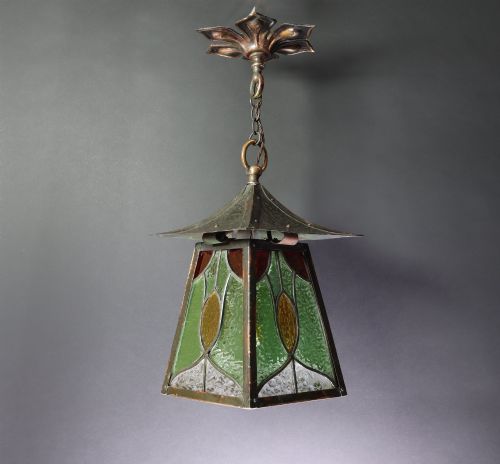
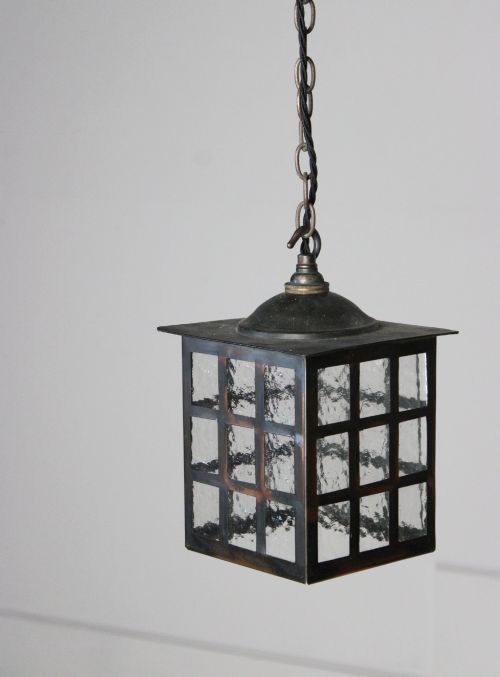
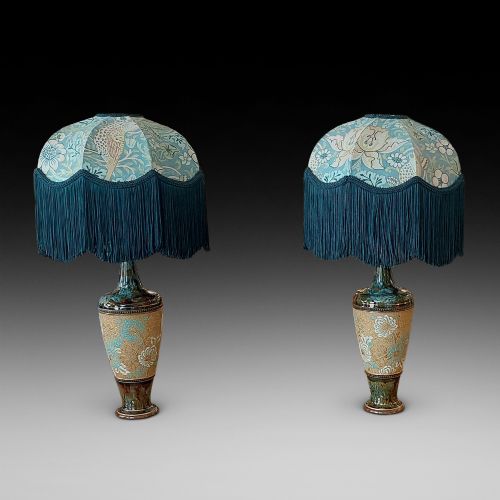
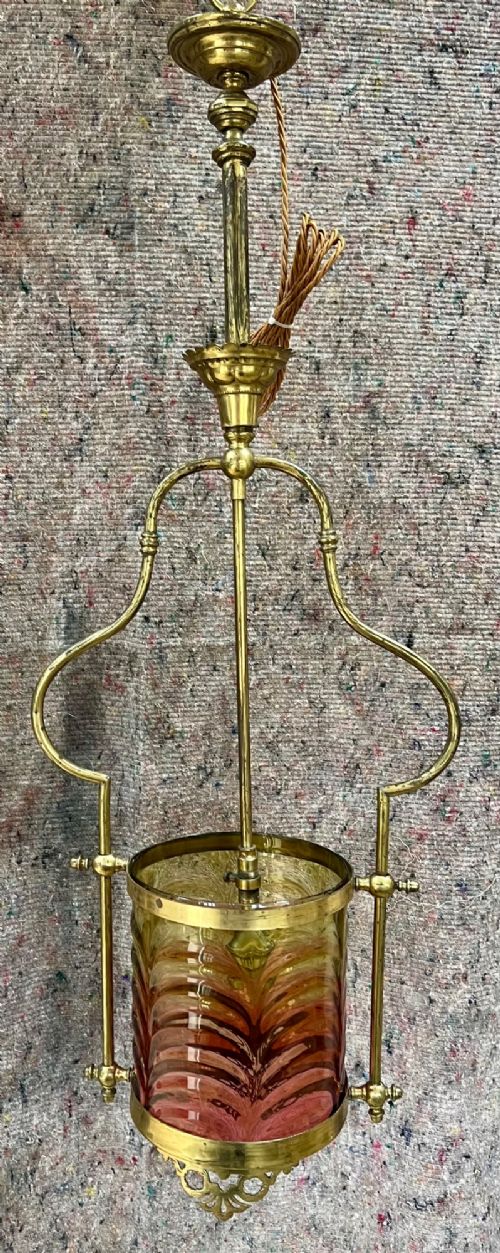
An arts and crafts fixture encompasses ceiling lights, wall lamps, and hall lanterns shaped by utilitarian design principles from the late nineteenth and early twentieth centuries. You will most frequently encounter brass, copper, and wrought iron forms paired with leaded glass or fabric shades from the Edwardian era and 1900 period.
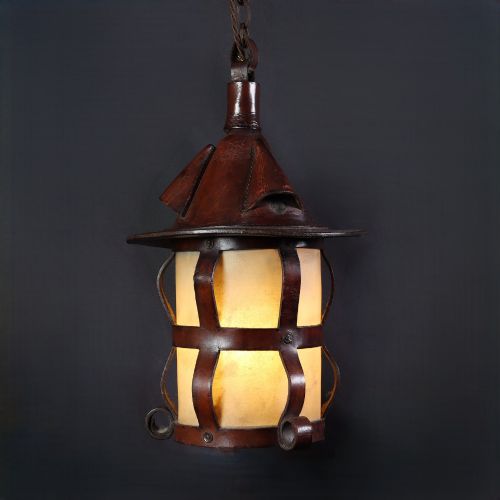
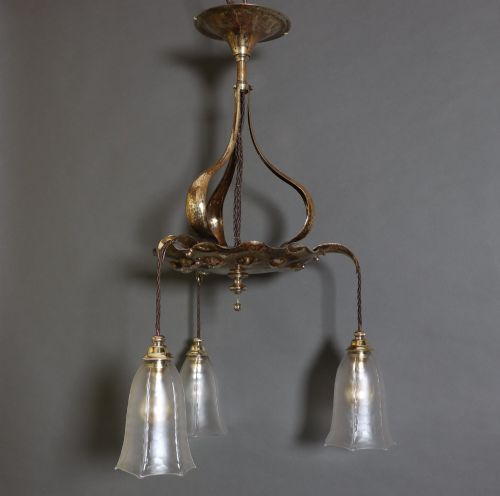
The objects span practical hall lanterns, multi-armed chandeliers, and carriage style wall lights intended for domestic illumination. Many pieces reflect regional influences such as Amsterdam School copperwork or French Gothic revival interpretations.
Makers utilised durable metals and straightforward construction methods, ensuring each hanging lamp or table lamp served a clear architectural purpose. The resulting variety ranges from small porch lanterns to large bowl chandeliers.
Quality factors in metalwork and glass
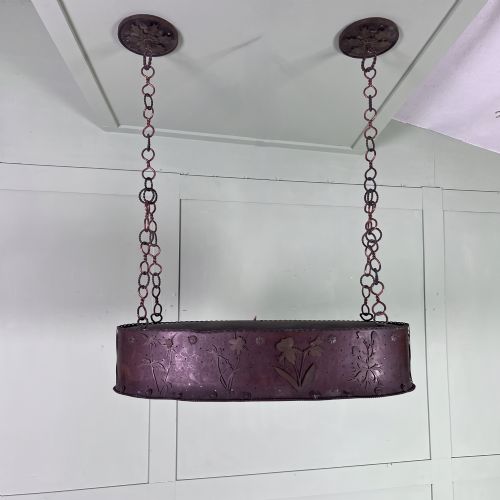
The distinction between standard production and superior work lies in the depth of hand-finishing applied to the copper and brass components. Heavier gauge metals and intricate hand-chased details elevate the execution of a wall light or pendant.
The integration of glass components also dictates the caliber of the piece, particularly where leaded stained glass or opalescent crystal bowls are custom fitted. Structural integrity in the blacksmith-made ironwork ensures the fixture supports its own weight securely.
Arts and Crafts Fixture Retail Price Guide 2026
Typical asking prices for arts and crafts fixture among the pieces listed under this phrase on Sellingantiques today, from the lower quarter to the upper quarter. They describe what is for sale here now, not the wider market.
The listings on this site span the 1880s through the 1930s, featuring brass, copper, wrought iron, and leaded glass.
Royal Doulton·Benson
The Arts and Crafts Fixture Glossary
- Pendant light
- A hanging luminaire suspended from the ceiling by a chain, cord, or metal rod. These fixtures direct illumination downward into hallways and living spaces.
- Wrought iron
- Iron that has been heated and hammered by a blacksmith into shape. This material provides sturdy support for heavy glass lanterns and wall brackets.
- Vaseline glass
- Glass containing uranium dioxide that glows under ultraviolet light, commonly produced in pale yellow or green shades. It appears in period oil lamp shades.
- Opalescent glass
- Milky glass that diffuses light softly and displays milky blue or amber tones. It creates a warm glow within bowl pendants and shades.
- Hand chased
- Metal decorated by hammering tools from the front to sink the design into the surface. This technique adds texture and pattern to copper lamps.
Arts and Crafts Fixture: Frequently Asked Questions
How do I hang a heavy hall lantern?
Hanging a heavy lantern requires securing the mounting bracket directly into ceiling joists or wall studs rather than relying solely on plaster. Professional installation ensures the combined weight of the metal frame and glass panels is supported safely.
Once anchored, adjust the suspension chain to the desired height for the entryway or hallway. Ensure the electrical wiring matches the power load required by the bulb socket.
How do I clean historic copper and brass?
Clean metal surfaces gently with a soft dry cloth to remove dust without disturbing the natural oxidation or patina built up over decades. Avoid harsh chemical polishes that strip away the aged character characteristic of these pieces.
Glass shades can be removed carefully and washed in warm soapy water, then dried thoroughly before reassembly. Handle leaded glass panels with care to avoid stressing the solder joints.
What rooms suit a copper wall light?
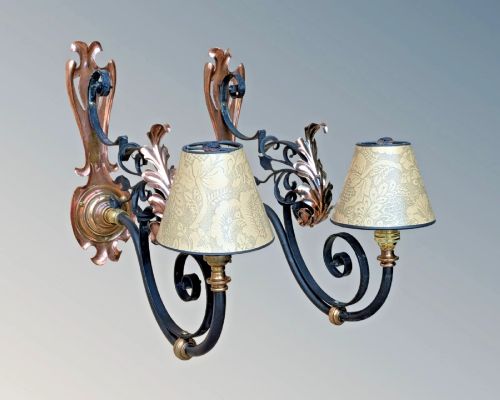
Copper wall lights complement hallways, entrances, and reception rooms where durable materials and warm metallic tones add architectural character. Their projected arms cast focused illumination along stairwells and wood-paneled walls.
Pairing these wall fixtures with complementary ceiling lanterns creates a cohesive lighting scheme throughout period interiors. The hammered metal surfaces harmonize well with natural wood and stone finishes.