




Arts and Crafts Fireplace Curb
These arts and crafts fireplace curb pieces bring solid metalwork and period character to a hearth.
Arts and Crafts Fireplace Curb
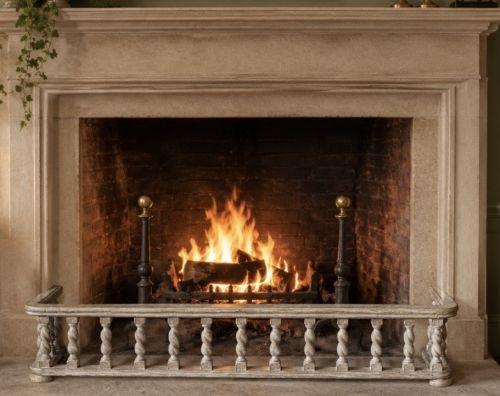
An arts and crafts fireplace curb sits on the hearth to frame the fire and protect the floor from stray embers. Buyers seeking this style find solid metal surrounds shaped to fit domestic grates from past eras.
The versions most commonly met on this page span the late nineteenth century into the Edwardian period, often incorporating Victorian elements. These metal hearth accessories range from simple riveted frames to detailed decorative surrounds.
Makers produced these fireplace curbs in forms that cross over with broader Art Nouveau designs. The physical evidence shows copper and brass as the primary materials shaping these hearth furnishings.
Materials and construction methods
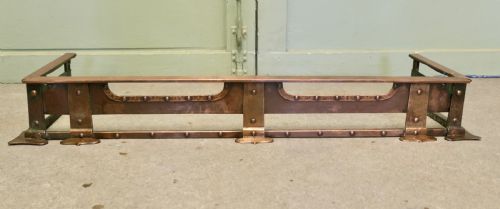
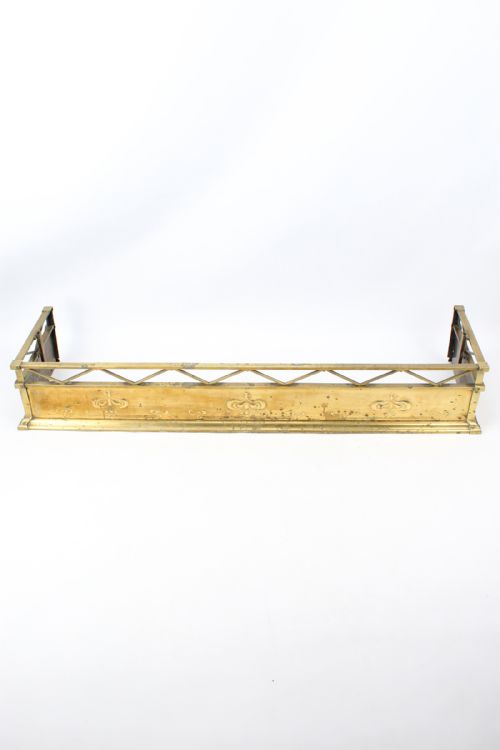
Makers fashioned these fireplace curbs primarily from heavy sheet copper and brass, sometimes combining both metals within a single surround. Iron also appears in the structural framework of certain hearth pieces.
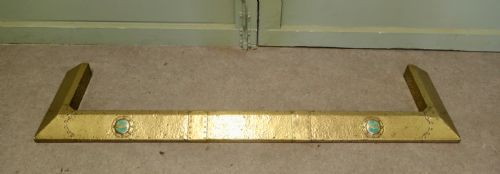
Craftsmen utilised hand-beating techniques to texture the metal surfaces, creating visible hammer marks characteristic of the period. Rivets and cabochons, including green enamel inserts, were applied directly to the metal frames.
Arts and Crafts Fireplace Curb Retail Price Guide 2026
Typical asking prices for arts and crafts fireplace curb among the pieces listed under this phrase on Sellingantiques today, from the lower quarter to the upper quarter. They describe what is for sale here now, not the wider market.
The listings here span the Victorian and Edwardian eras, with pieces dated to 1890, 1900, and the nineteenth century.
Assessing quality in metal hearth curbs
Quality rests in the substance of the metal gauge and the precision of the hand-working. Thicker copper and brass plates hold their structural integrity better and resist heat distortion over decades of use.
The treatment of decorative details separates standard production from finer work. Smoothly set enamel cabochons and cleanly hammered surfaces indicate superior attention during manufacture.
The Arts and Crafts Fireplace Curb Glossary
- Fender
- A low metal guard placed around a fireplace hearth to keep coals from rolling onto the floor. It forms the main category for these metal surrounds.
- Cabochon
- A polished gemstone or enamel insert shaped with a convex surface rather than faceted. These decorative elements frequently accent copper and brass frames.
- Kerb
- An alternative spelling often used for a fireplace surround or fender. It describes the physical barrier sitting at the base of the grate.
- Art Nouveau
- A style movement characterised by flowing lines and organic motifs that heavily influences many pieces in this category. It appears alongside standard movement designs.
Arts and Crafts Fireplace Curb: Frequently Asked Questions
What is an arts and crafts fireplace curb?
An arts and crafts fireplace curb is a metal hearth accessory designed to contain ashes and frame an open fireplace. These metal surrounds protect the floor while adding decorative character to a room.
Such pieces typically date from the late nineteenth and early twentieth centuries. They reflect the hand-worked aesthetic typical of the movement through beaten surfaces and riveted construction.
How do I choose the correct size?
Selecting the right size requires measuring the width and depth of your fireplace opening and hearth space. A proper fit ensures the metal guard sits securely without obstructing the fire.
Take measurements before browsing to match available dimensions. Keep in mind that older hearths varied in proportion compared to modern fireplace installations.
Are these curbs made of solid copper?
Many examples utilise solid copper sheets formed over an internal iron or metal framework. This construction provides the necessary weight and stability for a hearth accessory.
Brass and mixed metals also feature prominently in the material makeup. Craftsmen often paired copper bodies with brass trim to create contrasting visual details.
How do I clean a brass or copper fender?
Cleaning depends on whether you wish to maintain an aged patina or restore a brighter metallic finish. Gentle dusting and mild soapy water remove surface soot and household grime.
Avoid harsh abrasive compounds that can strip historic finishes from the metal. Careful maintenance preserves the original character of the beaten surfaces.