



Arts and Crafts Fire Guard
These arts and crafts fire guard pieces bring practical hearth protection with distinctive period metalwork.
Arts and Crafts Fire Guard
When you search for arts and crafts fire guard, you are looking at hearth furniture designed to shield a room from flying embers while displaying period craftsmanship. The selection spans Victorian, Edwardian, and early twentieth century examples, ranging across the 1880s, 1890s, 1900s, 1910s, 1920s, and 1930s.
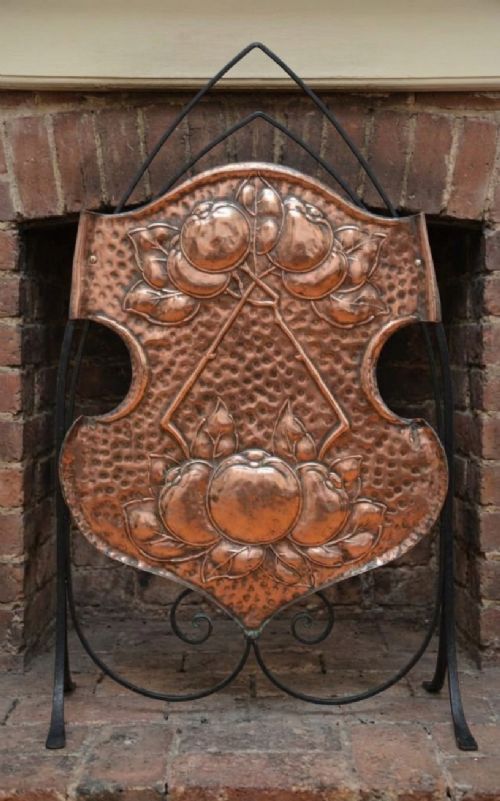
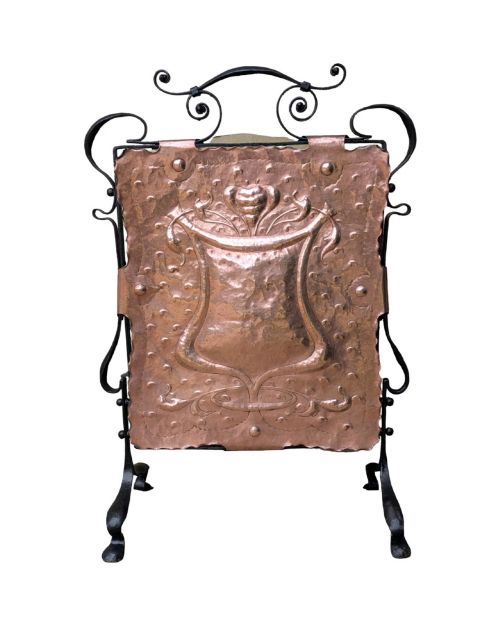
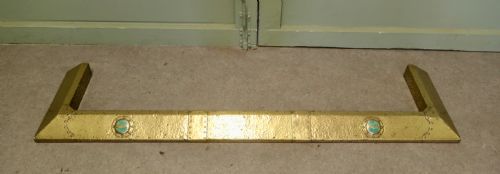
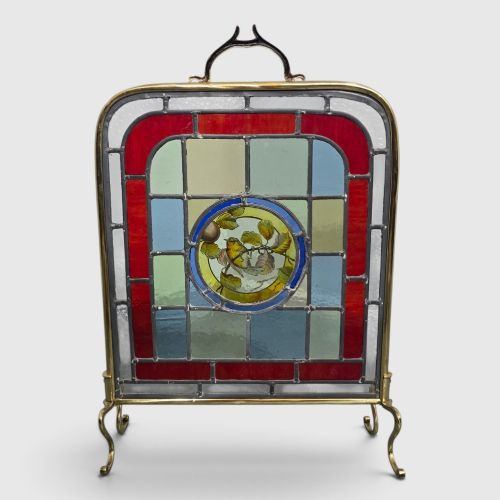
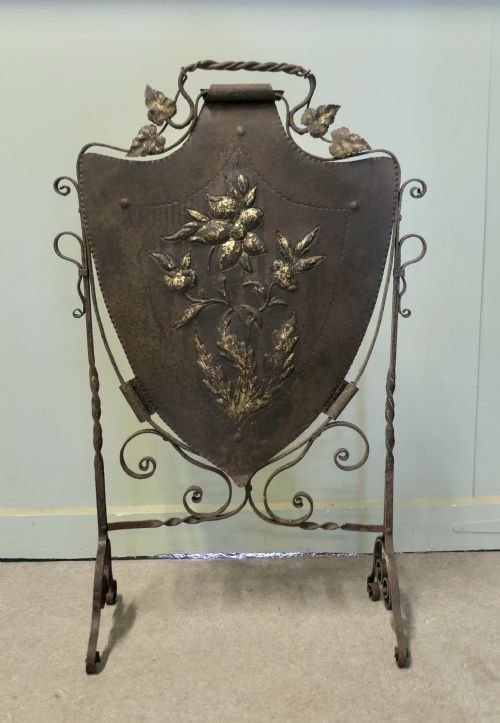
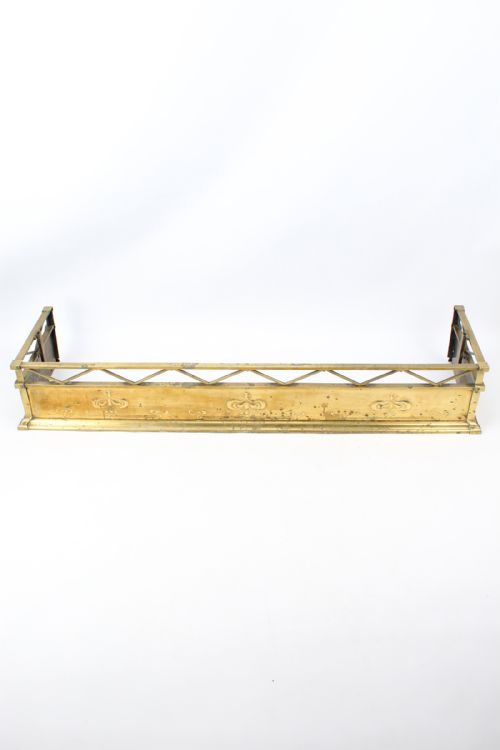
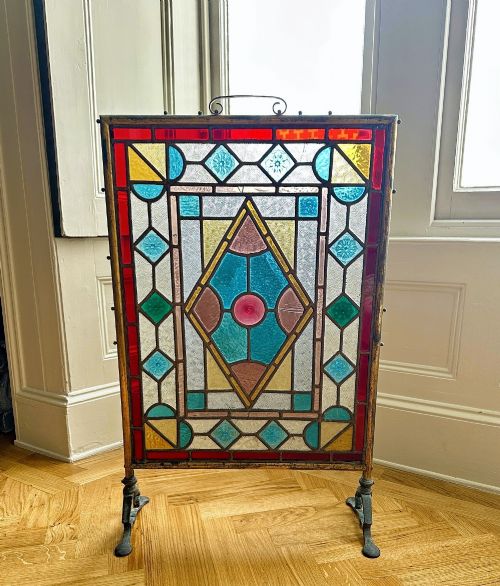
You will most commonly meet freestanding fire screens and heavy fireplace fenders constructed from copper and iron. Many pieces incorporate brass elements, green enamel cabochons, stained glass panels, and mirror inserts.
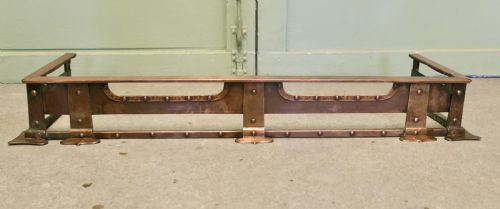
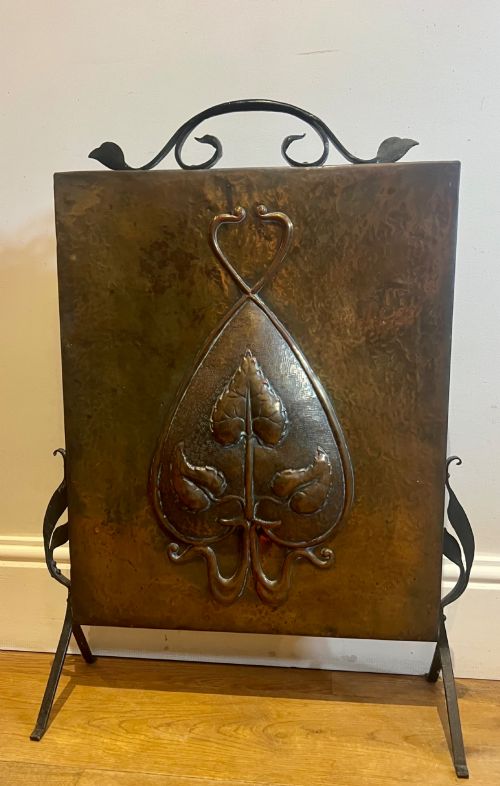
The forms shift from folding iron guards and paneled copper screens to wide fireplace surrounds and kerbs. Styles lean heavily into Arts and Crafts and Art Nouveau designs, with occasional Gothic Revival and Jacobean Revival notes.
How they were made
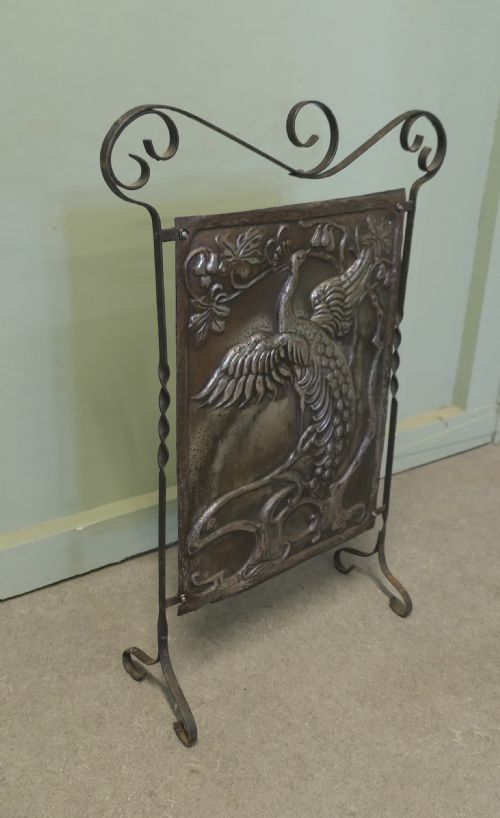
Makers shaped sheet copper and wrought iron into structural panels and supportive stands, often employing visible rivets for a robust finish. Panels frequently feature beaten metalwork, repoussé decoration, or integrated stained glass.
Cast and polished brass components provide framing and decorative accents, sometimes complemented by coloured enamel cabochons. Oak frameworks appear in specific fender designs, adding timber structure to the metal hearth furniture.
Arts and Crafts Fire Guard Retail Price Guide 2026
Typical asking prices for arts and crafts fire guard among the pieces listed under this phrase on Sellingantiques today, from the lower quarter to the upper quarter. They describe what is for sale here now, not the wider market.
Some firescreens feature integrated mirrors, presumably so Victorians could check their hair while stoking the coals.
What varies in quality
The distinction between standard utility items and finer pieces lies in the complexity of the metalwork and the integration of decorative details. Hand-beaten copper panels with thoughtful motifs or peacock designs display superior workshop effort compared to plain surfaces.
Material combinations elevate the construction, particularly where stained glass, mirror glass, or enameled cabochons are securely mounted within sturdy iron or brass frameworks. The weight and rigidity of the supporting stand or fender frame also indicate the original build standard.
The Arts and Crafts Fire Guard Glossary
- Firescreen
- A portable panel placed before a fireplace to block radiant heat when the fire dies down or to hide an unlit grate. They usually stand on supportive feet or an iron frame.
- Fender
- A low metal or wooden guard placed on the hearth around the perimeter of a fireplace to contain ash and rolling logs. They often match the surrounding fire accessories.
- Repoussé
- A metalworking technique where the metal is hammered from the reverse side to form a raised design in relief. This method defines many decorative copper panels.
- Cabochon
- A gemstone or piece of glass shaped and polished brightly rather than faceted. Green enamel versions appear on brass fenders for colour contrast.
- Kerb
- An alternative term for a fireplace fender, marking the boundary between the hearth and the room flooring.
Arts and Crafts Fire Guard: Frequently Asked Questions
How do I choose between a screen and a fender?
Screens stand upright to block heat and cover the fireplace opening when not in use.
Fenders sit flat on the hearth around the base of the fireplace to contain ash and protect the floor.
Where were these pieces made?
Many of these items originated in British workshops during the late Victorian and Edwardian eras.
Regional variations include styles associated with specific guilds and centres of metalworking production.
How do I clean copper fire guards?
Copper components benefit from gentle dusting and occasional cleaning appropriate for vintage metalwork.
Avoid harsh abrasives that might damage patination or decorative surface treatments.