




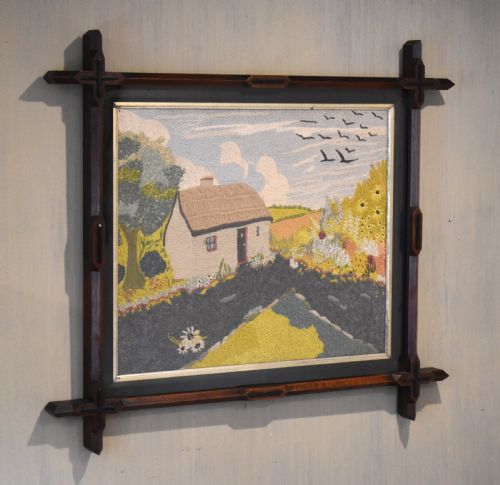


Arts and Crafts Decor
These arts and crafts decor pieces bring honest materials and handcrafted character into a room.
Arts and Crafts Decor
When you search for arts and crafts decor, you enter a world of honest craftsmanship that rejected mass production in favour of hand-wrought integrity. The movement valued utility combined with artistic expression, producing objects that remain both functional and visually engaging.
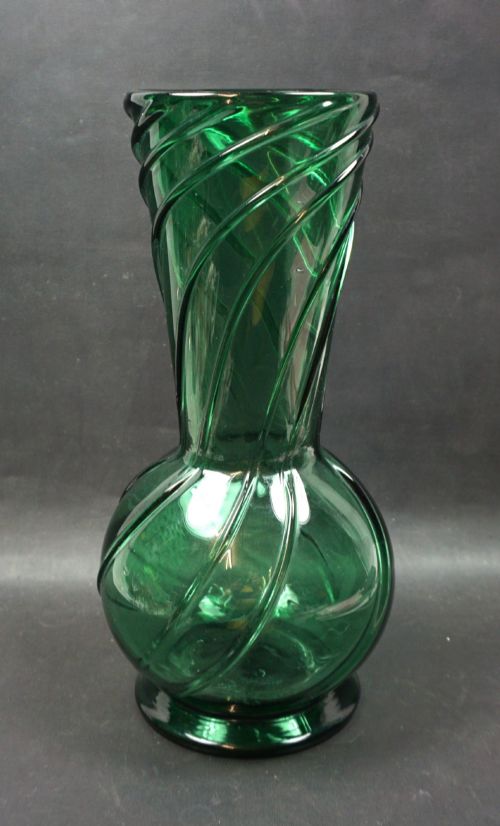
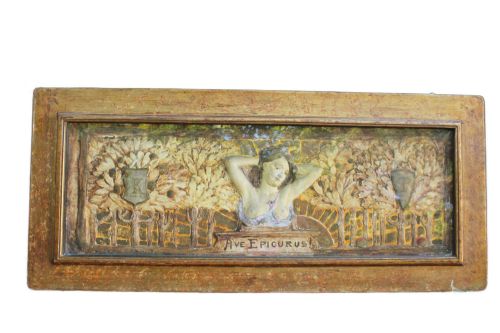
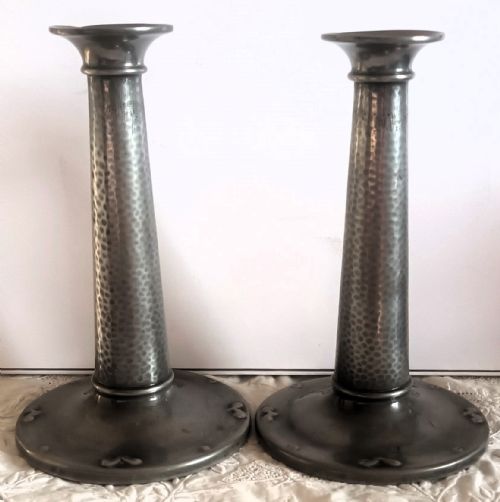
On this page, you are most likely to meet metalwork and ceramics alongside decorative reliefs and leatherwork. Candlesticks, vases and wall plaques form the backbone of the selection, reflecting the domestic focus of the period.
The pieces span from the late nineteenth century through the Edwardian era and into the early twentieth century. Styles encompass standard Arts and Crafts alongside Celtic Revival, Maritime Folk Art and occasional crossover into Art Deco and Late Victorian aesthetics.
Materials and construction
Wood, metal and plaster dominate the construction of these items, often utilising traditional joinery and casting methods. Pewter, brass and copper provide the metallic lustre characteristic of the movement, frequently enhanced with enamel or turquoise relief work.
Organic mediums such as leather, gesso and textiles appear in sculptural models and needlework pictures. These diverse materials were chosen for their tactile qualities rather than simply their cost, allowing makers to demonstrate direct engagement with their medium.
Arts and Crafts Decor Retail Price Guide 2026
Typical asking prices for arts and crafts decor among the pieces listed under this phrase on Sellingantiques today, from the lower quarter to the upper quarter. They describe what is for sale here now, not the wider market.
Even horses needed proper attire in the movement, as evidenced by the life-size leather models trotting through the records.
Judging quality
Quality rests upon the skill of the hand in shaping the material, whether in the crispness of a plaster relief or the confident hammering of pewter. Pieces designed by notable figures or produced by established outlets display a distinct sureness of line and proportion.
The integration of decorative elements, such as enamel cabochons set into metalwork or hand-painted details on stoneware, separates standard production from superior examples. Preservation of the original surface finish dictates the enduring appeal of each object.
Sherwin & Cotton·Archibald Knox for Liberty & Co·Reginald Robert Tomlinson·Royal Doulton Lambeth
The Arts and Crafts Decor Glossary
- Pewter
- A malleable metal alloy of tin mixed with copper and antimony. It was widely utilised by Arts and Crafts metalworkers for its soft, silvery grey lustre.
- Tudric
- The trade name used by Liberty & Co. for their range of pewter ware produced during the early twentieth century. Many of these pieces were designed by Archibald Knox.
- Gesso
- A plaster mixture used as a base for moulding or painting on relief plaques and wall art. It allows for fine detail before being painted or gilded.
- Stoneware
- A sturdy type of pottery fired at high temperatures until vitrified. It forms a dense, impermeable body that readily accepts glazes and enamel decoration.
Arts and Crafts Decor: Frequently Asked Questions
What is arts and crafts decor?
Arts and crafts decor encompasses domestic objects made during the late nineteenth and early twentieth centuries that emphasise hand-craftsmanship and natural materials. The movement arose as a reaction against industrial manufacturing.
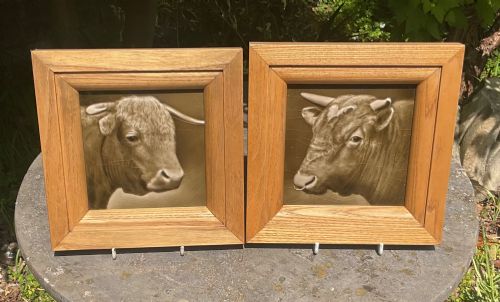
Items range from metal candlesticks and copper boxes to ceramic tiles and leather sculptures. Each piece reflects a philosophy where utility and artistic design are intimately linked.
How do I identify a period piece?
Dating these items relies on recognising period materials, construction techniques and stylistic motifs such as Celtic Revival interlace or stylized floral patterns. Maker marks and stamps on metalwork or pottery also help confirm the era of production.
Examine the construction methods for signs of hand-working rather than modern factory fabrication. Comparing known designs from the late Victorian and Edwardian periods provides further context.
Where should I place these items?
These pieces suit rooms that benefit from warm metal tones, textured plaster reliefs or rich leather and wood accents. Their domestic origins mean they integrate naturally into living spaces, studies and hallways.
Pairing pewter candlesticks with wooden furniture or displaying ceramic tiles and wall art creates focal points that anchor a traditional or eclectic interior.
How do I care for pewter and copper?
Pewter and copper require gentle cleaning with a soft cloth to preserve their natural patina rather than aggressive polishing that removes historical surface character. Avoid harsh chemical cleaners that can damage enamel inlays or patinated finishes.
Keep metal objects away from excessive moisture and direct heat sources to maintain the stability of the material over time.