

Arts and Crafts Brass and Copper
These arts and crafts brass and copper pieces bring tactile warmth and hand-wrought integrity to domestic spaces through enduring metalwork.
Arts and Crafts Brass and Copper
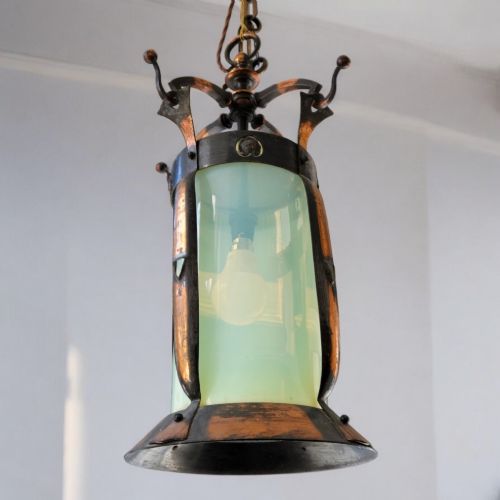
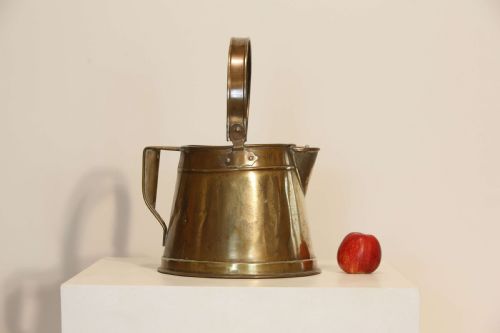
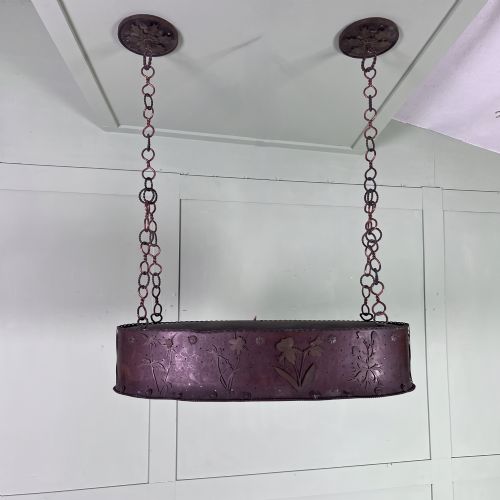
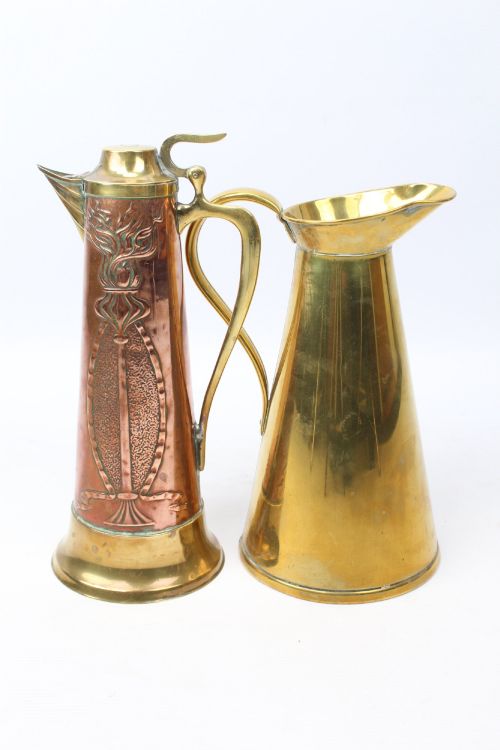
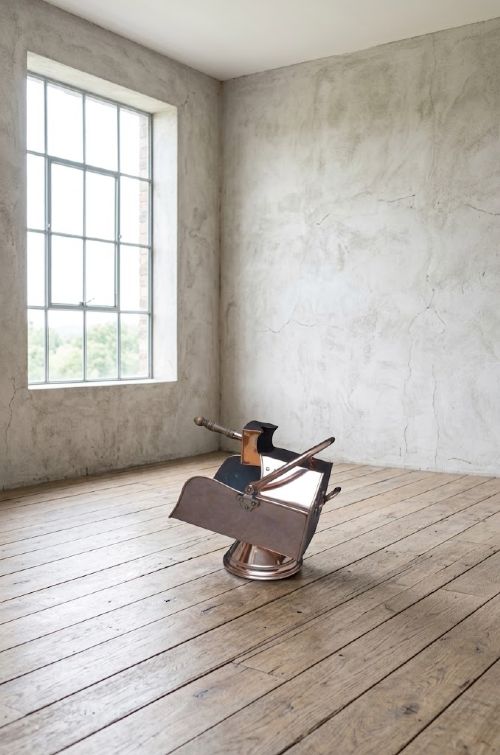
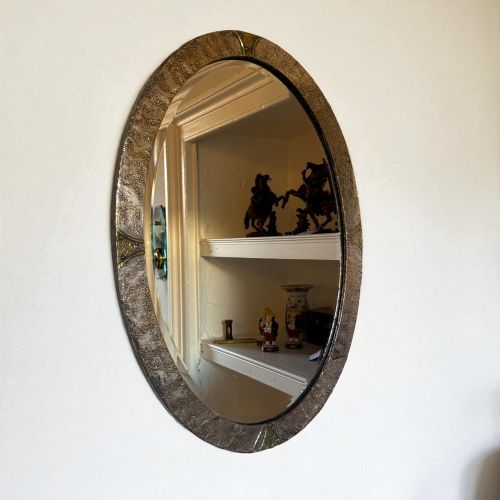
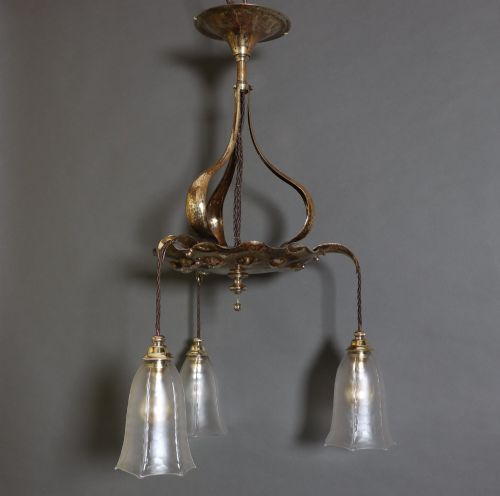
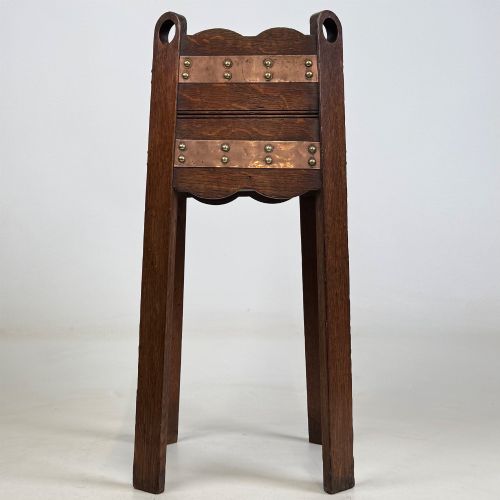
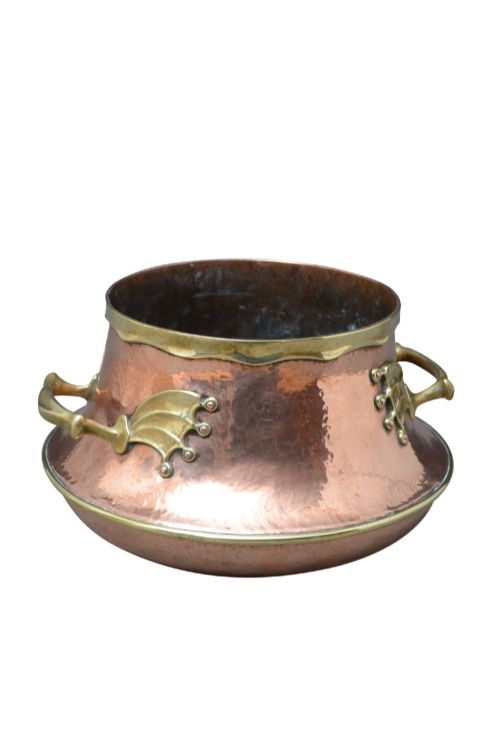
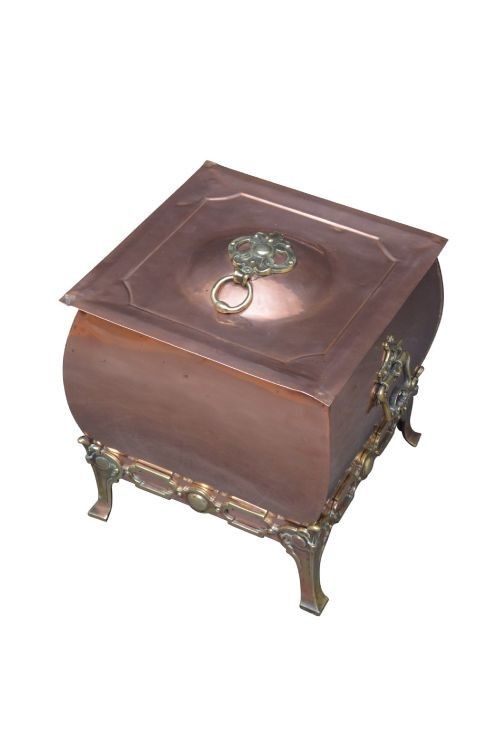
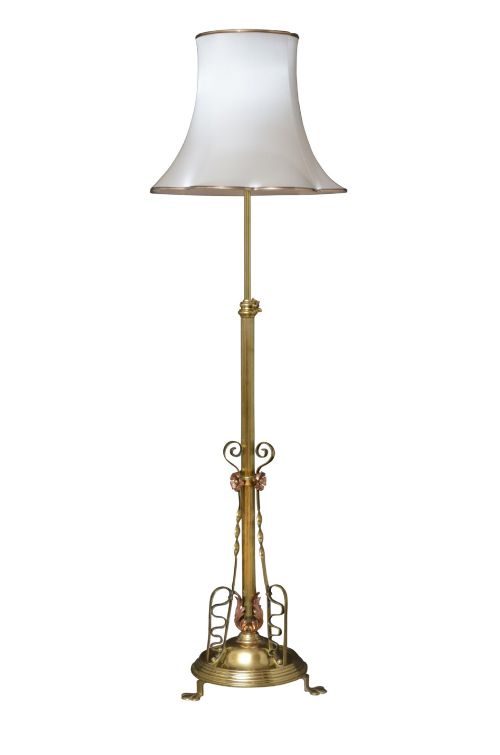
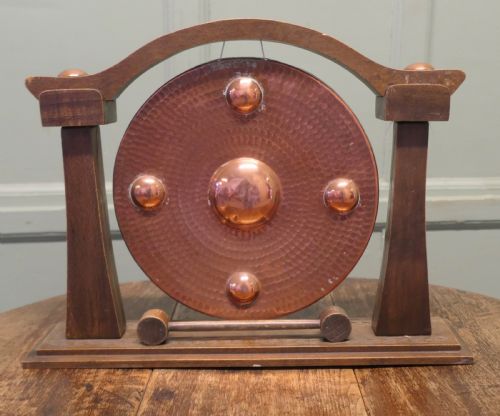
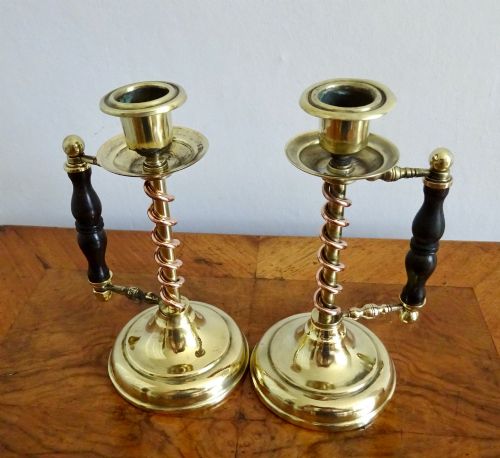
When searching for arts and crafts brass and copper, buyers encounter functional domestic objects shaped by the shift away from industrial mass production towards studio craftsmanship. The forms appearing most frequently on this page range from utilitarian coal scuttles and umbrella stands to decorative mirrors, candlesticks, and lighting.
Makers of this period prioritised utility combined with visible craftsmanship, producing floor lamps, wall lights, and table accessories that brought mixed metals into everyday interiors. These pieces rely on the visual contrast between warm copper surfaces and bright brass fittings, often accented with hammered textures or repoussé decoration.
Methods and Materials
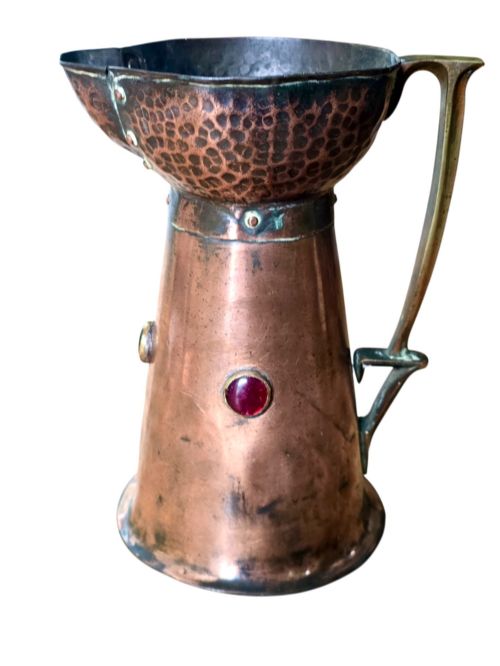
The material palette centres on sheet copper and cast or spun brass, frequently combined with iron, wood, and bevelled glass. Artisans shaped these metals using hand-hammering and beating techniques that left deliberate tool marks across the surfaces, recording the physical process of creation.
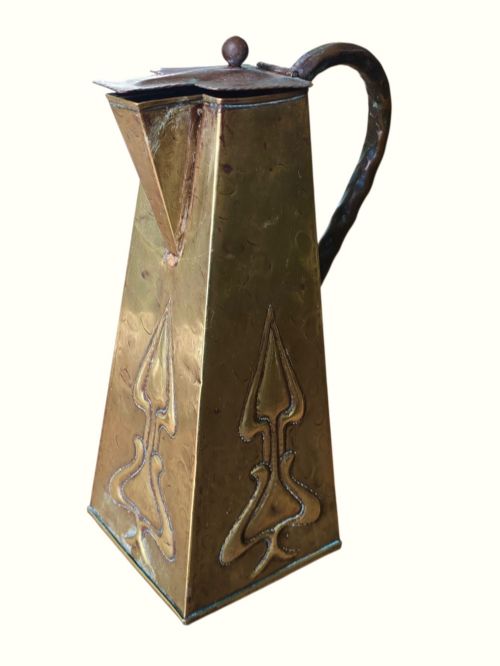
Decoration relied on surface manipulation such as repoussé embossing and hand-chased motifs rather than applied ornamentation. Structural integrity came from visible riveting and wrought iron framing, joining the components together in a straightforward manner.
Arts and Crafts Brass and Copper Retail Price Guide 2026
Typical asking prices for arts and crafts brass and copper among the pieces listed under this phrase on Sellingantiques today, from the lower quarter to the upper quarter. They describe what is for sale here now, not the wider market.
A revolving fireplace toaster with copper inlaid hearts lets you make breakfast while pondering the eternal romance of toast.
Quality and Execution
Superior examples display crispness in the hand-hammered texture and precision in the construction of riveted joints and mountings. The depth and definition of repoussé decoration separate workshop pieces from simpler factory outputs.
Proportion and material gauge dictate the presence of the piece in a room, with heavier copper gauges and substantial brass mountings offering greater longevity and structural stability.
William Soutter And Sons·Picards
The Arts and Crafts Brass and Copper Glossary
- Repoussé
- A metalworking technique where the metal is hammered from the reverse side to form a raised design in relief. This method creates tactile surface patterns on vessels and wall plaques.
- Jardinière
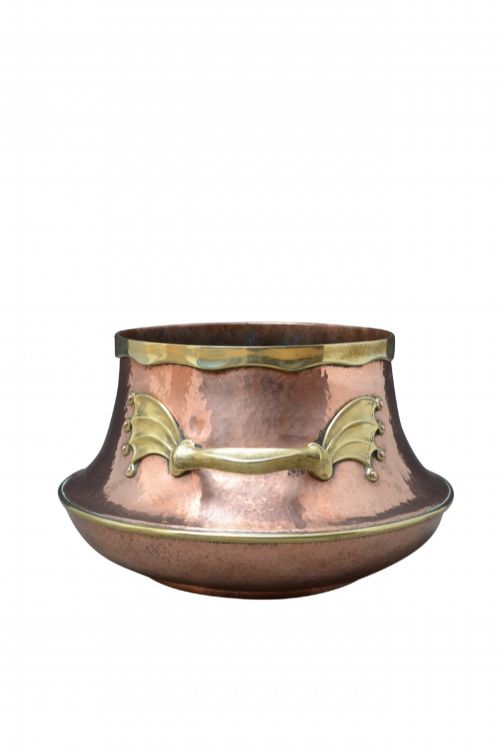
- An ornamental pot or stand designed to hold growing plants or flowers. These vessels often feature heavy copper bodies with brass handles and feet.
- Pricket candlestick
- A candleholder featuring a central spike upon which the candle is mounted rather than a socket. They appear frequently in ecclesiastical and ambitious domestic metalwork.
- Spirit kettle
- A water-boiling vessel suspended above a small burner fueled by methylated spirits. These sets combine brass stands with copper kettles for tea service.
- Coal scuttle
- A container specifically designed for holding and transporting fireplace fuel. Examples in this metalwork group often incorporate embossed decoration or iron swing handles.
Arts and Crafts Brass and Copper: Frequently Asked Questions
How do I clean antique copper and brass?
Maintenance requires gentle dusting and occasional cleaning with non-abrasive metal creams to remove active oxidation while preserving the underlying patina.
Aggressive polishing strips away the historic surface darkening that collectors value on pieces from this period.
Were these items made by hand or machine?
Production combined machine-rolled sheet metal with intensive hand-finishing, including manual hammering, riveting, and repoussé work.
Individual tool marks and slight irregularities confirm the direct involvement of the artisan in shaping the finished object.
How do I identify the period of the metalwork?
Dating relies on stylistic markers such as Art Nouveau plant motifs, Aesthetic Movement geometry, and construction details like hand-cut screws or riveted seams.
Comparison with documented designs from makers active around the turn of the twentieth century helps narrow the date of manufacture.
Can these antique lamps be used safely today?
Wiring and electrical components on standard lamps and wall lights generally require updating to meet modern safety standards by a qualified electrician.
The original brass and copper lamp bodies and fittings can be retained while internal cables are replaced.