
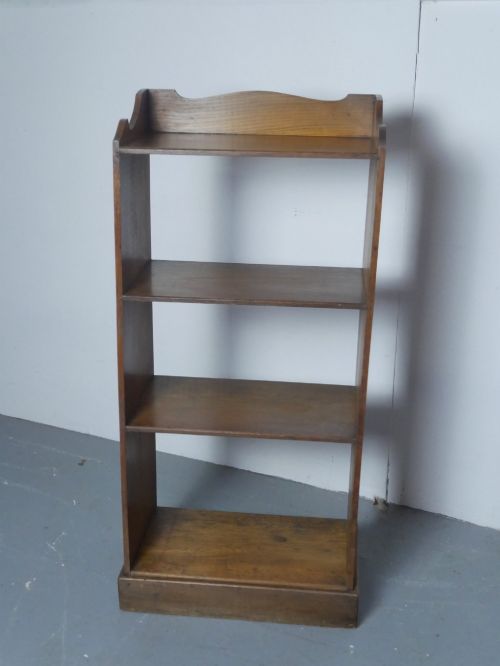
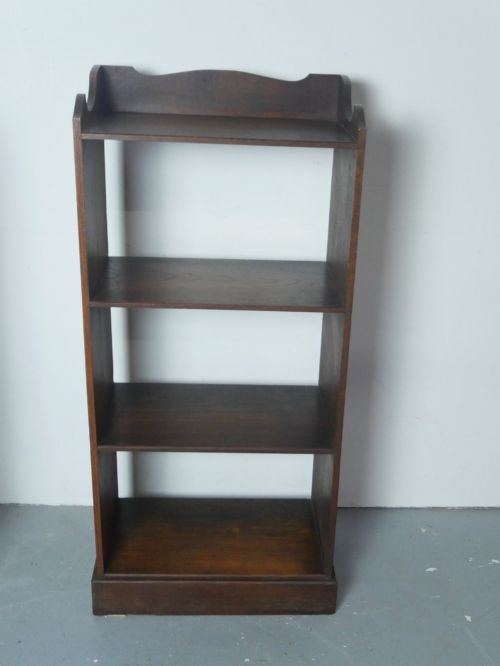
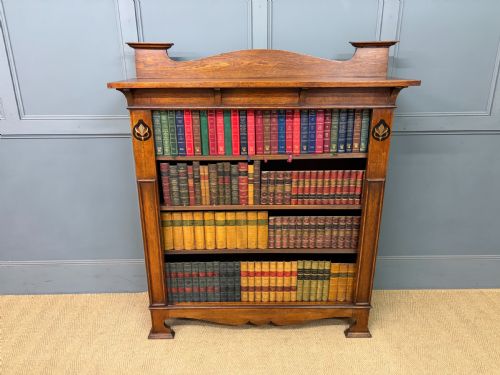
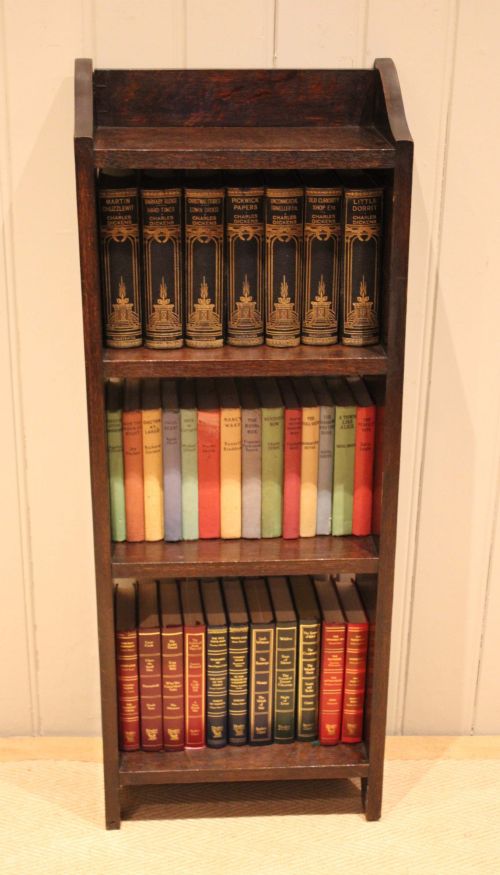
Arts and Crafts Book Stand
An arts and crafts book stand offers honest joinery and sturdy utility, designed to keep daily volumes close at hand.
Arts and Crafts Book Stand
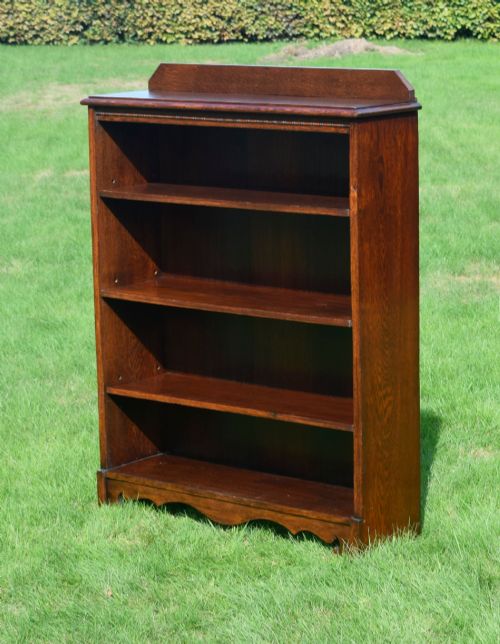
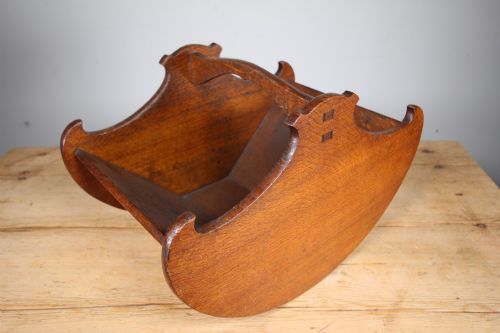
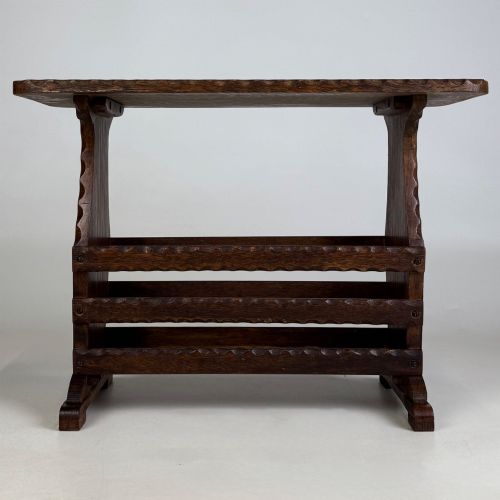
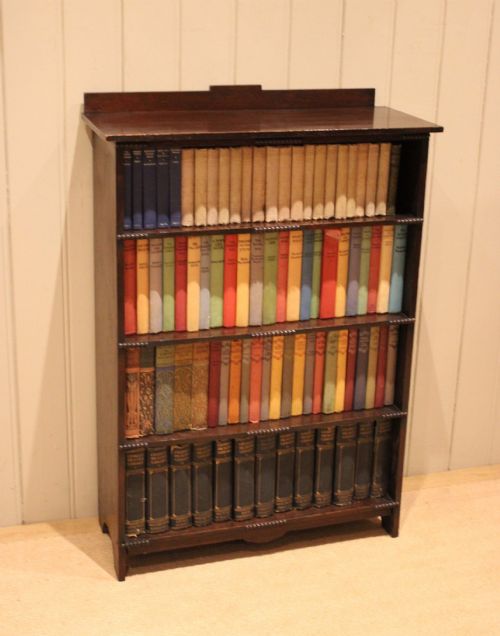
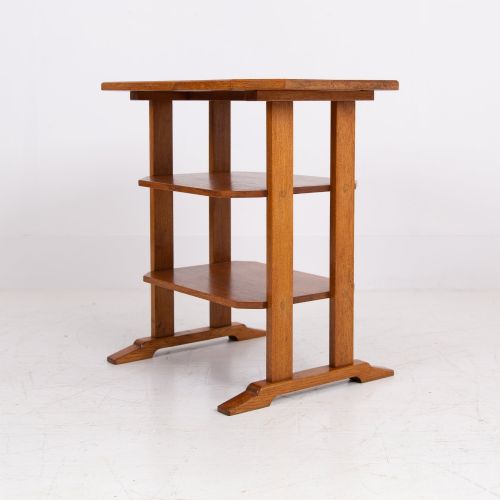
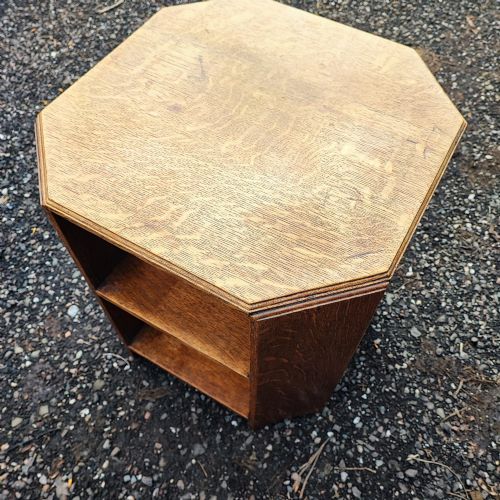
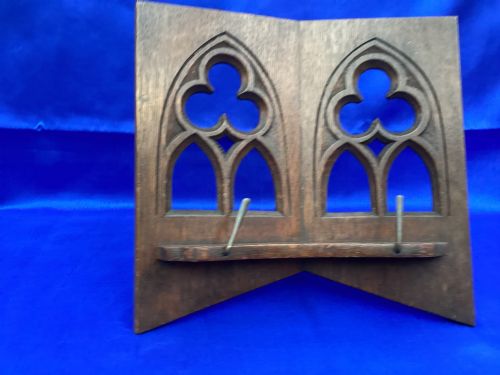
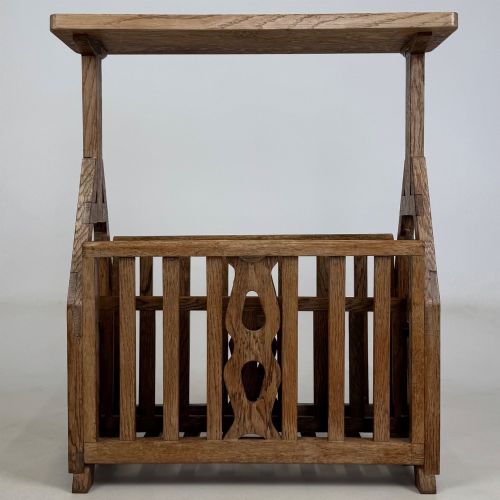
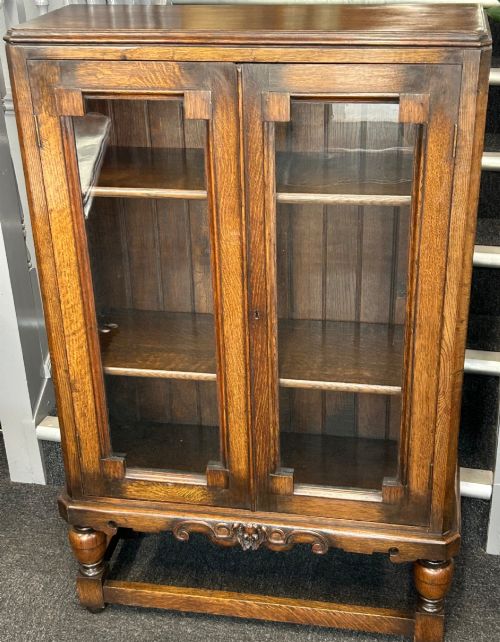
An arts and crafts book stand brings sturdy domestic utility to any room, taking the form of open bookcases, slope-shelf troughs, and revolving table models. These pieces bridge late nineteenth-century ideals and early twentieth-century production, often emerging from Edwardian workshops with a focus on practical function.
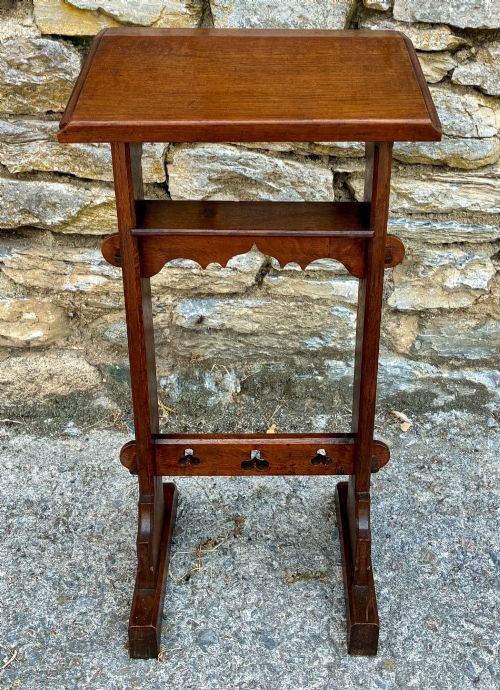
The buyer most frequently encounters solid oak examples dating from around nineteen hundred to nineteen twenty, alongside walnut variants and occasional mahogany pieces. Forms range from compact table-top stands and floor-standing bookcases to specialist items like music stands and church lecterns.
Makers and retailers of the period, such as Liberty or independent regional cabinetmakers, produced these stands to show the natural grain of the timber rather than hiding it beneath heavy veneer. This adherence to honest construction creates pieces that remain as useful for holding contemporary volumes as they were for Victorian folios.
Assessing craftsmanship
Quality reveals itself in the selection of timber and the integrity of the joinery, distinguishing standard workshop production from pieces bearing specific attribution or maker labels. Grain matching across panels and the weight of solid oak versus lighter, composite builds separate the exceptional examples from routine utility items.
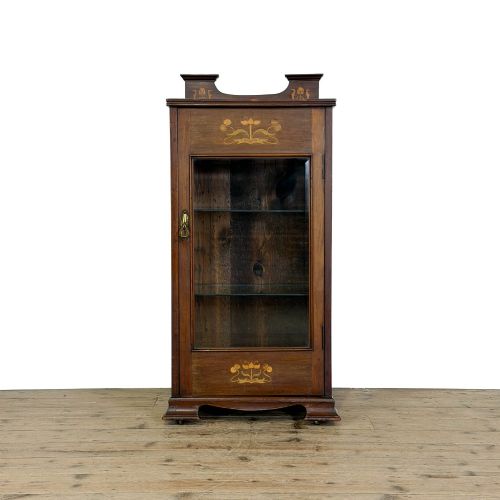
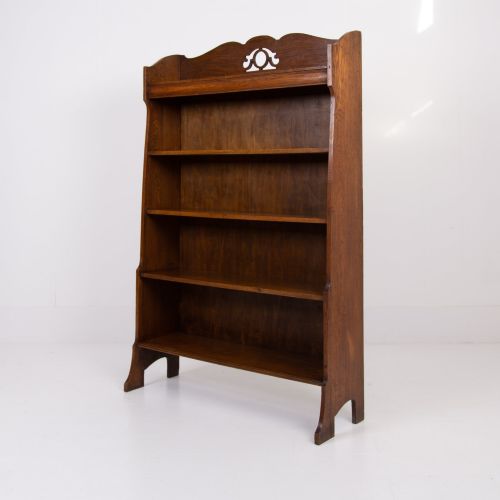
Design ambition further divides the range, moving from simple open troughs to complex revolving mechanisms, adjustable book rests, or integrated galleries and decorative cut-outs. Pieces showing considered proportion and restrained ornamentation command greater attention from those seeking authentic period design.
Several stands double as restaurant reception greeter stations, proving that antique books and hungry diners once shared the exact same furniture.
Arthur Simpson·Wylie Lochhead of Glasgow·E.A. Taylor
The Arts and Crafts Book Stand Glossary
- Book trough
- An open-topped container designed to hold books upright with their spines visible for easy selection. These low stands often sat upon firesides or tabletops.
- Revolving bookcase
- A rotating shelving unit mounted on a cruciform base, allowing multiple volumes to be accessed from a single stationary position. They appear in both table-top and floor-standing formats.
- Gallery
- A raised decorative border running along the top edge of a shelf or table to prevent items from sliding off. In this tradition, galleries often feature pierced or cutout woodwork.
- Lectern
- A slanted reading stand designed to support large books or folios at a comfortable angle for standing readers. They frequently incorporate adjustable ledges.
- Inlay
- A technique where pieces of contrasting wood, mother of pearl, or other materials are fitted into depressed areas flush with the surface. It provides subtle ornamentation without masking the underlying timber.
Arts and Crafts Book Stand: Frequently Asked Questions
How do I date an arts and crafts book stand?
Dating relies on stylistic clues, construction methods, and occasional maker labels or retailer stamps. Pieces from the late nineteenth century often display more overt Gothic or aesthetic movement influences, while 1920s examples lean towards simpler, streamlined forms.
The presence of solid oak, hand-beaten brass hardware, and pegged joinery consistently points toward the core production periods between eighteen ninety and nineteen twenty.
Were these stands made for homes or public spaces?
The majority of these pieces served domestic environments, providing accessible bedside, fireside, or desktop storage for household libraries and magazines. Compact revolving models and table troughs were tailored for drawing rooms and studies.
At the same time, larger lecterns, reception greeter stations, and public publication stands catered to institutional or commercial settings, reflecting the movement's broad application of craft principles.
How should I care for solid oak furniture?
Solid oak benefits from occasional treatment with traditional beeswax to nourish the timber and maintain a soft, protective sheen. Avoiding direct sunlight and sudden temperature changes prevents the wood from drying out or splitting.
Keeping brass fittings unpolished or gently cleaned preserves the authentic patination developed over a century of handling.