

Arts and Crafts Accessories
These arts and crafts accessories bring functional domestic hardware into daily use through honest metalwork and simple geometric forms.
Arts and Crafts Accessories
When you search for arts and crafts accessories, you encounter items designed to bring utility and hand-worked character to the home. The selection spans domestic utility pieces from the late nineteenth century through to the nineteen-thirties, reflecting the broad reach of the movement.
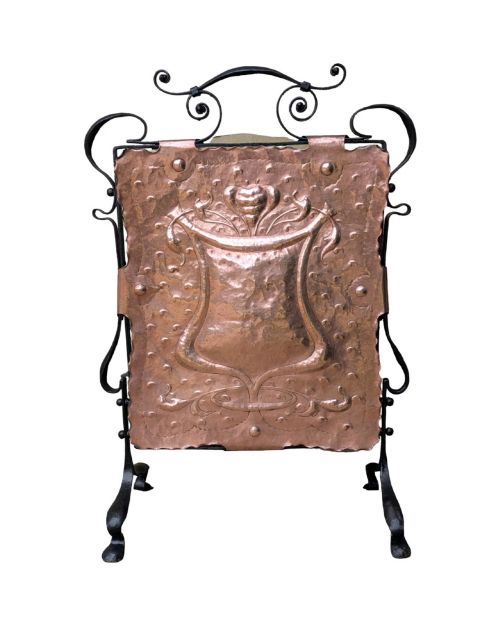
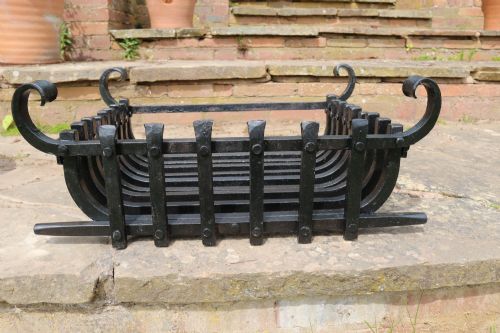
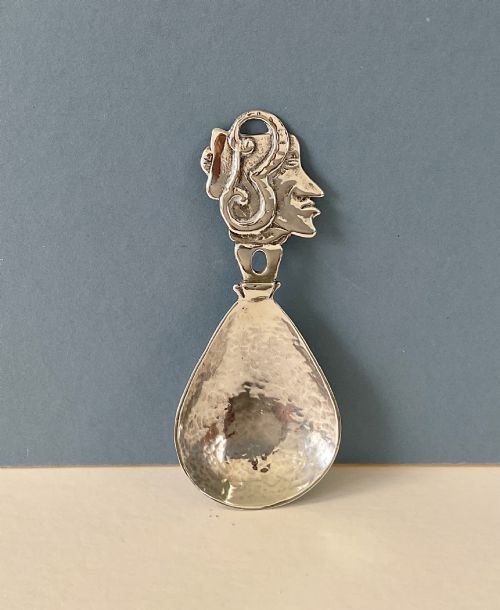
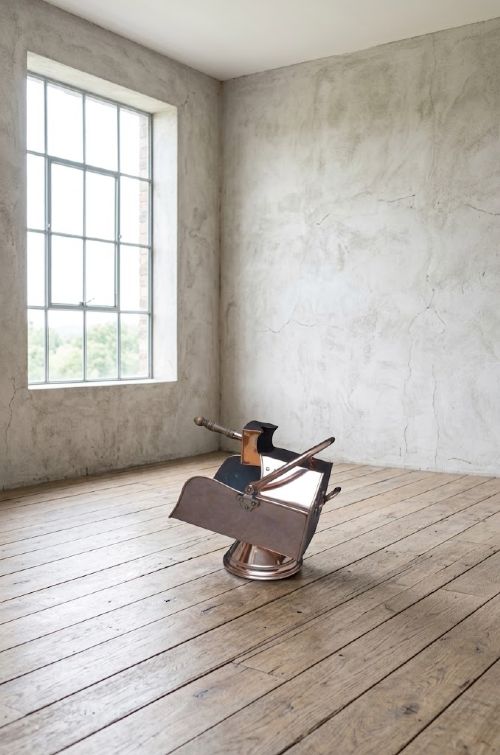
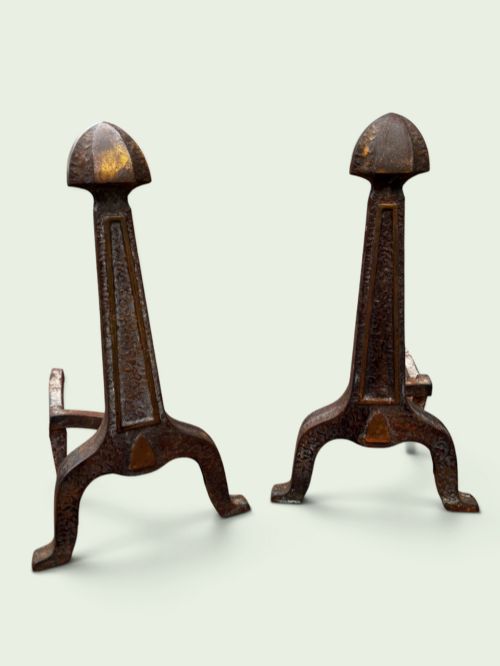
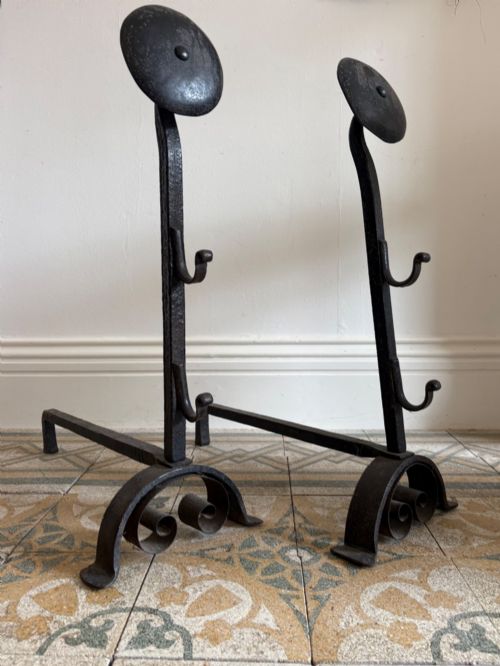
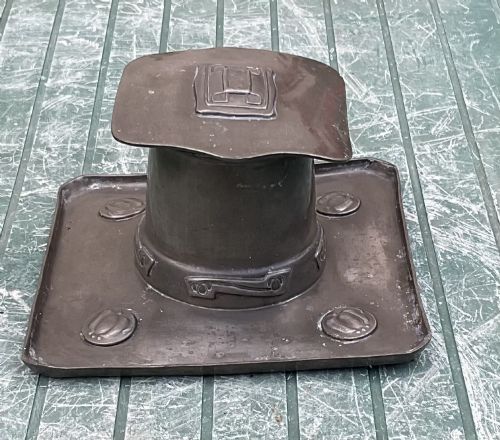
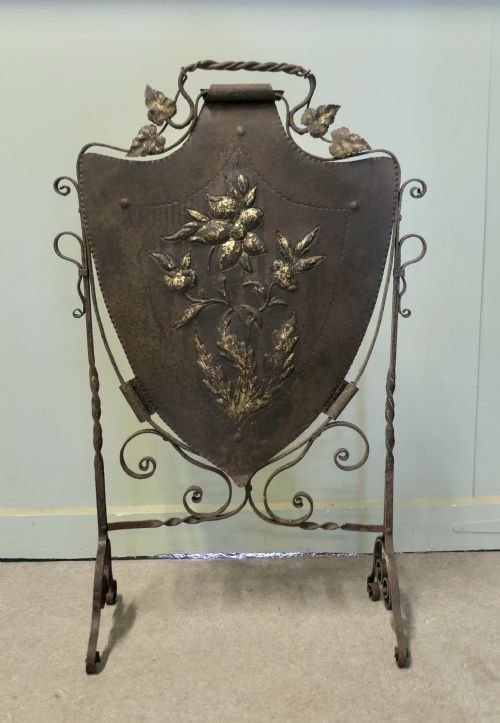
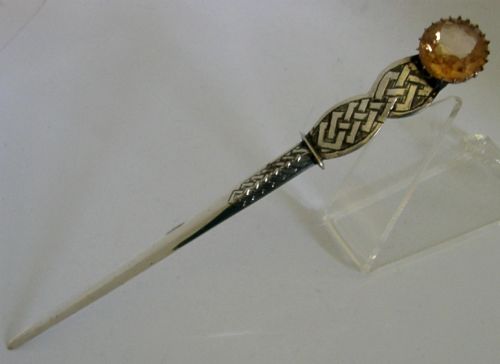
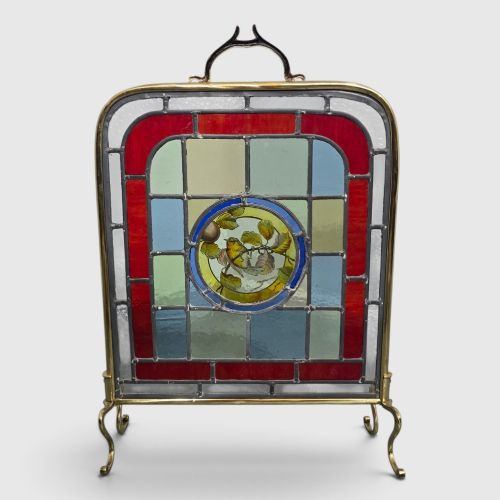
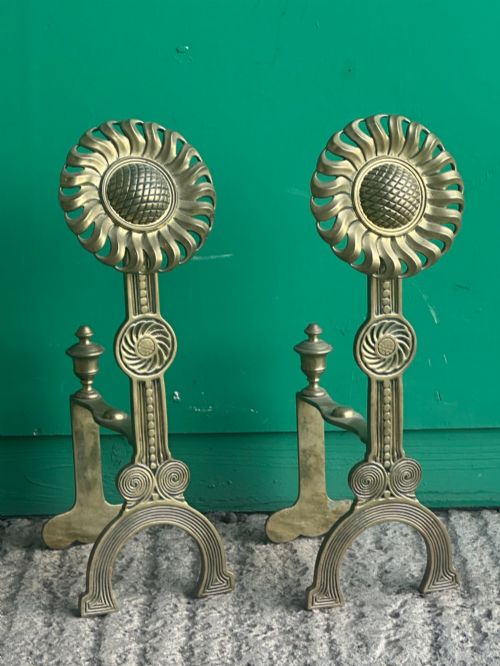
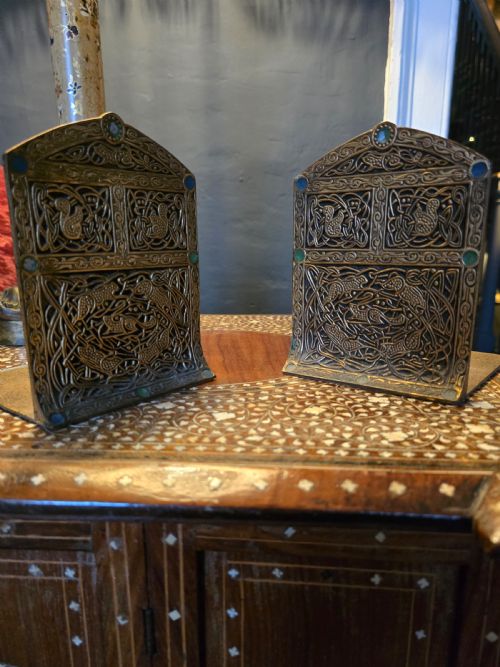
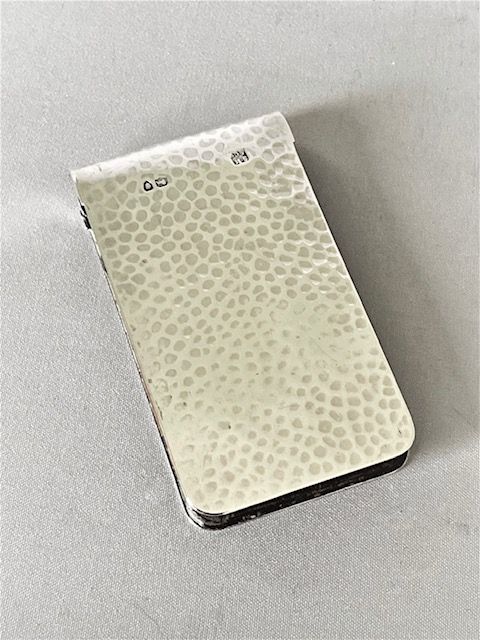
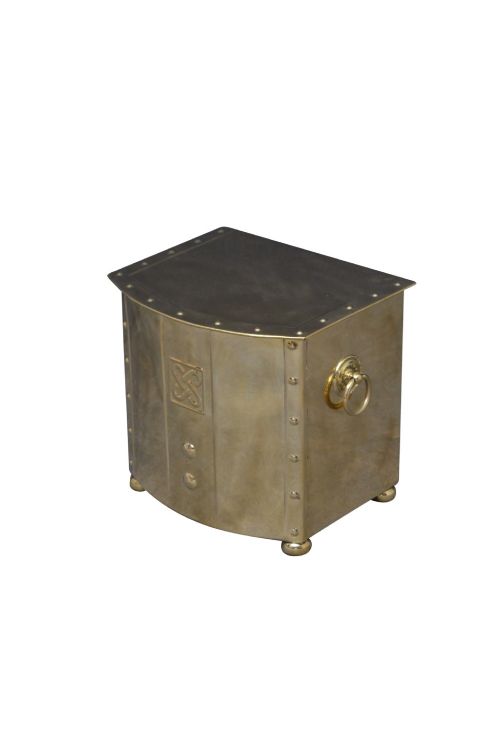
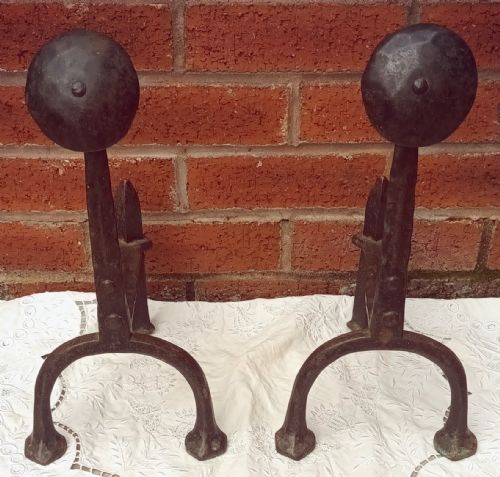
Fireplace accessories dominate the offerings, including wrought iron andirons, brass fire screens, copper coal buckets, and companion sets. Desk accessories and tabletop items such as sterling silver napkin rings, letter openers, and inkwells also appear alongside oak letter racks and stationery boxes.
Materials and Techniques
Makers utilised base metals predominantly, relying on beaten copper, cast brass, and heavy wrought iron for hearth furniture and storage vessels. Hammer marks remain visible on copper coal helmets and fenders, recording the physical labour involved in shaping the sheet metal by hand.
Arts and Crafts Accessories Retail Price Guide 2026
Typical asking prices for arts and crafts accessories among the pieces listed under this phrase on Sellingantiques today, from the lower quarter to the upper quarter. They describe what is for sale here now, not the wider market.
The listings show a strong representation of copper and brass hearth furniture alongside sterling silver tabletop items spanning the Victorian era through to the nineteen-thirties.
Evaluating the Pieces
Quality rests upon the integrity of the construction and the crispness of the hand-finishing rather than surface embellishment. Pieces with visible hand-forging, clean riveting, and substantial gauge metal separate standard commercial output from superior workshop production.
Design attribution and maker identity elevate certain examples, particularly those associated with known retail houses or prominent metalworkers of the period. The integration of decorative elements, such as enamel insets or cast floral motifs, distinguishes finer desk and hearth items from plain utility wares.
Archibald Knox·Liberty and Co·Sampson Morden·William Tonks·Tiffany Studios·Artificer's Guild
The Arts and Crafts Accessories Glossary
- Andiron
- A horizontal metal support raised on legs, used to hold logs in an open fireplace. Pairs of these iron or brass fire dogs often feature decorative terminals.
- Coal scuttle
- A container designed for holding and carrying domestic coal to a hearth. These vessels appear in hammered copper or brass configurations.
- Tudric pewter
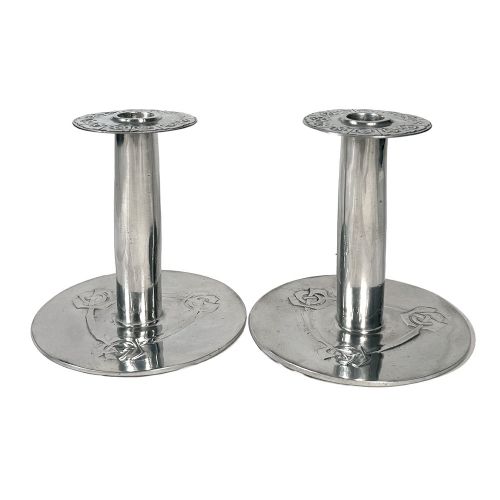
- A trade name used by Liberty and Co for a range of pewterware produced during the early twentieth century. These pieces frequently incorporate stylised organic motifs.
- Pokerwork
- A decorative technique involving the burning of designs into a wooden surface using a heated tool. This method appears on desktop stationery boxes and tidies.
Arts and Crafts Accessories: Frequently Asked Questions
What defines arts and crafts accessories?
These pieces originate from a design movement that valued visible hand-working, honest materials, and simple utility over mass-produced ornamentation. They encompass both heavy hearth equipment and small metalwork items for the desk.
The aesthetic rejects excessive industrial polish in favour of hammered surfaces, exposed rivets, and direct expression of how the object was constructed.
How were copper coal buckets used?
Copper coal buckets and scuttles stood beside domestic fireplaces to hold fuel supplies for daily hearth maintenance. Their durable metal construction allowed them to withstand heavy daily handling.
Many incorporate iron frames or swing handles to facilitate carrying coal from storerooms directly to the fireside.
How do I care for brass and copper?
These metal items require minimal intervention to preserve their historic character and stable surfaces. Dusting with a soft dry cloth prevents the accumulation of grime on beaten copper and cast brass.
Avoid aggressive chemical polishes that strip away aged patination and obscure the hand-hammered texture recorded during manufacture.
How can I date these metal items?
Dating relies on stylistic markers, manufacturing techniques, and occasional maker marks or stamped registration numbers. Pieces from the late nineteenth century often display Gothic Revival or Aesthetic Movement influences, while items from the nineteen-tens and twenties shift towards simpler geometric forms or Art Deco lines.
Examining construction methods, such as hand-forging versus machine stamping, helps narrow the production era.