






Artists Wood Stand
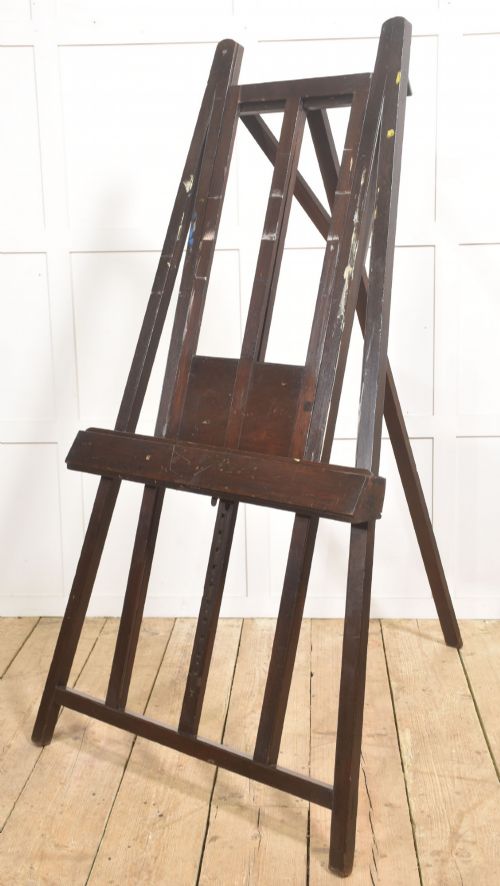
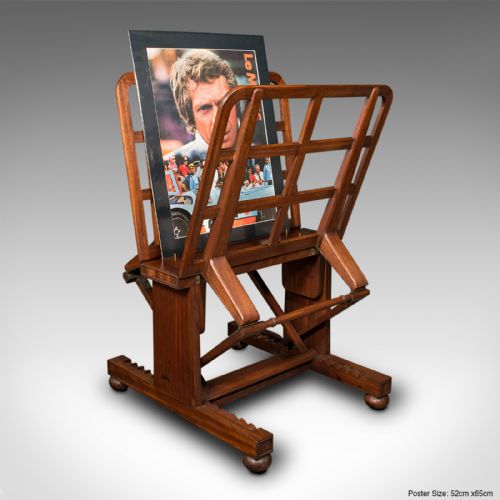
These artists wood stand pieces are practical studio furniture designed to hold canvases, folios, and sculptures while you work.
Artists Wood Stand
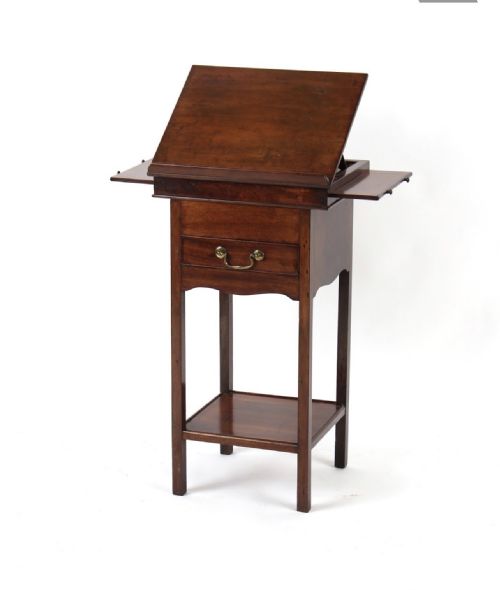
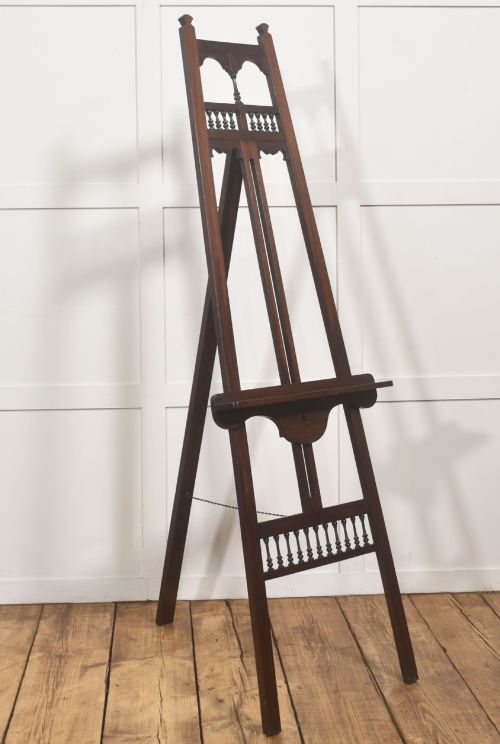
When you search for artists wood stand, you are looking at studio furnishings built to support creative work, from heavy floor-standing easels to compact tabletop versions. The selections on this page encompass pieces from the Georgian, Regency, and Victorian periods, alongside later twentieth-century examples.
You will most commonly encounter floor-standing and tabletop easels made from mahogany and oak, alongside specialist folio stands and sculptors' stands. These practical studio items reflect the working methods of artists across the nineteenth and twentieth centuries.
How they were made
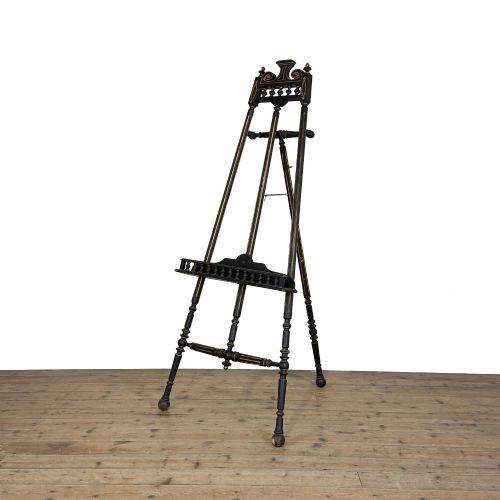
Makers utilised timber such as mahogany, oak, and ebonised wood to build these functional stands, frequently incorporating metal or brass adjustment mechanisms to alter height and angle. Surfaces were occasionally painted or left with a natural wood grain depending on the studio requirements of the period.
Construction methods focused entirely on utility and weight-bearing strength, leading to sturdy joints and fully adjustable frames designed to withstand heavy daily use in an artist workshop.
Artists Wood Stand Retail Price Guide 2026
Typical asking prices for artists wood stand among the pieces listed under this phrase on Sellingantiques today, from the lower quarter to the upper quarter. They describe what is for sale here now, not the wider market.
Listings on this site feature oak, mahogany, and ebonised wood across Victorian, Regency, and Georgian periods.
What varies in quality
The standard of an artists wood stand is defined by the complexity of its mechanical adjustments and the quality of the timber selected by the maker. Superior examples feature smooth, original winding or peg mechanisms that operate without binding, paired with dense hardwoods like mahogany or oak.
Simpler utilitarian studio pieces sit at the other end of the scale, prioritising basic structural function over refined cabinet-making details or decorative stylistic elements such as ebonised finishes or brass fittings.
The Artists Wood Stand Glossary
- Easel
- A freestanding upright support used for holding an artist's canvas or panel at a convenient height for working. These range from simple tabletop frames to massive studio structures.
- Folio Stand
- A piece of furniture designed to store and display large sheets of paper, prints, or drawings. They often feature folding sides and a trough base.
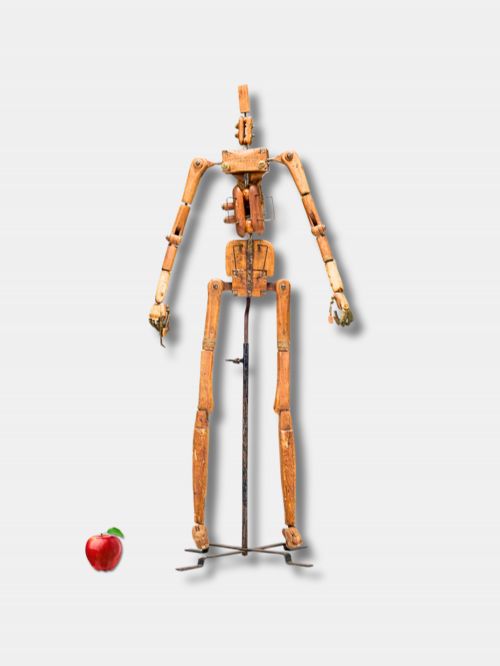
- Lay Figure
- An articulated wooden or papier-mâché mannequin used by artists to study drapery and the human form. Life-size versions stand on their own dedicated wooden bases.
- Architects Table
- A specialist table with an adjustable top used for drafting and drawing. These share similar mechanical tilting functions with artist easels.
- Ebonised Wood
- Timber treated with a dark stain or finish to imitate ebony. This technique appears frequently on nineteenth-century aesthetic movement studio pieces.
Artists Wood Stand: Frequently Asked Questions
How do I date an antique easel?
Dating relies on identifying the timber species, construction joints, and the sophistication of any mechanical brass or iron adjustments.
Earlier Georgian and Regency pieces show hand-tooling and specific joinery, whereas Victorian and later versions often incorporate heavy cast iron winding handles.
Were these stands used by professionals?
Many surviving examples originated in professional artist studios, architectural offices, and academic workshops.
Robust construction and fully adjustable mechanisms indicate they were intended for heavy daily use rather than domestic display.
How do I clean an old wooden easel?
Maintenance involves removing surface dust with a dry cloth and occasionally feeding dry timber with a suitable microcrystalline wax.
Avoid using harsh chemical cleaners or water on antique wood finishes to preserve the original patina built up over decades of studio use.