

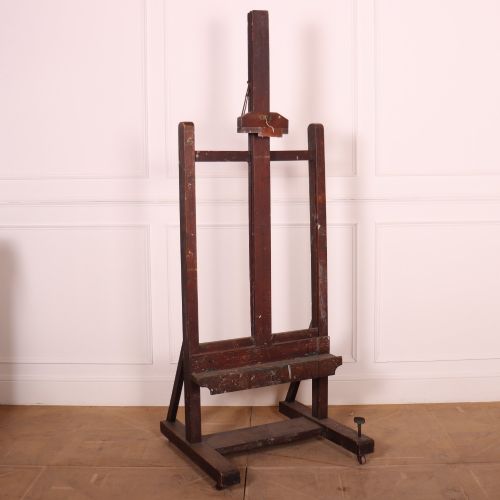
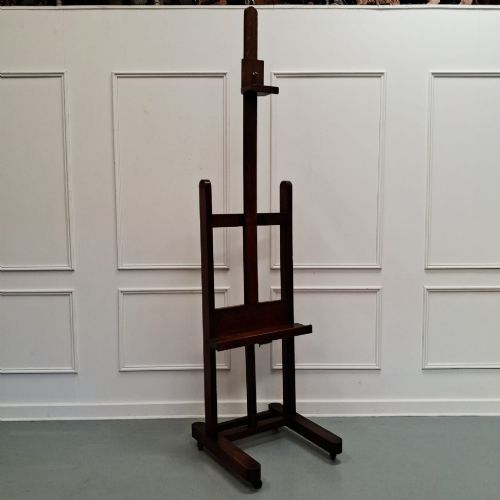
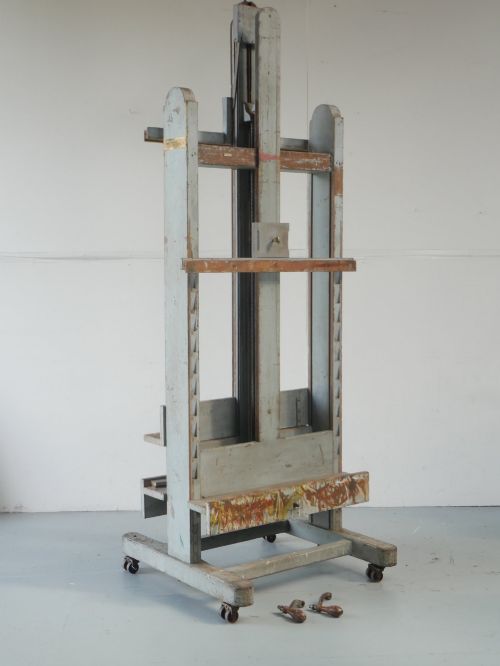
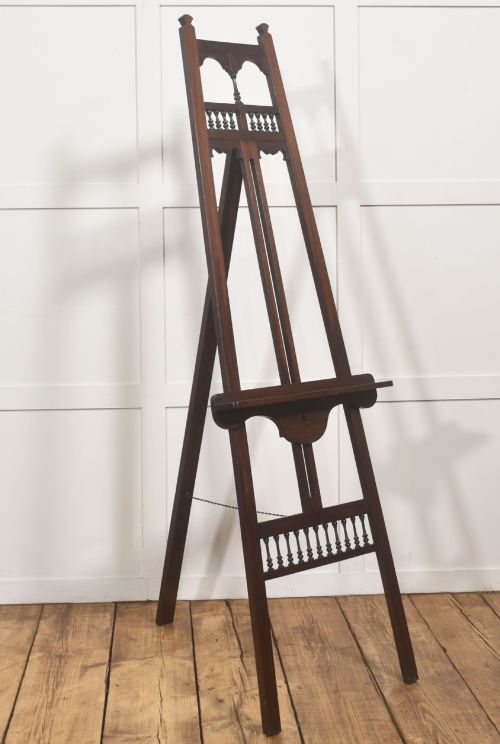


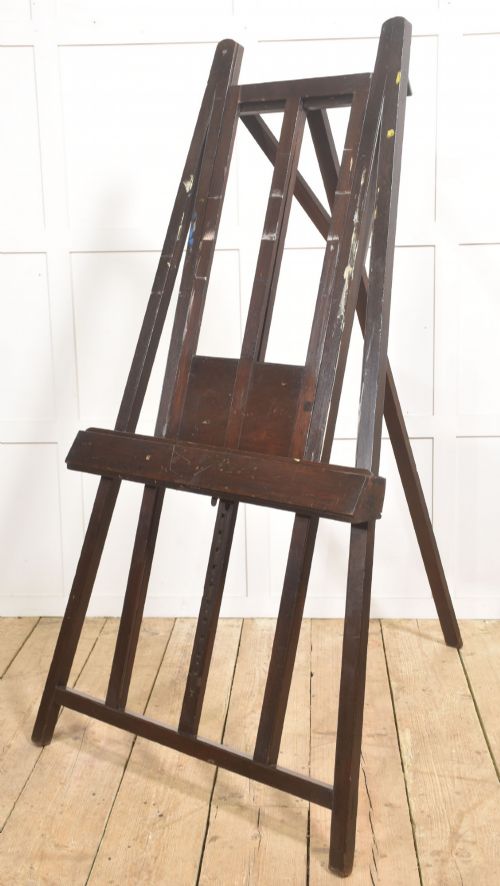
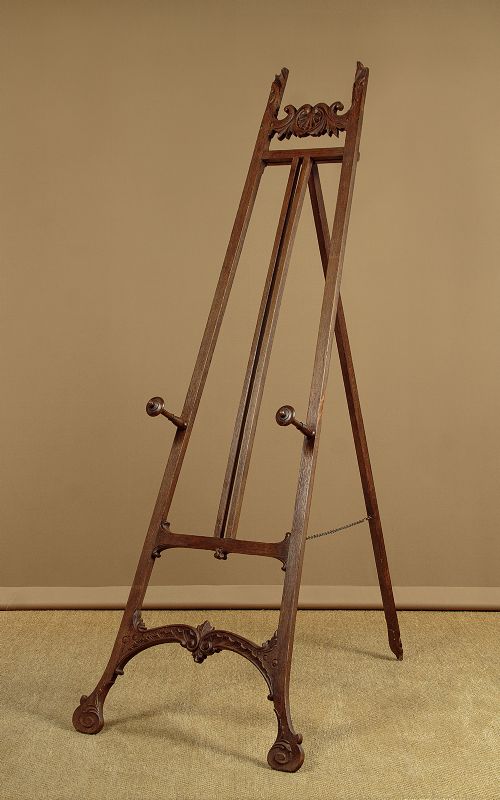


Artist Painting Easel
An artist painting easel holds your work at the proper height while you mix your colours and shape your vision.
Artist Painting Easel
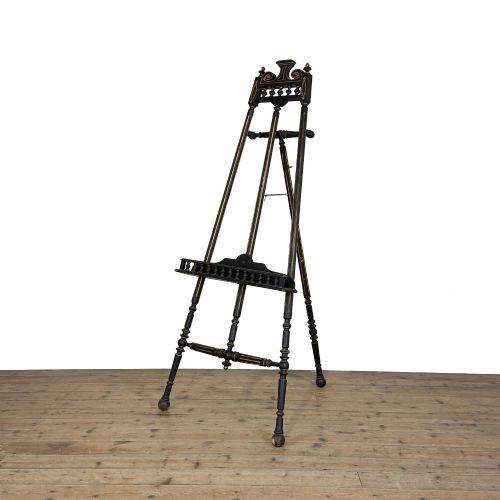
When you search for an artist painting easel, you are looking at practical studio equipment that doubles as striking interior furniture. These pieces hold canvases steady for work or display finished oil paintings and folios for daily appreciation.
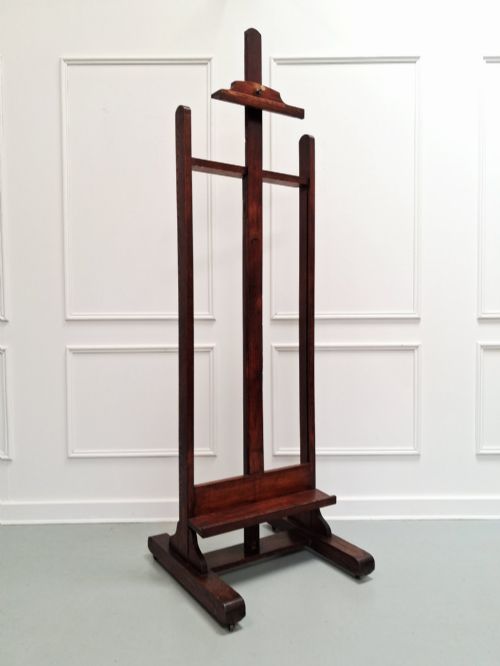
You are most likely to meet large floor standing examples in oak and mahogany, alongside smaller tabletop versions from the nineteenth and early twentieth centuries. Pieces span the Victorian, Edwardian, and Regency eras, with industrial variants and French provincial designs appearing frequently.
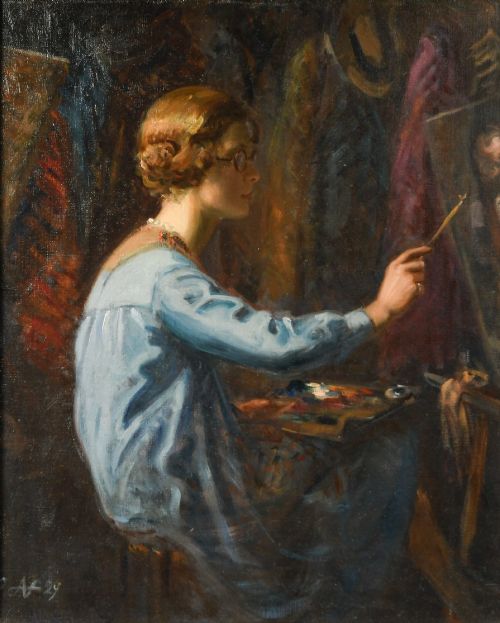
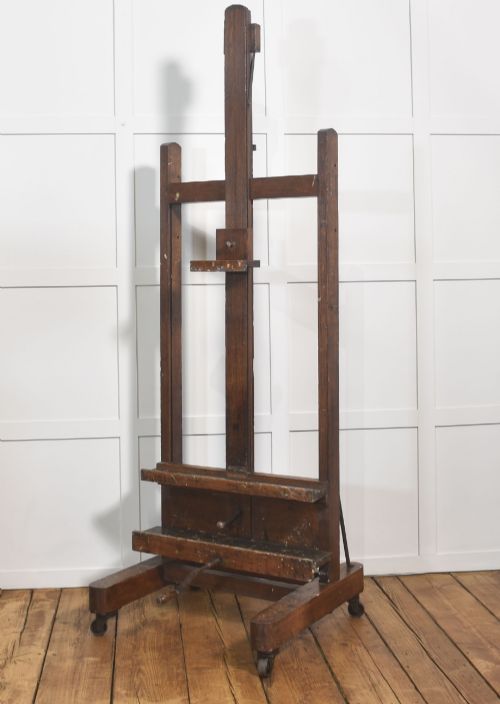
Studio models often feature fully adjustable mechanisms for height and tilt, while gallery variants offer double-sided display surfaces. Alongside actual easels, the selection includes folio stands and oil paintings depicting artists at work.
How they were made
Cabinet makers constructed these pieces primarily from sturdy timbers such as oak, mahogany, and walnut, ensuring the heavy weight required to support large canvases. Metal, cast iron, and brass components appear in adjustment mechanisms, winding handles, and decorative mounts.
Surface treatments range from ebonised wood and ebony veneer to polished natural grain and carved details in Aesthetic, Rococo Revival, or French styles. Finer pieces incorporate ivory inlay or bamboo framing, reflecting the decorative tastes of their respective periods.
Artist Painting Easel Retail Price Guide 2026
Typical asking prices for artist painting easel among the pieces listed under this phrase on Sellingantiques today, from the lower quarter to the upper quarter. They describe what is for sale here now, not the wider market.
Keep an eye out for the occasional swan design or delicate ivory inlay hiding among the heavy studio timber.
What varies in quality
The distinction between ordinary and exceptional studio furniture lies in the integrity of the adjustment mechanisms and the weight of the timber. Fully operational ratchets, smooth screw threads, and robust bracing indicate a piece built for heavy daily studio use rather than light domestic display.
The Artist Painting Easel Glossary
- Studio easel
- A large, heavy floor-standing timber frame designed to support sizeable canvases during the painting process. These pieces usually incorporate wheels or castors and complex adjustable mechanisms.
- Tabletop easel
- A compact variant designed to sit on a desk or table, holding smaller boards or serving as a display stand for framed pictures. They offer the same mechanical adjustment on a miniature scale.
- Gallery easel
- A display stand configured to present finished artwork to prospective buyers or visitors in an exhibition space. They often feature double-sided boards or wider ledges for prominent presentation.
- Folio stand
- A low rack designed to hold large paper portfolios, prints, or architectural drawings flat or at a slight slant. They share the timber construction and period detailing of contemporaneous easels.
- Aesthetic Movement
- A late nineteenth-century design style emphasising visual beauty over narrative content, often featuring ebonised wood surfaces and minimalist geometric lines. Pieces from this era prioritize artistic harmony.
Artist Painting Easel: Frequently Asked Questions
What is an artist painting easel used for?
An artist painting easel provides a secure vertical or inclined surface to support a canvas while a painter applies oil or other mediums.
Beyond the studio, collectors use them in living spaces to display framed artwork, mirrors, or large photographs at eye level.
How do I choose the right size?
Consider both your available floor space and the scale of the items you intend to place on the ledge.
Large studio models suit high-ceilinged rooms and substantial canvases, whereas tabletop versions fit neatly on desks or sideboards.
Can these hold heavy canvases?
Period studio models constructed from dense hardwoods like oak and mahogany are engineered to bear considerable weight and pressure.
Checking the stability of the base and the tightness of the timber joints will confirm its structural capacity for heavy work.
How do I date a period easel?
Examine the timber species, the style of any carved ornamentation, and the construction of the mechanical winding or sliding parts.
Victorian and Edwardian pieces often show distinct stylistic nods such as Rococo Revival curves or Aesthetic ebonised finishes.