






Art Nouveau Wood Mirror
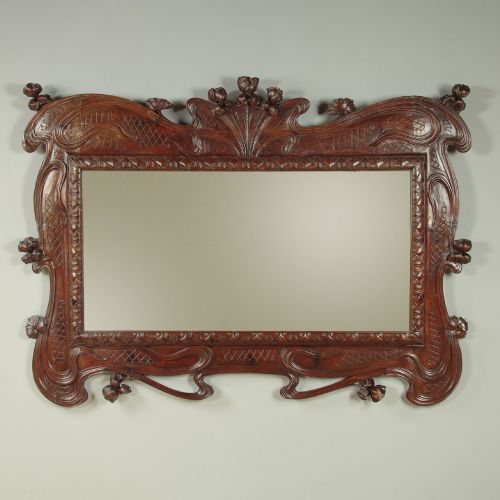
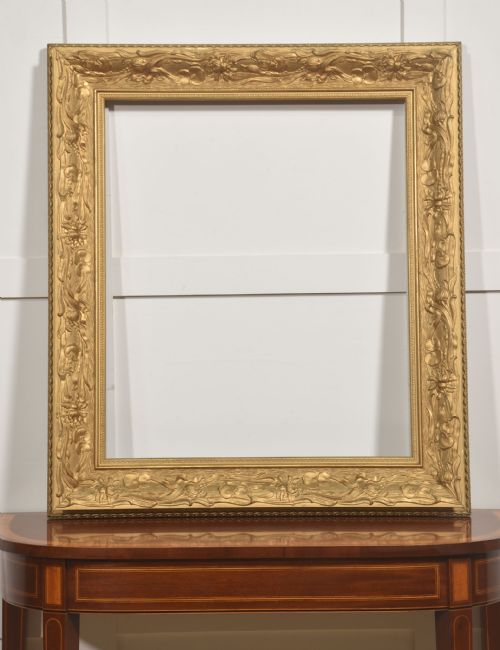
An art nouveau wood mirror brings sinuous organic lines and rich timber into a room, capturing the distinct aesthetic of the turn of the twentieth century.
Art Nouveau Wood Mirror
When you search for an art nouveau wood mirror, you enter a sphere where fluid botanical motifs meet traditional cabinetmaking. The pieces span periods from the late nineteenth century into the Edwardian era, incorporating styles such as Arts and Crafts, Japonisme, and Glasgow School alongside pure Art Nouveau. You encounter wall mirrors, table mirrors, and large dressing table glasses set into frames of various proportions.
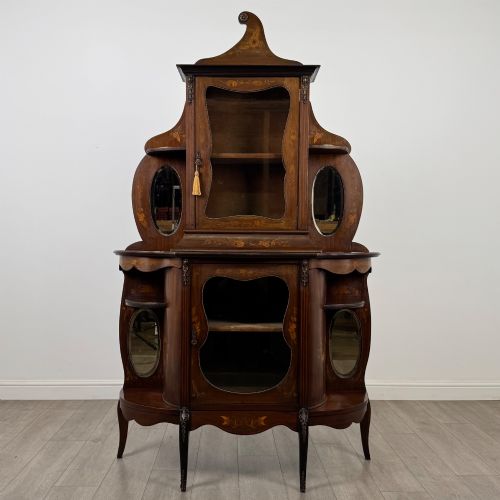
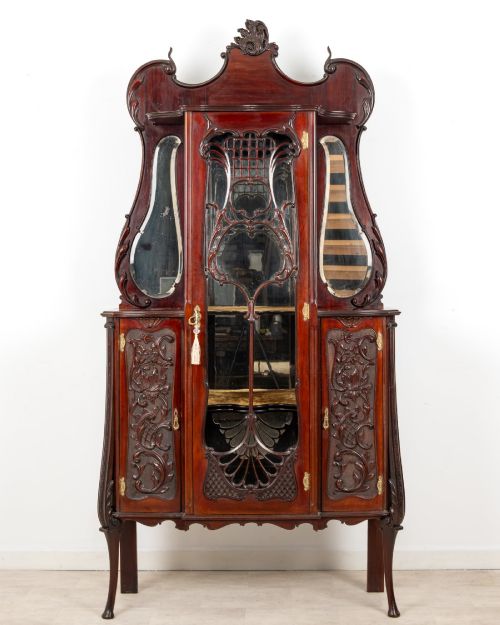
The wooden frames and associated furniture pieces range from carved mahogany and satinwood to beech, often enhanced with giltwood, gesso, or wood inlay. Many items integrate mirrored glass with storage functions, appearing as mirror-backed display cabinets, wardrobes, and sideboard units. The craftsmanship reflects an era when joinery and decorative carving merged to create functional household objects with artistic presence.
The examples meeting this description include dedicated wall-hung frames as well as mirrors attached to larger Victorian and Edwardian bedroom suites. Each piece demonstrates how makers of the period applied flowing, naturalistic designs to domestic timber furniture. Buyers find both simple wall pieces and complex multi-part cabinets featuring bevelled glass and integrated mirror plates.
Materials and Construction
Makers utilised dense timbers such as mahogany, satinwood, and beech as the structural foundation for these frames and furniture pieces. Wood inlay, carved wood details, and applied gesso formed the decorative surface layers, sometimes accented with brass or silvered copper elements.
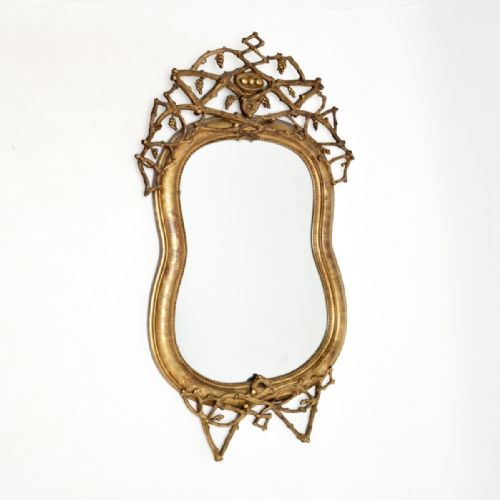
Craftsmen shaped the timber using traditional hand-carving and joinery techniques to achieve the characteristic asymmetric curves and stylised plant motifs of the style. Gilding and gold leaf were frequently applied to gesso mouldings to create reflective, luminous borders around the glass plates.
Art Nouveau Wood Mirror Retail Price Guide 2026
Typical asking prices for art nouveau wood mirror among the pieces listed under this phrase on Sellingantiques today, from the lower quarter to the upper quarter. They describe what is for sale here now, not the wider market.
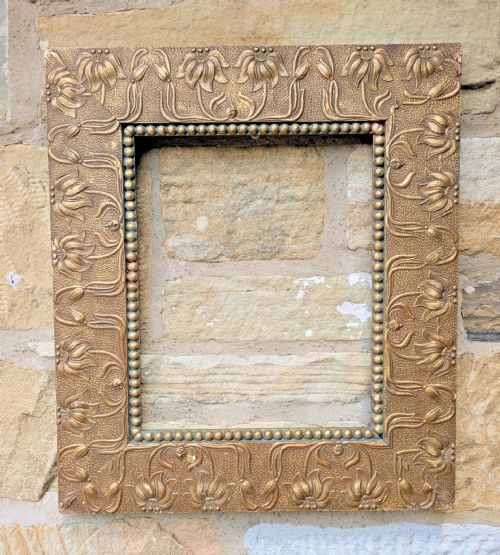
Stylised honesty seed pods occasionally peek out from copper and wood frames, reminding us that even Edwardian mirrors needed a touch of garden flora.
Assessing Quality
The standard of an art nouveau wood mirror depends heavily on the depth and crispness of the hand-carving within the wooden frame. Superior examples display fluid, confident lines executed by skilled hands rather than mechanical replication, with harmonious integration between the timber and the decorative motifs.
The choice of materials and the integrity of the joinery further separate ordinary items from exceptional ones. Finer pieces employ well-figured timbers, meticulous wood inlay, and original silvered mirror plates that maintain their clarity and depth over time.
Wylie Lochhead of Glasgow·E. A. Taylor·Gabriel Viardot
The Art Nouveau Wood Mirror Glossary
- Gesso
- A plaster-like mixture applied to wood surfaces and moulded to form decorative reliefs before gilding. This technique allowed makers to create intricate, flowing ornamentation around mirror frames.
- Inlay
- A decorative technique where pieces of contrasting timber or other materials are inserted into recesses in the base wood. It creates flat, patterned surfaces on cabinets and frame borders.
- Japonisme
- The influence of Japanese art and design on Western makers during the late nineteenth century. It introduced asymmetrical compositions and natural themes to European furniture.
- Cheval mirror
- A freestanding full-length mirror suspended on a pivoting frame between two upright posts. These large glasses often formed part of dressing table combinations.
- Bevelled glass
- Mirror glass with edges cut and polished at an angled slope. This traditional treatment adds depth and refracts light around the perimeter of the frame.
Art Nouveau Wood Mirror: Frequently Asked Questions
How do I date an art nouveau wood mirror?
Dating relies on examining the construction methods, timber types, and stylistic indicators such as the presence of Glasgow School or Arts and Crafts influences. Pieces typically range from the late Victorian period through the Edwardian era.
Original hardware, backboards, and the composition of the mirror glass itself also offer reliable clues to the age of the piece.
Were these mirrors originally part of larger furniture?
Many mirrors from this era were designed as integral components of larger pieces, including wardrobe doors, sideboard backs, and dressing tables. Over time, some dressing table mirrors and cabinet doors became detached to serve as standalone wall hangings.
Examining the original fixing points and rear structure usually reveals whether a mirror functioned independently or belonged to a larger cabinet.
How should I care for antique wood and gesso frames?
Protect the timber and gilt surfaces by keeping them away from direct sunlight and fluctuating humidity levels. Regular gentle dusting with a dry, soft cloth prevents the accumulation of grit in carved recesses.
Avoid using modern liquid polishes or chemical cleaners, which can damage original gesso, gold leaf, and fragile wooden finishes.
What distinguishes Art Nouveau from Victorian styles?
Art Nouveau rejects heavy historic revivalism in favour of dynamic, flowing lines inspired by natural forms such as stems, seed pods, and whip-like curves. Victorian design often drew on earlier historical periods like Rococo or Gothic Revival.
While some pieces bridge these eras, true Art Nouveau work prioritises organic movement and asymmetrical botanical motifs over rigid symmetry.