



Art Nouveau Stick Holder
An art nouveau stick holder brings organic line and utility to a hallway, offering a sculptural place to stable canes and umbrellas.
Art Nouveau Stick Holder
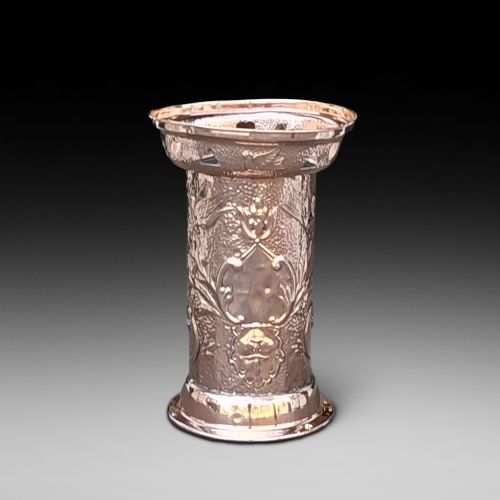
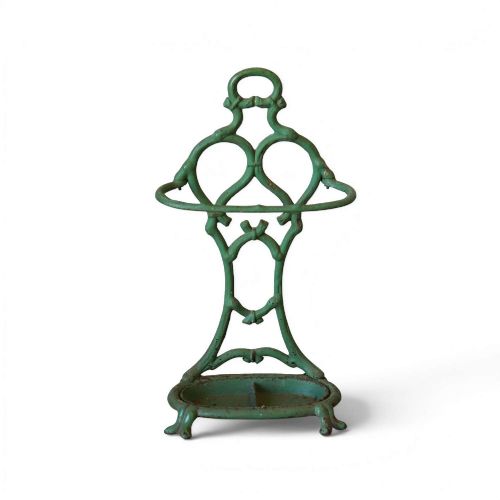
An art nouveau stick holder is a hallway furnishing designed to hold walking sticks, canes, and umbrellas while displaying the characteristic flowing, plant-inspired lines of the movement. These objects take the form of heavy floor-standing vessels or integrated hall stands that combine timber and metal.
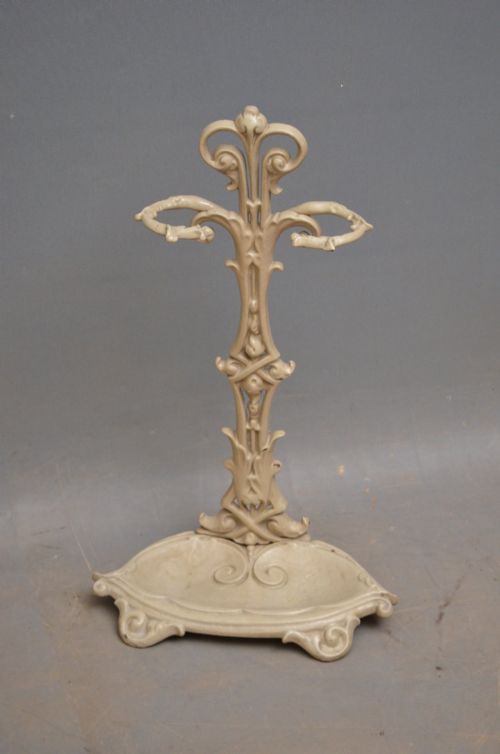
Visitors to this selection will most frequently encounter cast iron examples originating from France around nineteen hundred, often finished with enamel or moulded into faux bois bamboo designs. Other notable variations include glazed earthenware ceramics and brass-mounted oak structures from the nineteenth century and the nineteen thirties.
How they were made
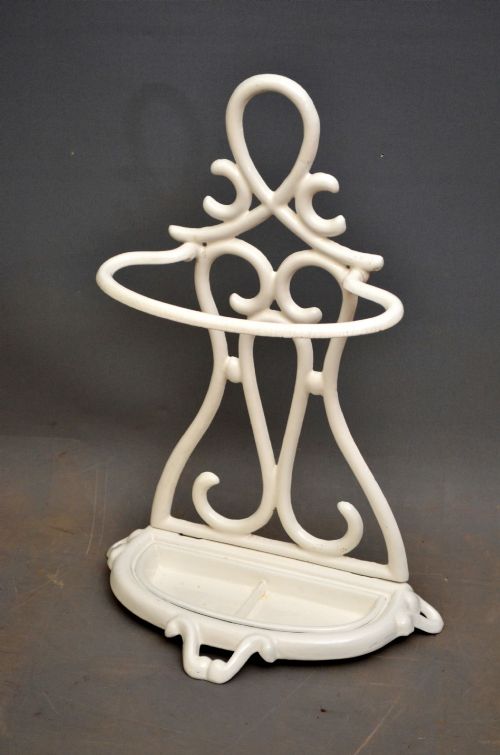
Makers utilised cast iron poured into detailed moulds to achieve the sinuous whiplash curves and naturalistic textures, sometimes applying a white enamel finish or a faux bois bamboo pattern. Copper and brass were beaten, cast, or riveted to form lighter receptacles and structural mounts, often paired with solid oak framing.
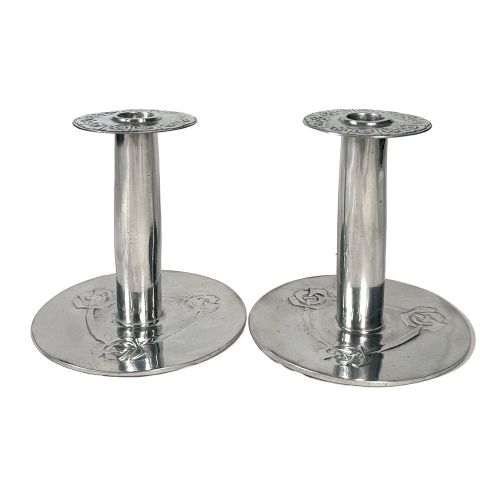
Ceramic versions relied on glazed earthenware and faience techniques, shaped by hand or in moulds before firing and glazing with rich surface colours. Silvered pewter elements seen across related objects demonstrate metal-spinning and casting methods typical of continental European workshops.
Art Nouveau Stick Holder Retail Price Guide 2026
Typical asking prices for art nouveau stick holder among the pieces listed under this phrase on Sellingantiques today, from the lower quarter to the upper quarter. They describe what is for sale here now, not the wider market.
Materials span cast iron, copper, enamel, glazed earthenware, brass, oak, ceramic, and silvered pewter across the Victorian and early twentieth-century eras.
What varies in quality
The distinction between ordinary and superior examples lies in the crispness of the casting and the ambition of the plant-derived modelling. Cleanly defined botanical motifs and deep relief work separate mass-produced items from pieces where the artisan has carefully considered every curve.
Material integration also dictates standard, particularly in how brass, copper, and oak are joined together in hall stands. Thoughtful patination and robust construction of the internal drip trays show a higher grade of workshop production.
WMF·Burmantofts Faience·Coles and Fryer
The Art Nouveau Stick Holder Glossary
- Faux bois
- Imitation wood grain rendered in another material such as cast iron or ceramic. This technique was popular in garden and hallway furniture to mimic natural timber.
- Faience
- Tin-glazed earthenware decorated with opaque coloured glazes. It provides a vibrant surface for floral and organic motifs.
- Demi-lune
- Half-moon shape used in furniture design to allow pieces to sit flush against a wall. This profile is common in hallway stands to save floor space.
- Silvered pewter
- A tin alloy coated with a thin layer of silver to enhance reflectivity and brightness. It offers the appearance of solid silver with a softer metallic sheen.
- Enamel
- A glassy substance fused to metal through high-temperature firing. It provides a durable, wipe-clean surface resistant to moisture from wet umbrellas.
Art Nouveau Stick Holder: Frequently Asked Questions
How do I clean a cast iron stick holder?
Cast iron surfaces benefit from gentle dusting and occasional wiping with a dry cloth to preserve the finish. Avoid harsh chemical cleaners that might strip enamel or patination.
Moisture from umbrellas should be managed by checking and emptying internal drip trays regularly. Keeping the interior dry prevents rust from forming inside the vessel.
Were these stands meant only for umbrellas?
These furnishings were designed to hold walking sticks, riding crops, and canes alongside wet umbrellas. Victorian and Edwardian households required dedicated furniture near the front door for outdoor accessories.
Many examples accommodate multiple types of sticks through divided metal loops or ceramic partitions. This dual purpose explains the variation in internal diameters seen across the selection.
How do I identify a French piece?
French examples from around nineteen hundred often feature distinct cast iron construction with plant-like asymmetry. Makers across France frequently utilised faux bois bamboo designs and integral drip pans.
Stylistic cues include whiplash floral motifs and lighter framing compared to heavier English oak hall stands. The registration marks or foundry stamps, where present, typically confirm continental origin.
What is Arts and Crafts influence?
The Arts and Crafts movement prioritised visible construction, honest materials, and handcrafted quality over industrial mass production. In hallway stands, this appears as exposed joinery in oak and straightforward use of brass and copper.
Pieces bearing this influence often display simpler geometric lines combined with stylised natural ornamentation. The focus remains on the utility of the timber and the integrity of the metalwork.