



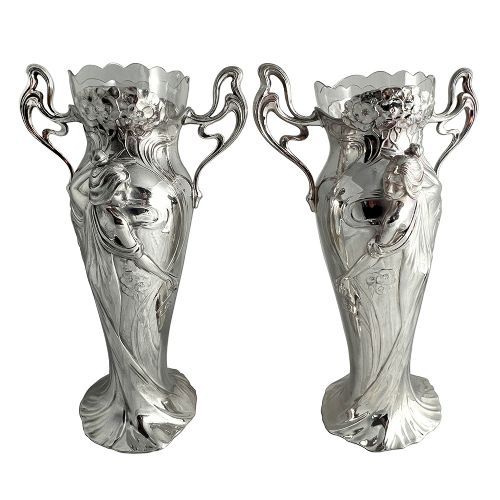


Art Nouveau Silver Vessel
An art nouveau silver vessel brings fluid organic line and precious metal together, defining the dynamic elegance of the early twentieth century interior.
Art Nouveau Silver Vessel
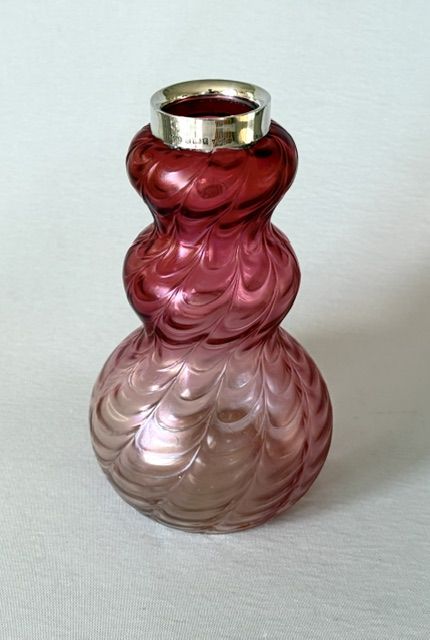
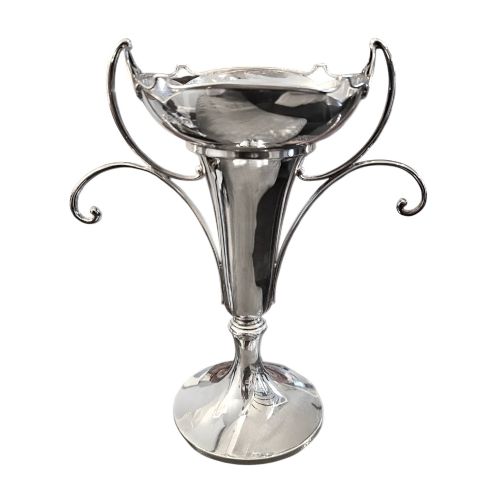
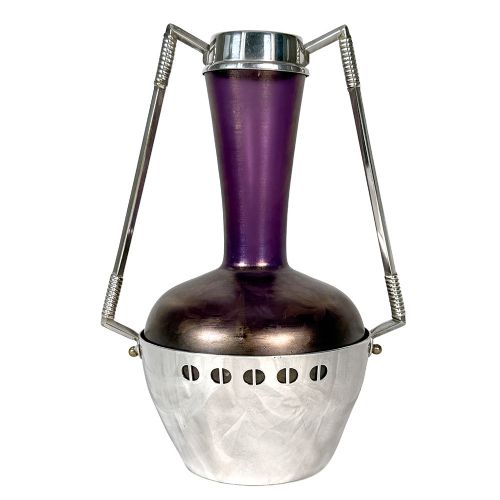
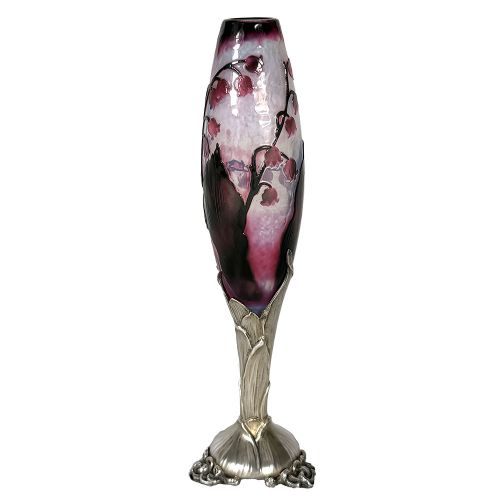
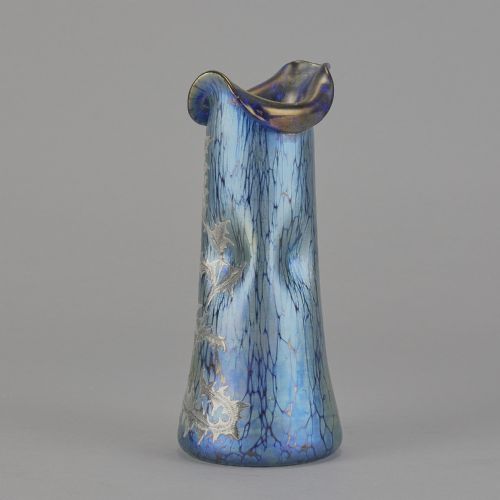
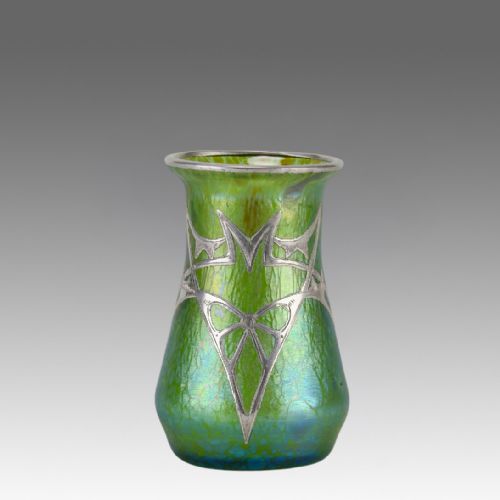
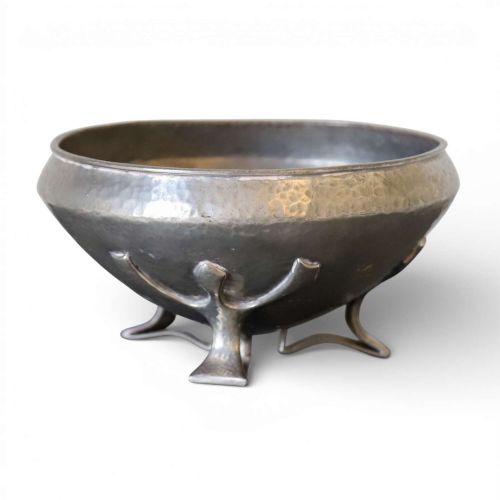
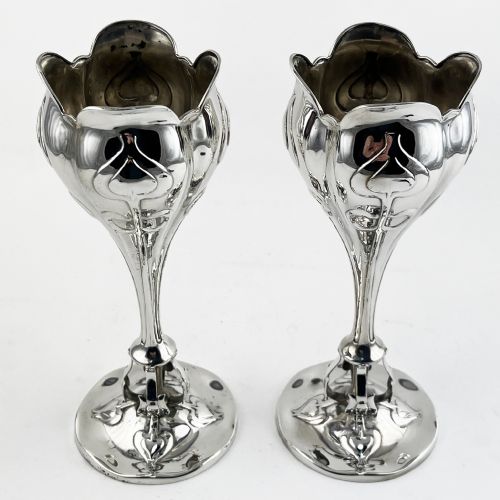
An art nouveau silver vessel encompasses a striking variety of decorative forms, including vases, bowls, chalices, and tankards created during the height of the movement. Collectors searching for an art nouveau silver vessel will encounter pieces executed in sterling silver, silver plate, and pewter, often combined with iridescent glass or cobalt glass inserts. These objects reflect the distinctive aesthetic of international design currents such as Arts and Crafts, Vienna Secession, and Jugendstil.
The pieces available on this page span several decades around nineteen hundred, capturing both British and continental manufacturing traditions. Vases featuring silver overlay upon Loetz glass sit alongside sturdy pewter bowls and substantial sterling loving cups. Each variant demonstrates the characteristic botanical motifs and whiplash lines that define the period's output.
Distinctions in quality and execution
Quality in these vessels rests upon the crispness of the casting and the harmonious integration of differing materials such as glass and metal. Finer examples display meticulous attention to detail in organic ornament and figural modelling, whereas simpler items rely solely on standard factory production methods.
The reputation of the maker and the complexity of the design heavily influence the standing of a piece within the range. Works attributed to notable firms and designers demonstrate superior handling of proportion and material finish compared to anonymous commercial output.
Art Nouveau Silver Vessel Retail Price Guide 2026
Typical asking prices for art nouveau silver vessel among the pieces listed under this phrase on Sellingantiques today, from the lower quarter to the upper quarter. They describe what is for sale here now, not the wider market.
Figural maiden vases incorporate delicate pewter handles that double as outstretched arms.
Liberty & Co Tudric·Loetz Witwey·Johann Loetz·Loetz Witwe·WMF·Joseph Rodgers & Sons·Ferdinand von Poschinger·Royal Doulton·Gorham
The Art Nouveau Silver Vessel Glossary
- Sterling silver
- A silver alloy containing ninety-two point five percent pure silver by mass, valued for its durability and bright lustre in decorative metalwork.
- Iridescent glass
- Glass treated with metallic salts to produce a shimmering, rainbow-like surface sheen, frequently mounted in metalwork during the early twentieth century.
- Pewter
- A malleable tin alloy utilised by metalsmiths to cast vessels with rich textural relief and low-lustre grey tones.
- Silver overlay
- A technique where molten silver is applied directly onto a glass or ceramic body in decorative patterns before being electroplated.
- Jugendstil
- The German manifestation of the wider Art Nouveau movement, characterised by linear abstraction and naturalistic plant forms.
Art Nouveau Silver Vessel: Frequently Asked Questions
What defines an art nouveau silver vessel?
These vessels are defined by their use of organic forms, plant motifs, and flowing sinuous lines characteristic of turn of the century design.
They frequently combine silver or pewter with glass bodies, reflecting the cross-disciplinary decorative arts movement of the period.
How were glass and silver combined?
Artisans applied silver mounts to the rims and bases of glass vessels, or used electroplating to create intricate silver overlay designs directly onto the glass surface.
This required skilled collaboration between glasshouses and metalworkers to ensure secure bonding and balanced proportions.
What is Tudric pewter?
Tudric was a trade name used by Liberty and Company for their high-grade pewter homeware range during the early twentieth century.
These pieces often featured designs by prominent Arts and Crafts metalworkers such as Oliver Baker.
Where were these pieces made?
The pieces originate from various European and British workshops, spanning British firms, German manufacturers, and Austrian glassworks.
Different regional centres developed distinct stylistic interpretations, ranging from British Arts and Crafts restraint to continental Jugendstil exuberance.