




Art Nouveau Silver Handle
These art nouveau silver handle pieces combine organic plant-form metalwork with functional design, offering tactile historical elegance for daily use.
Art Nouveau Silver Handle
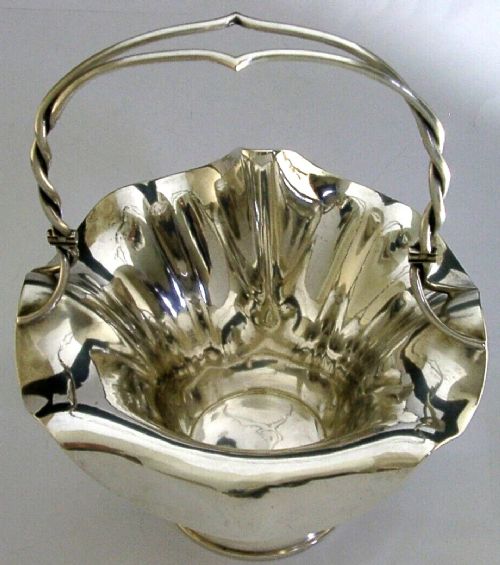
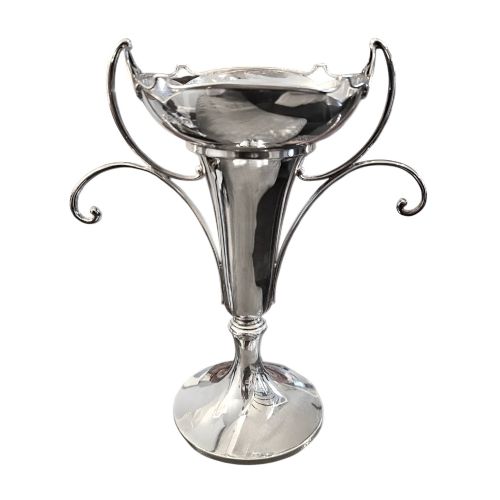
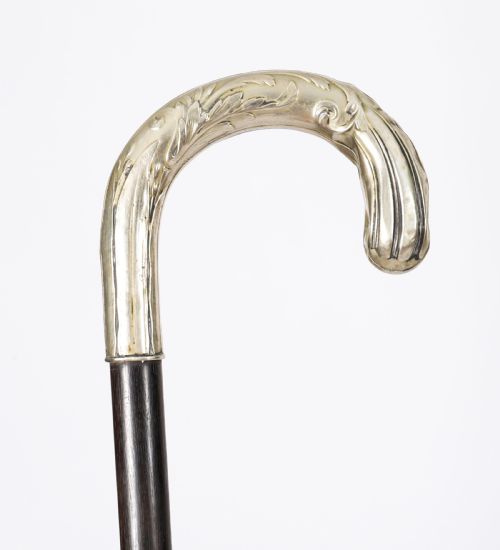
Art nouveau silver handle pieces encompass various decorative and functional domestic objects created during the late nineteenth and early twentieth centuries. The selection available here includes sterling silver vases, heavy solid silver baskets, glass claret jugs, walking canes, caddy spoons, wall mirrors, and door pull handles.
The dominant aesthetic draws heavily upon organic plant motifs, whiplash lines, and flowing flora characteristic of the era. Buyers frequently encounter German silver-plated metalwork alongside British sterling silver and pewter wares from this period.
Items range from domestic tableware such as swing-handled baskets and decanters to architectural elements like door pulls and walking stick handles. Each piece displays the characteristic sinuous curves and asymmetrical detailing defining the international style.
Materials and technique
Makers utilised a combination of sterling silver, silver plate, pewter, and brass, frequently pairing metal mounts with clear or coloured glass liners and hardwood elements. Pewter formulations such as Tudric allowed workshops to cast complex, low-relief organic patterns with deep grey patination.
Silversmiths and metalworkers employed casting, hand-hammering, and delicate piercing techniques to achieve the flowing, plant-inspired contours typical of the movement. Handles and mounts were often cast separately before being soldered or riveted to glass bodies, wooden shafts, or metal vessels.
Art Nouveau Silver Handle Retail Price Guide 2026
Typical asking prices for art nouveau silver handle among the pieces listed under this phrase on Sellingantiques today, from the lower quarter to the upper quarter. They describe what is for sale here now, not the wider market.
Listings feature items spanning the Victorian, Edwardian, and mid-twentieth-century periods, constructed from sterling silver, silver plate, pewter, brass, glass, and hardwood.
Assessing quality
The distinction between standard production items and exceptional works lies in the crispness of the cast detail and the harmony between metal mounts and glass or wood components. Superior examples exhibit hand-chased finishing that softens factory edges and accentuates the naturalistic flow of the design.
Maker attribution significantly influences the standing of a piece, with designated designers and prominent manufacturing houses commanding greater recognition for their sculptural ambition. The structural integrity of handle attachments and the preservation of original glass inserts also determine the desirability of surviving items.
Edward Souter Barnsley·Archibald Knox for Liberty·Joseph Rodgers and Sons
The Art Nouveau Silver Handle Glossary
- Sterling silver
- An alloy containing ninety-two point five percent silver by mass, with the remainder consisting of other metals like copper for durability. British pieces typically bear full hallmarks indicating the assay office, maker, and year of assay.
- Silver plate
- A base metal substrate, commonly brass, pewter, or copper, coated with a thin layer of silver through electroplating or old Sheffield plating techniques. This method allowed manufacturers to produce decorative items at a lower cost.
- Tudric
- A trade name used by Liberty and Co for their range of pewterware produced during the early twentieth century. These pieces often incorporated enamel cabochons and stylized plant motifs.
- Claret jug
- A tabletop vessel designed for serving red wine, usually featuring a glass body fitted with an elaborate metal handle, collar, and hinged lid. Metal mounts often incorporate naturalistic floral tendrils forming the grip.
Art Nouveau Silver Handle: Frequently Asked Questions
What defines art nouveau handles?
Art nouveau handles are distinguished by their asymmetrical, flowing lines inspired by natural forms such as stems, vines, and flower buds. Designers of the period sought to eliminate rigid geometric shapes in favour of organic movement.
These grips were applied to everything from walking canes and domestic silver baskets to door pulls and decanters, making functional objects feel like sculptural art.
How do I identify silver plate?
Silver plate items consist of a base metal, such as brass or white metal, covered with a thin outer layer of pure silver. They lack the official sterling silver hallmarks and instead frequently feature maker marks indicating electroplating methods.
Over decades of use, the underlying base metal may show through high points where the silver layer has worn away through polishing.
How should I clean silver pewter?
Pewter requires gentle cleaning with warm soapy water and a soft cloth to preserve the historic surface patina. Harsh commercial silver dips can strip away the dark oxide finish that highlights the cast details.
Thorough drying prevents water spotting, and occasional waxing with microcrystalline wax helps protect the metal from atmospheric oxidation.
Are glass inserts original?
Original glass liners and bodies fit the contours of the metal mounts precisely without excessive movement or gaps. Claret jugs and hors d'oeuvre dishes relied on blown or moulded glass specifically manufactured to match the metal frame.
Replacement glass is common in surviving domestic wares due to accidental breakage over the course of a century or more of use.