





Art Nouveau Picture Frame
An art nouveau picture frame brings the fluid, organic lines of the turn of the twentieth century directly to your desk or wall.
Art Nouveau Picture Frame
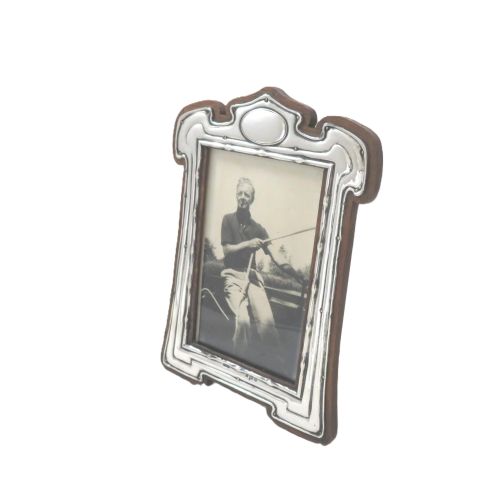
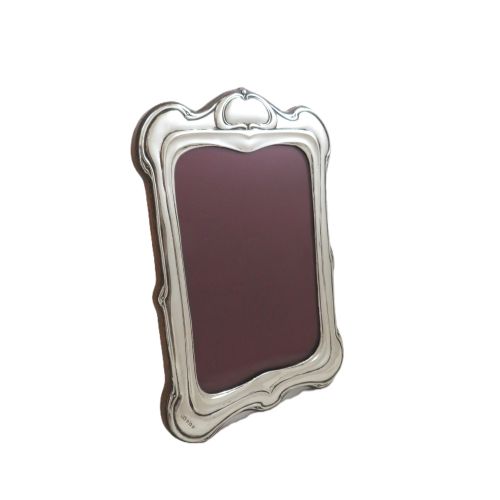
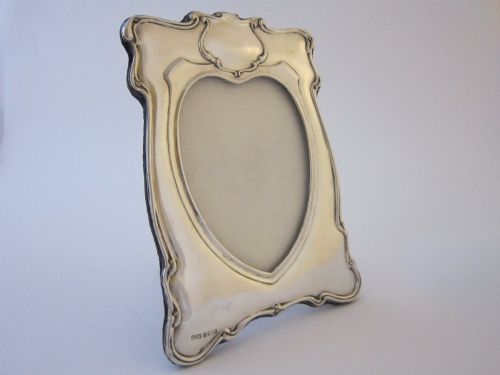
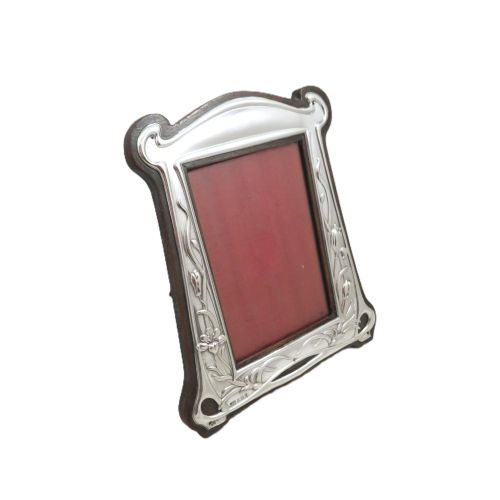
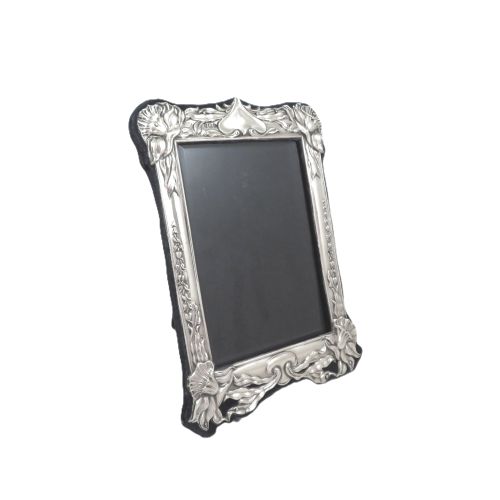
When you search for an art nouveau picture frame, you encounter objects created primarily around 1900, spanning the Victorian, Edwardian, and later periods. The selection on this page centres heavily on sterling silver photo frames alongside brass, copper, pewter, giltwood, and cast bronze examples.
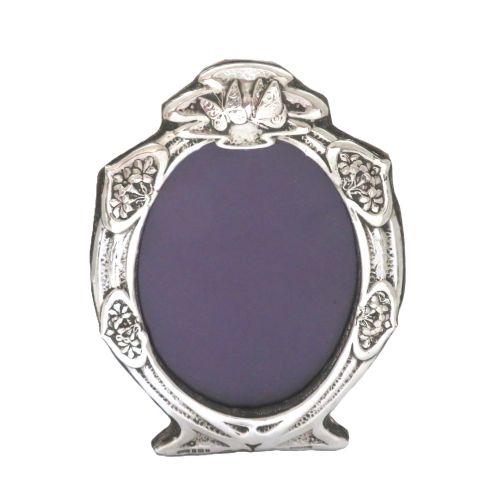
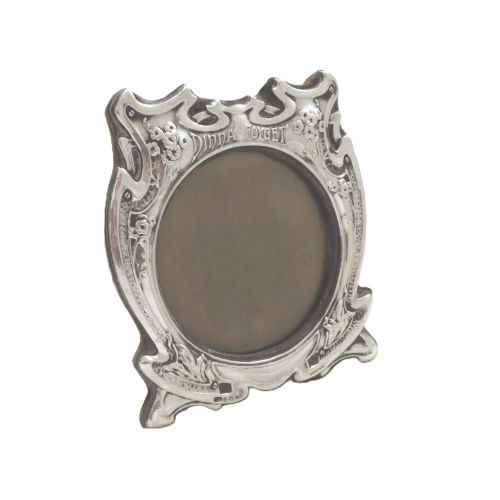
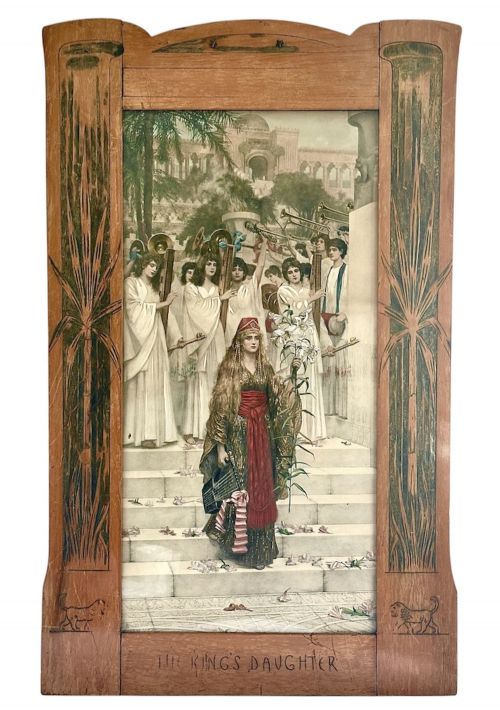
The objects take many shapes, from small oval and heart-shaped photo holders to large rectangular and circular frames. You will also find related pieces such as framed prints, lockets, and watercolours sharing the same stylistic vocabulary.
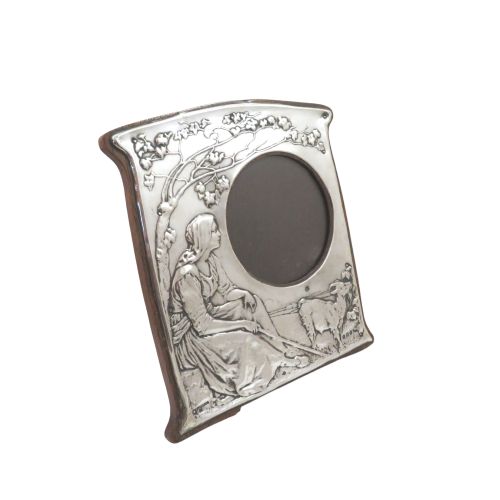
Makers and workshops produced these pieces in England and France, incorporating characteristic motifs like stylised flowers, cherubs, butterflies, and organic vegetal reliefs. The domestic photograph frame remains the version you meet most frequently.
Materials and Technique
Silversmiths and metalworkers shaped sterling silver, brass, copper, and pewter using techniques like repousse, embossing, and planishing to achieve the characteristic raised floral and plant motifs. Many metal frames incorporate wooden backs supported by velvet or fabric linings and folding struts.
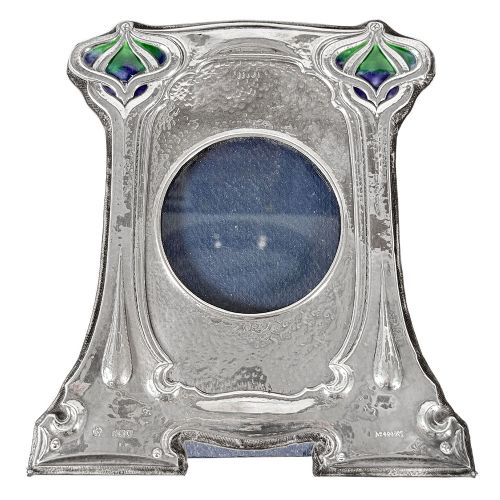
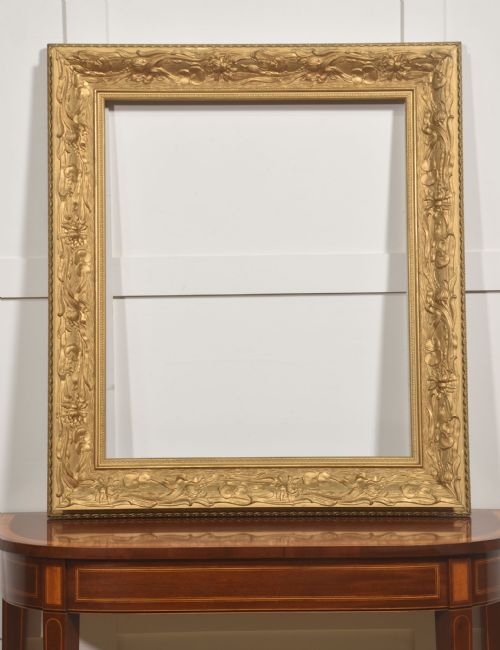
Wooden and cast metal examples rely on giltwood, gesso, and cast bronze, sometimes enhanced with gold leaf. Guilds and makers like William Hutton and Sons also applied enamel work to silver surfaces during the Arts and Crafts period.
Art Nouveau Picture Frame Retail Price Guide 2026
Typical asking prices for art nouveau picture frame among the pieces listed under this phrase on Sellingantiques today, from the lower quarter to the upper quarter. They describe what is for sale here now, not the wider market.
Listings feature sterling silver, brass, copper, pewter, giltwood, and cast bronze materials across Victorian, Edwardian, and 1900 periods.
Evaluating Quality
The distinction between tiers rests upon the depth and crispness of the metalwork relief and the integrity of the underlying construction. Superior silver and bronze pieces display hand-finished chasing and repousse work where the stylised floral and organic contours remain sharp and deep.
Materials and structural completeness dictate longevity, particularly the survival of original wooden backs, glass panels, and velvet or fabric linings. Examples retaining clear hallmarks, undamaged enamel, and robust structural joints stand clearly apart from mass-produced or heavily worn alternatives.
William Hutton and Sons·Herbert Gustave Schmaltz·Eduard Veith
The Art Nouveau Picture Frame Glossary
- Repousse
- A metalworking technique where the artisan hammers the design from the reverse side to form a raised relief on the front. This method defines the floral and organic ornamentation seen on metal picture frames.
- Planished
- A surface texture created by hammering metal with a polished tool, leaving small, controlled facets across the silver or copper. This finish scatters light subtly across domestic objects.
- Gesso
- A plaster-like mixture applied to wood frames as a base for gilding or painting. Artisans mould this substance into relief decorations before applying gold leaf.
- Photogravure
- A photographic printing process that produces rich tonal images from a copper plate. These prints frequently appear within original Edwardian and Victorian frames.
- Pewter
- A malleable metal alloy containing tin, copper, and antimony used for decorative cast vessels and frames. French workshops utilised this material extensively during the aesthetic movement.
Art Nouveau Picture Frame: Frequently Asked Questions
How do I date an art nouveau picture frame?
Dating relies heavily on British silver hallmarks, maker marks, and registration numbers stamped into the metal margins. Stylistic clues such as stark geometric influences point toward later Edwardian or 1920s variants.
Materials also help establish age, as cast bronze and heavy repousse silver dominate the core turn-of-the-century period around 1900. Comparing the structural backing and fastening mechanisms provides further confirmation of the manufacturing era.
What is the difference between art nouveau and arts and crafts frames?
Art nouveau frames focus on sinuous, asymmetrical plant stems, whiplash lines, and organic floral shapes. Arts and crafts examples tend to emphasise honest construction, visible hand-hammering, and enamel insertions.
While the movements overlap chronologically around 1900, arts and crafts pieces often display a simpler, more robust architectural sensibility. Both styles frequently cross paths in British silver workshops of the period.
How were these frames displayed originally?
Most domestic photo frames sat upon writing desks, mantelpieces, or piano tops supported by folding wooden struts. Large giltwood and gesso picture frames hung on walls to display watercolours, prints, or photographs.
Desktop frames were designed to be portable, allowing families to move cherished portraits easily around the home. Velvet and fabric backing protected polished wooden furniture surfaces from direct abrasion.