




Art Nouveau Pedestal
An art nouveau pedestal brings organic lines and flowing floral motifs to your rooms, lifting plants and decorative objects into the light.
Art Nouveau Pedestal
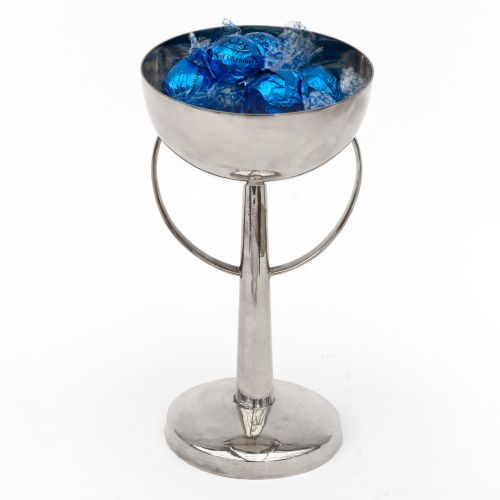
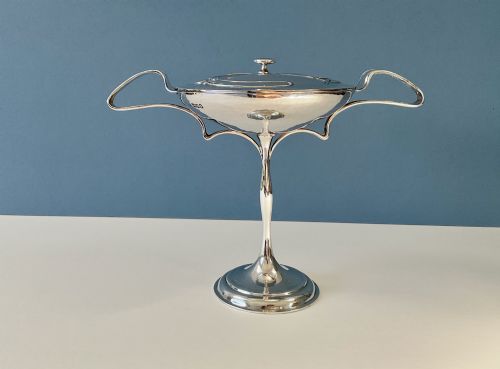
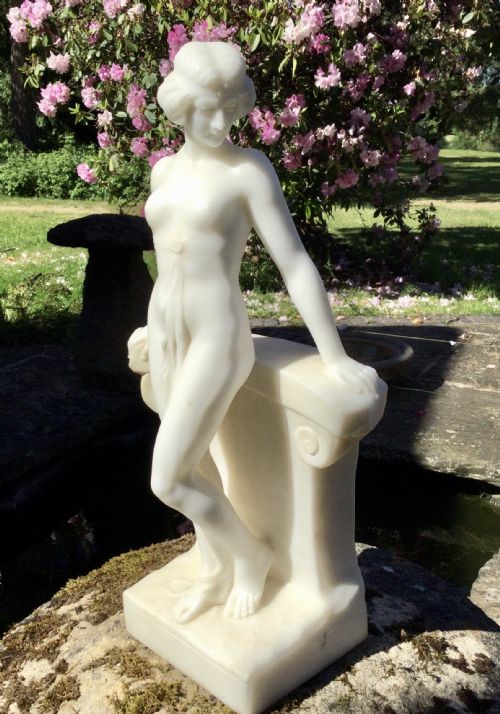
When you search for an art nouveau pedestal, you encounter tall stands, plant supports, and jardiniere holders designed during the late nineteenth and early twentieth centuries. These pieces lift bowls, sculptures, and greenery off the floor to display them with sculptural elegance.
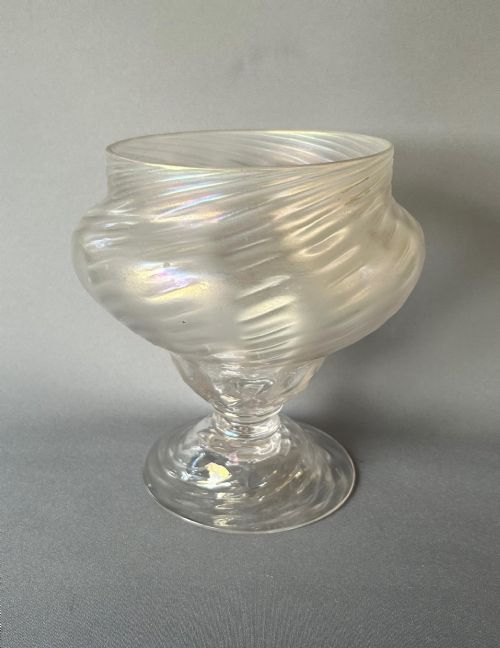
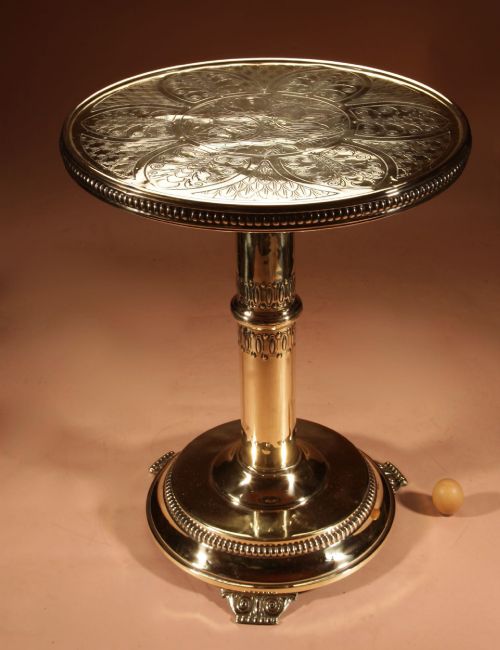
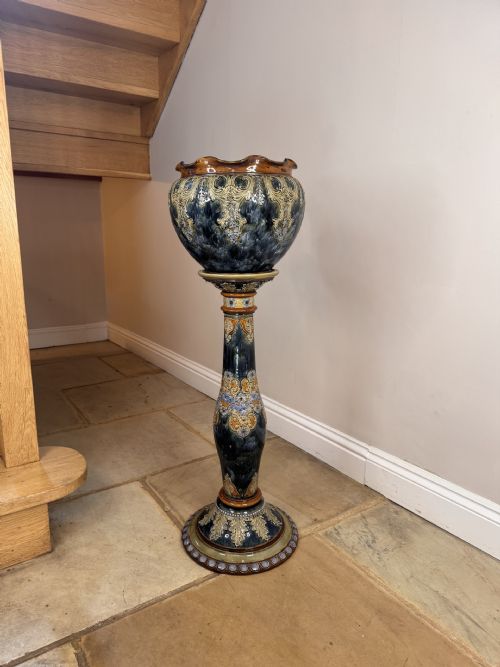
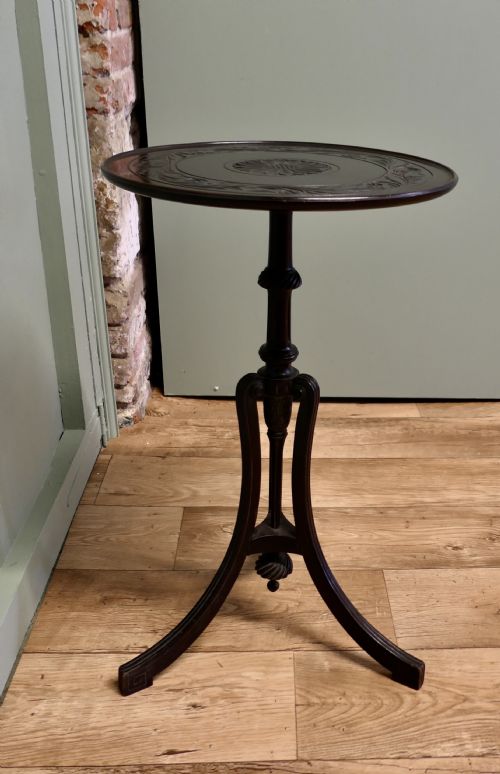
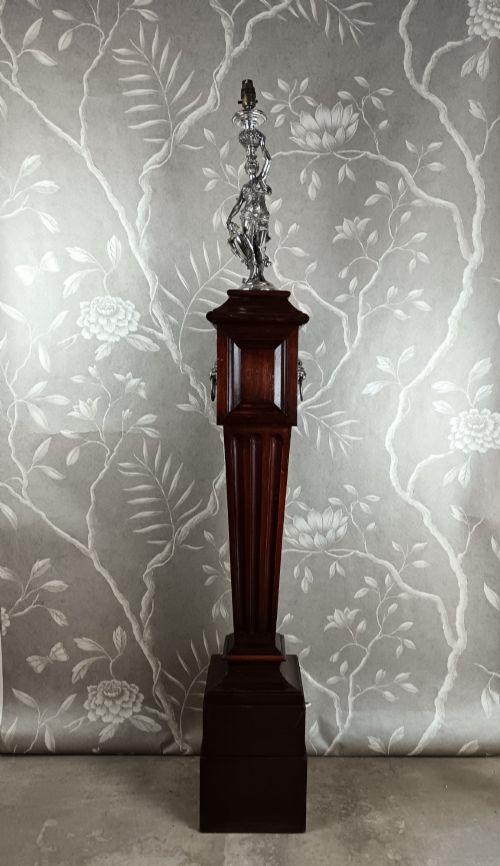
The selections span from Edwardian mahogany plant stands to brass scroll bases with marble tops, reflecting the international spread of the movement. You will frequently find versions executed in glazed ceramic, mahogany, and brass alongside specialised stands made for specific jardiniere bowls.
Materials and construction
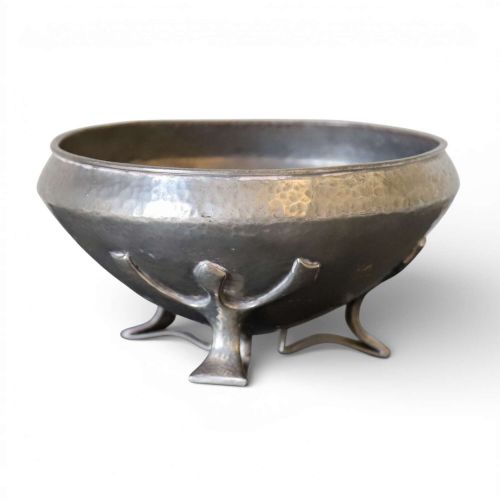
Woodwork relies heavily on mahogany, often shaped with curved silhouettes or inlaid details, whilst metalwork utilises cast brass, silver plate, and pewter. These materials allow makers to achieve the characteristic whiplash lines and vegetal asymmetry defining the aesthetic.
Combinations of stone and metal appear frequently, pairing heavy marble tops with intricate brass scroll bases or cast bronze elements. Ceramic stands integrate glazed earthenware and lustre finishes, uniting structure with colourful surface decoration.
Art Nouveau Pedestal Retail Price Guide 2026
Typical asking prices for art nouveau pedestal among the pieces listed under this phrase on Sellingantiques today, from the lower quarter to the upper quarter. They describe what is for sale here now, not the wider market.
Listings feature pieces spanning the Victorian, Edwardian, and 1930s periods, executed in brass, mahogany, marble, and glazed ceramic.
Distinguishing quality
Quality rests in the precision of the casting and the crispness of the carving, separating fluid, purposeful artistic forms from rigid commercial copies. Superior examples display seamless integration between the stand and the vessel it supports, with balanced proportions and carefully finished surfaces.
The choice of materials dictates the standard of the piece, with genuine marble insertions, heavy-gauge brass, and specialist lustre glazes marking out the upper tier of production. Maker attribution and refined patination further elevate the standing of an individual piece.
Bulstrode Cambridge·Oliver Baker·WMF·Clement Massier·Minton·Julius Dressler·Wedgwood·Daum·Eichwald·E.Villanis·Orivit·Christofle et Cie
The Art Nouveau Pedestal Glossary
- Art Nouveau
- A decorative style active from roughly the late nineteenth century to the First World War, characterised by sinuous, flowing lines inspired by natural forms. It rejected historic revivalism in favour of organic asymmetry.
- Jardiniere
- An ornamental pot or stand designed to hold a plant or floral arrangement. They appear in glazed ceramic, earthenware, and metal.
- Jugendstil
- The German variant of the Art Nouveau movement, named after the Munich art magazine Die Jugend. It shares the same organic vocabulary and linear grace.
- Secessionist
- A style associated with various Central European art associations that broke from traditional academic institutions. Vienna Secessionist works often display geometric abstraction alongside floral elements.
- Tazza
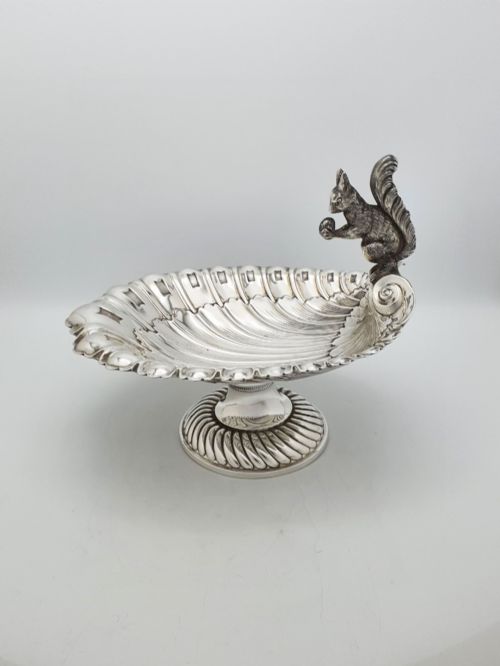
- A shallow ornamental cup or vase mounted on a stem and foot. They are frequently cast in silvered metals or shaped from glass during this period.
Art Nouveau Pedestal: Frequently Asked Questions
What is an art nouveau pedestal used for?
These tall stands provide a decorative platform for displaying plants, bronze sculptures, and ceramic jardinieres within a room.
By elevating objects off the floor, they draw the eye upward and showcase decorative vessels from multiple angles.
How do I identify this style?
Look for whiplash lines, asymmetrical floral motifs, and stylized plant forms that depart from strict classical symmetry.
The use of natural materials like carved mahogany, polished brass, and glazed ceramic further signals the aesthetic.
Where were these pieces made?
Production spanned across Europe, encompassing British workshops, French studios, German metalwork factories, and Italian makers.
Different regions favored distinct materials, from mahogany in Britain to silvered bronze and pewter on the continent.
How do I care for wooden stands?
Keep wooden stands away from direct heat sources and strong sunlight to protect the mahogany finish and prevent timber splitting.
Dust regularly with a soft cloth and apply appropriate furniture wax sparingly when the surface loses its lustre.