


Art Nouveau Metal Vessel
An art nouveau metal vessel brings fluid floral and organic lines into domestic spaces through hammered copper, pewter, and bronze.
Art Nouveau Metal Vessel
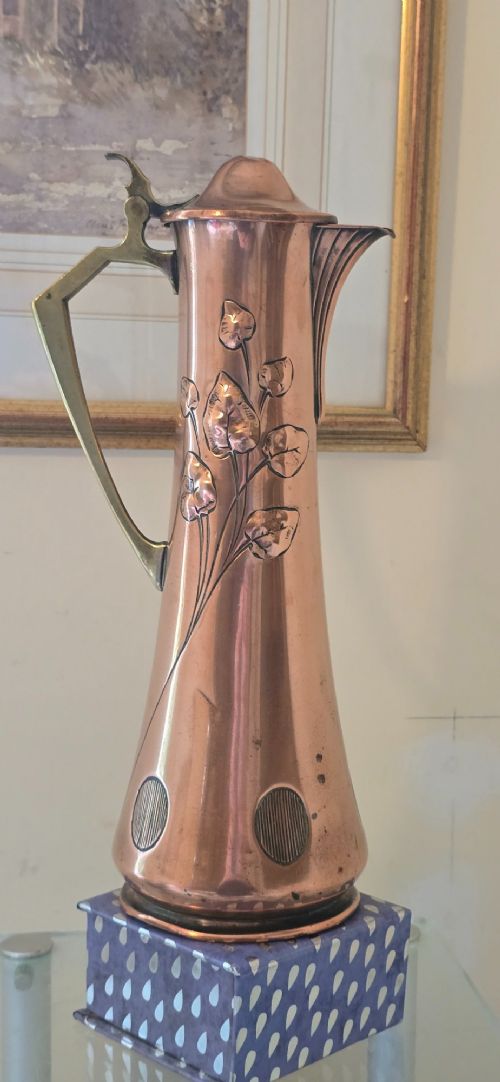
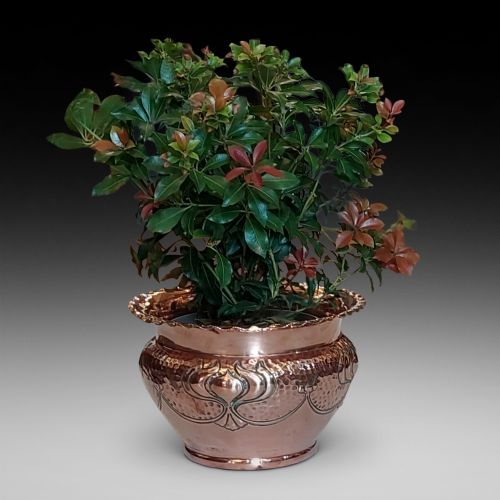
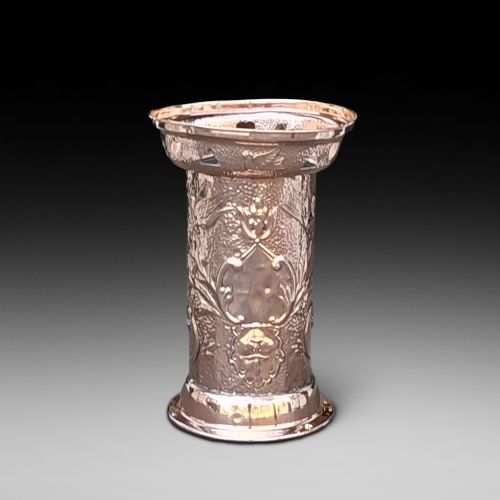
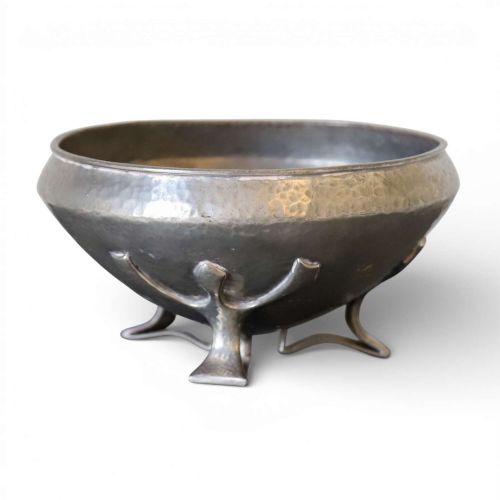
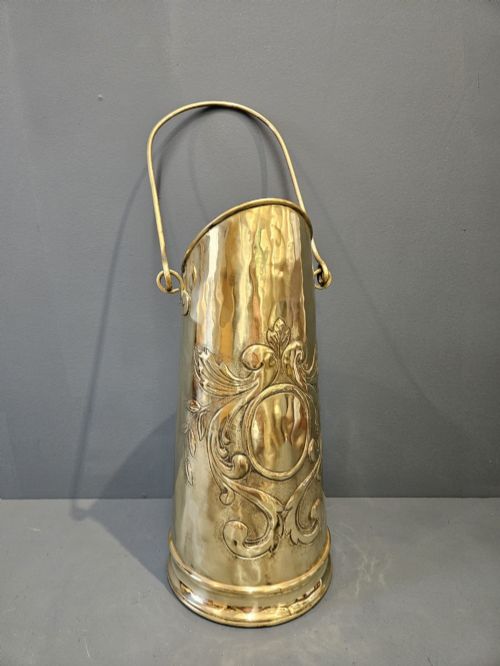
When searching for an art nouveau metal vessel, collectors encounter a diverse selection of domestic objects spanning vases, planters, tankards, and coal scuttles. The pieces appearing most frequently on this page date predominantly from around nineteen hundred, capturing the height of the international stylistic movement.
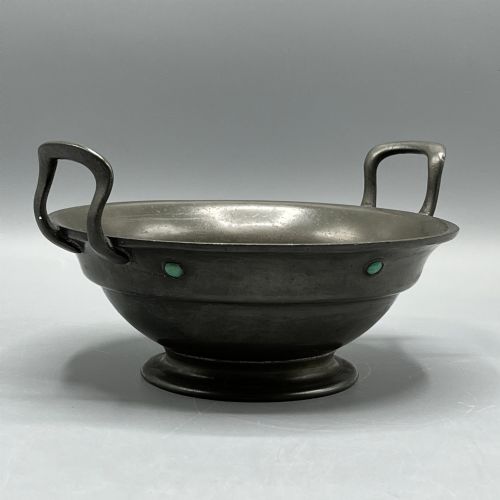
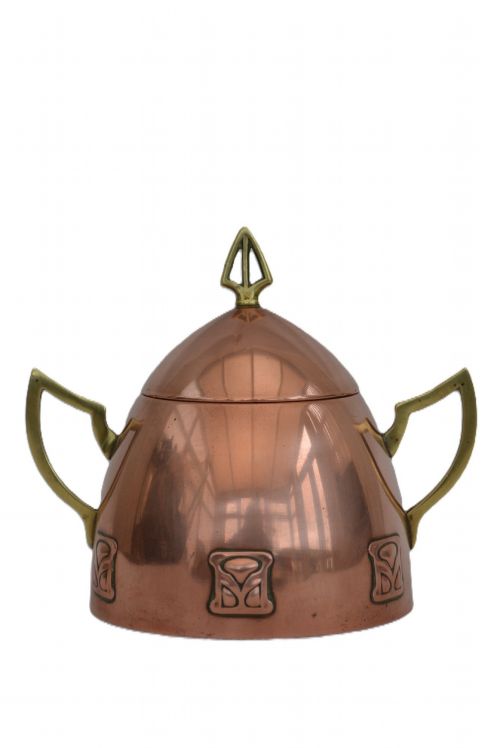
Makers utilised various base metals to shape functional and decorative items, drawing heavily on organic motifs such as trailing foliage, seed pods, and stylized human figures. Examples range from small sugar basins and porringer bowls to large umbrella stands and centrepiece urns.
The aesthetic bridges several related design movements, incorporating elements of the British Arts and Crafts movement alongside continental Jugendstil and Secessionist styles. Buyers find pieces shaped by major European metalwork manufacturers as well as independent studios working in copper, brass, and pewter.
Materials and construction methods
Smiths and manufacturers shaped these vessels using copper, brass, and pewter, often applying specialised patination or plating to achieve distinct surface tones. Pewter components frequently underwent casting and subsequent hand-finishing, whilst copper items show evidence of panel-raising and hand-hammering.
Decorative detailing relies on techniques such as repoussé relief work, where patterns are hammered from the reverse side, and chased surface engraving. Some works incorporate applied cabochons, glass inserts, or delicate plique-a-jour enamel panels to add colour and contrast to the metallic body.
Frogs, hops, and mistletoe frequently climb across the metallic surfaces of these turn-of-the-century vessels.
Judging execution and design
Quality in these metalwares rests on the crispness of the casting and the sensitivity of the hand-applied surface relief. Superior examples display deeply struck maker marks, clean solder joints, and harmonious proportions between the functional body and the organic ornamentation.
Lesser pieces exhibit flat, mechanical stamping and lack the deliberate sculptural depth seen in workshop-designed vessels. The retention of original patinated surfaces and intact cabochons or glass liners separates standard production items from master-designed studio pieces.
WMF·Liberty and Co·Oliver Baker·Joseph Sankey·Archibald Knox·Charles Korschann·Jean Dunand·Kayserzinn
The Art Nouveau Metal Vessel Glossary
- Tudric
- The proprietary trade name used by Liberty and Co for their high-quality pewter ware, often associated with leading designers of the period. These items typically bear model numbers stamped on the base.
- Jugendstil
- The continental German variant of the international art nouveau movement, named after the Munich art magazine Die Jugend. Pieces bearing this style designation often feature flowing, stylized botanical elements.
- Repoussé
- A metalworking technique where the artisan hammers the design from the reverse side to create a raised relief on the front. This method allowed makers to produce intricate floral and figurative panels on copper and pewter bodies.
- Plique-a-jour
- An enamelling technique resembling miniature stained glass, where enamel is fired in open cells without a backing metal. It allows light to pass through the translucent coloured glass areas of the vessel.
- Tyg
- A large drinking vessel featuring multiple handles, designed for communal passing around a table. In art nouveau metalwork, these are frequently cast in pewter with organic motifs like mistletoe or hops.
Art Nouveau Metal Vessel: Frequently Asked Questions
How do I clean an art nouveau metal vessel?
Dust gently with a soft, dry cloth to prevent accumulation in recessed relief areas.
Avoid abrasive polishes that strip away original patination, particularly on antique copper and patinated bronze surfaces.
Are pewter vessels safe for holding water?
Most antique pewter vessels serve primarily decorative purposes as vases, planters, or display bowls rather than functional drinkware.
Older pewter alloy compositions may react unfavourably with acidic liquids, so interior glass liners should be used where available.
How do I distinguish Arts and Crafts from Jugendstil?
Arts and Crafts metalwork typically emphasises visible hand-hammering, structural honesty, and Celtic revival motifs as seen in British pieces.
Jugendstil works lean towards fluid, asymmetrical botanical lines and botanical abstraction originating from continental European workshops.
What is the significance of stamped model numbers?
Manufacturers like Liberty and Co stamped specific numerical codes, such as Tudric numbers, to identify particular designs and their responsible artists.
These numbers help researchers match surviving vessels to historic trade catalogues and verify workshop production origins.