



Art Nouveau Jewellery Pin
Art nouveau jewellery pin designs bring botanical curves, enamel wings, and fine metals together in wearable miniature artworks.
Art Nouveau Jewellery Pin
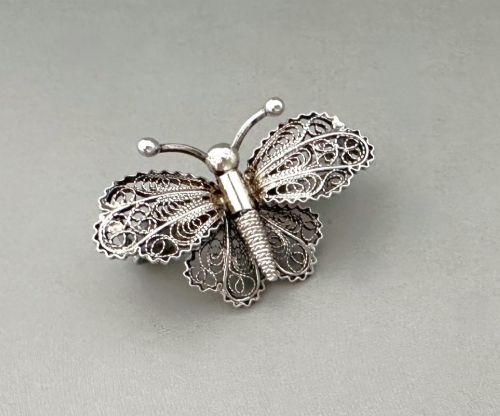
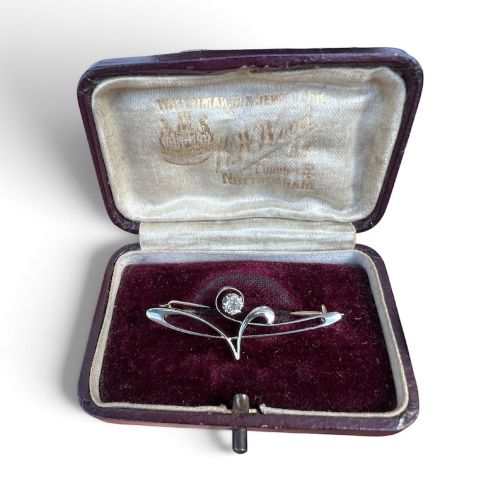
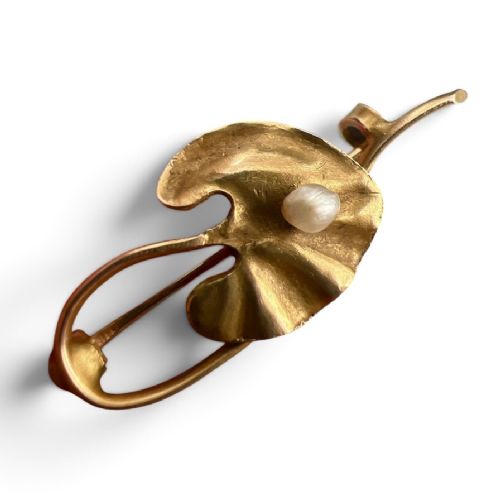
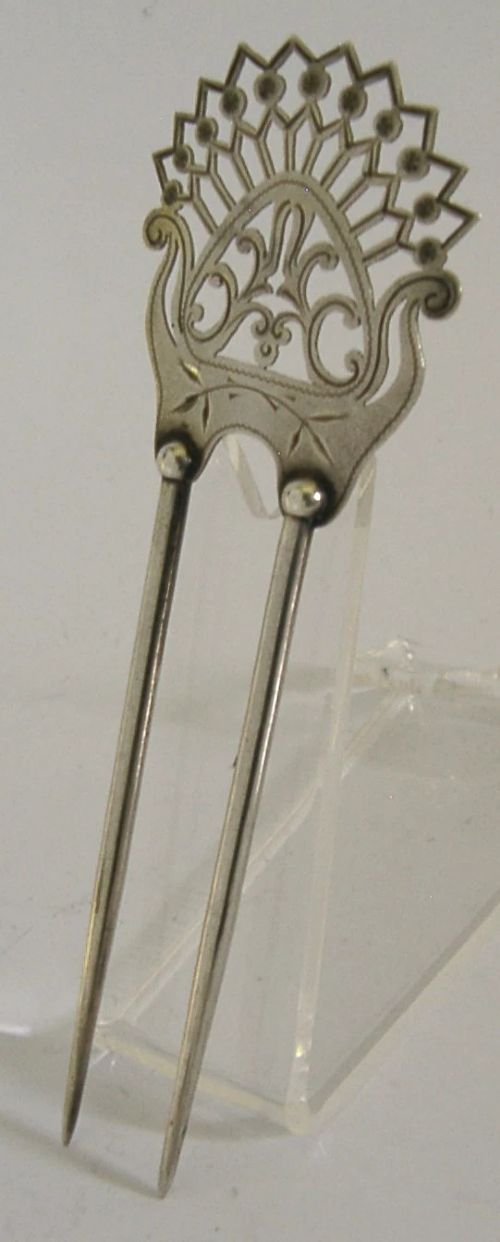
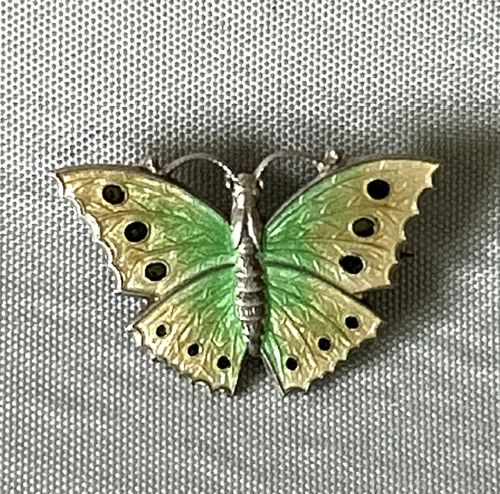
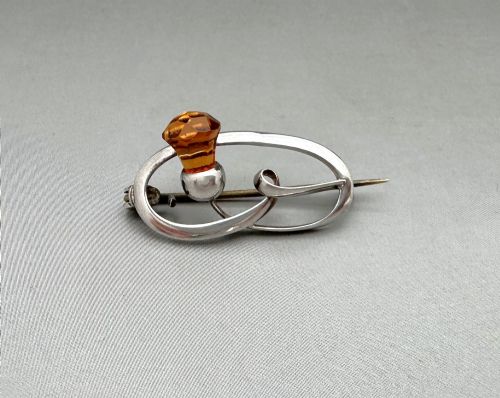
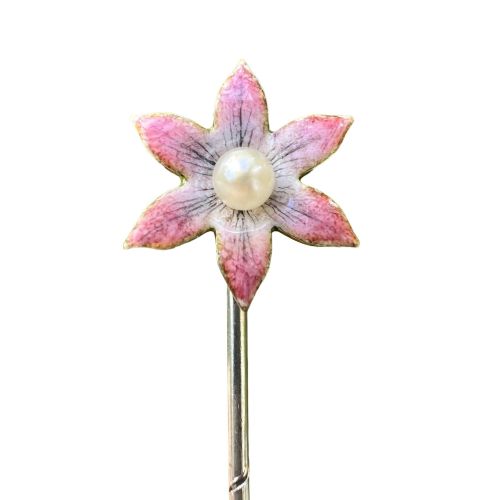
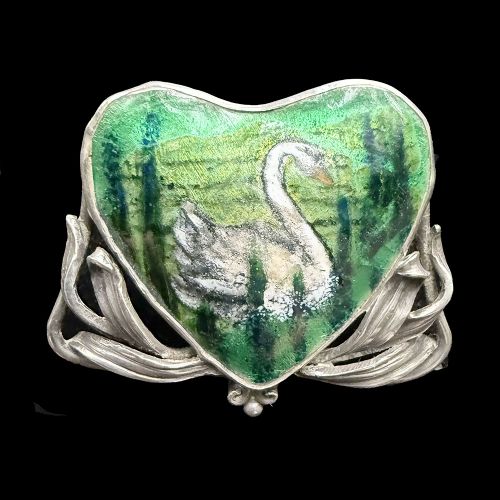
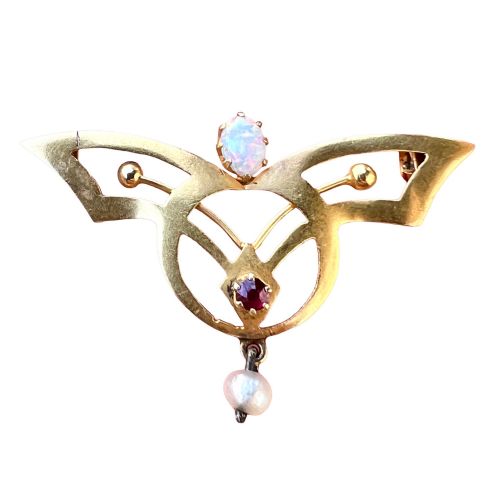
An art nouveau jewellery pin encompasses brooches, stick pins, hatpins, and hair accessories created across periods spanning the late nineteenth century through the early decades of the twentieth century, with Edwardian and Victorian examples appearing frequently. These pieces often take the form of fluid organic motifs, including butterflies, flowers, swans, and fairy figures rendered in sweeping symmetrical or asymmetrical lines. Buyers searching for an art nouveau jewellery pin will encounter items styled within the broader aesthetic movements of Jugendstil and Arts and Crafts.
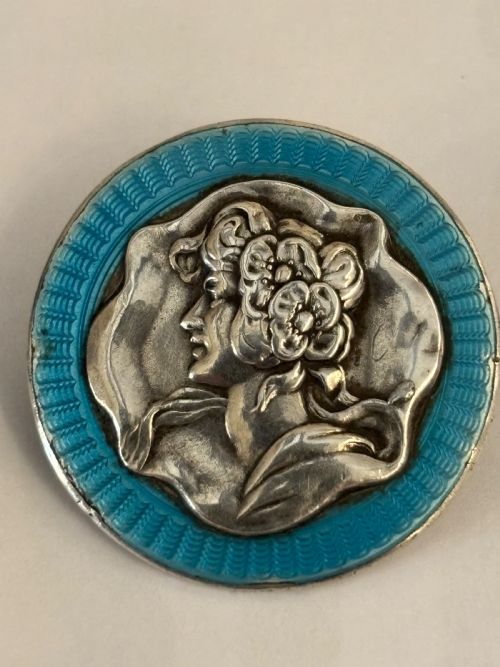
The materials utilised in these dress fastenings range from sterling silver and gold of various carats to base metals like pewter, enhanced by gemstones such as diamonds, pearls, opals, rubies, peridots, and moonstones. Enamel work, particularly guilloche and translucent plique a jour, defines the colour palette of many examples by catching the light through delicate metal cells. Forms vary from simple bar brooches to convertible pendant brooches and long hatpins designed to secure heavy hats.
Materials and construction methods
Metalsmiths shaped sterling silver, silver gilt, and high or low carat gold into sinuous frames using casting, filigree work, and hand fabrication. Platinum also appears alongside gold in diamond-set Edwardian mountings. These structural elements provide the secure armature necessary to hold fragile decorative elements.
Enamelling techniques such as plique a jour create stained-glass effects without a solid backing, allowing light to pass through coloured glass held within gold or silver wires. Stones including pearls, diamonds, amethysts, and moonstones are flush-set, bezel-set, or mounted in delicate claws to complement the organic flow of the metalwork.
A tiny silver snail carries its shell across a flower-strewn mount, proving that even garden pests received the high art nouveau treatment.
Evaluating the standard of execution
Quality rests upon the crispness of the hand-forming and the precision of the enamel work, where translucent cells remain intact and free from heavy clouding or restoration. Superior examples display thoughtful integration between the central gemstone or enamel motif and the surrounding metal tendrils.
H H Curtis·Charles Horner·Levinger and Bissinger·Georg Jensen·Murrle Bennet and Co·Gustav Gaudernack·Meyle and Mayer·Rene Lalique
The Art Nouveau Jewellery Pin Glossary
- Plique a jour
- An enamelling technique where enamel is applied to open cells without a backing, resembling miniature stained glass. This method requires great skill from the jeweller to prevent the glass from cracking during firing.
- Guilloche
- Enamel applied over a metal surface that has been machine-turned with an intricate geometric pattern. The underlying engraving shines through the translucent enamel layer.
- Jabot pin
- A decorative pin historically used to fasten the jabot frills on a shirt or cravat. These pieces feature an ornamental terminal at each end of a long pin stem.
- Stick pin
- A long pin with an ornamental head, worn upright in a lapel, tie, or scarf. The slender shaft is typically secured at the back with a small cap or clutch.
- Jugendstil
- The continental German-language variant of the Art Nouveau movement. It shares the same emphasis on organic plant forms and flowing linear rhythms.
Art Nouveau Jewellery Pin: Frequently Asked Questions
How do I wear a hatpin safely?
Hatpins require a protective metal or rubber stopper secured to the sharp point after passing through both the hat and the hair. This prevents accidental injury while keeping heavy Edwardian millinery firmly in place.
Position the pin horizontally or diagonally through the crown of the hat, weaving it through the hair strands for a secure hold.
Were these pins used as pendants too?
Many examples feature a hidden hinged loop or small ring at the reverse, allowing the owner to suspend the piece from a chain as a pendant. This versatility made them valuable accessories for day and evening wear.
Converting a brooch into a necklace required no special tools, simply threading a fine gold chain through the integrated fold-down bail.
How do I distinguish Arts and Crafts from Art Nouveau?
Arts and Crafts pieces emphasise visible hand-hammered textures, simple construction, and cabochon stones like moonstones or turquoise set in heavy silver. Art Nouveau designs favour sinuous, whiplash lines, organic plant motifs, and translucent enamels.
Examining the metal surface and the overall silhouette reveals whether the maker prioritised rustic craft aesthetics or fluid naturalism.
Can I clean silver enamel safely?
Enamel is essentially glass fused to metal and requires gentle cleaning with warm water and mild soap using a soft cloth. Submerging antique jewellery in chemical dips or ultrasonic cleaners risks damaging delicate enamel and loosening pearls.
Dry the piece thoroughly afterwards with a soft lint-free cloth to protect both the precious metal and the glasswork.