


Art Nouveau Handles Vase
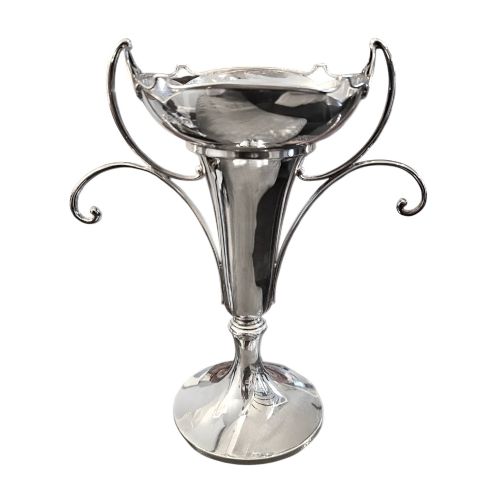
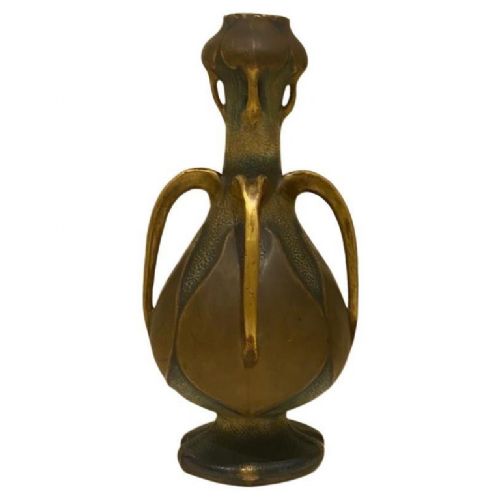
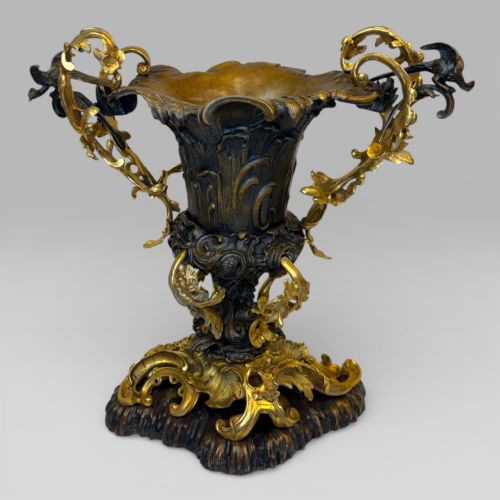
These art nouveau handles vase examples combine fluid botanical forms with practical vessels, offering collectors distinct organic grace.
Art Nouveau Handles Vase
When searching for an art nouveau handles vase, buyers encounter distinctive vessels defined by flowing handles and naturalistic motifs. These pieces bridge late nineteenth century production and Edwardian aesthetics, spanning diverse mediums from ceramics to metalwork.
The selections available here showcase prominent expressions of the style, including Jugendstil and French Belle Epoque designs. Vases and decorative urns dominate the offerings, frequently incorporating prominent twin or triple handles as integral structural elements.
Assessing craftsmanship and finish
Quality in these vessels rests upon the precision of the hand-finishing and the complexity of the glaze or metal patination. Superior examples display crisp relief modelling in the handles and harmonious integration of botanical motifs.
The execution of painted details, such as portraits or floral patterns, distinguishes workshop output. Refined pieces demonstrate careful control during firing or casting, preserving delicate organic forms without distortion.
Listings incorporate pieces from the 1890s through to the Edwardian period, alongside items produced later than 1960.
Sir Edmund Harry Elton·Royal Doulton·William Moorcroft·Royal Dux Bohemia·Alexandra Porcelain Works Ernst Wahliss·Kralik glass works·Kayserzinn·Joseph Rodgers & Sons·Paul Dachsel·Henry Dasson
The Art Nouveau Handles Vase Glossary
- Jugendstil
- The German variant of the Art Nouveau movement, characterised by dynamic, linear wave forms. It heavily influenced European metalwork and ceramics of the period.
- Slipware
- Pottery decorated with slip, a liquid clay mixture applied to the wet body before firing. This technique creates raised surface patterns and tactile depth.
- Tyg
- A large drinking vessel featuring multiple handles, allowing multiple hands to hold it. These forms were adapted into decorative vase designs during the late nineteenth century.
- Paste enamel
- Glassy compositions applied to metal surfaces and fired to produce vibrant coloured decoration. It provides rich hues akin to traditional cloisonne.
- Intarsio
- A distinctive earthenware ceramic type developed by Wileman, known for intricate printed and painted floral designs resembling inlay work.
Art Nouveau Handles Vase: Frequently Asked Questions
What defines an art nouveau handles vase?
These vessels are characterised by integrated handles that flow organically into the body, echoing natural forms like stems, roots, and vines. They reflect late nineteenth and early twentieth century design philosophies.
Craftsmen prioritized asymmetry and fluid lines over strict geometric symmetry, making the handles both functional and sculptural elements of the piece.
How do I identify Jugendstil pieces?
Jugendstil items originate from German-speaking regions and share the broader Art Nouveau focus on plant-derived motifs, yet often display a more graphic linear quality. Pewter objects and iridescent glass are common mediums for this regional variant.
Examining the maker marks and stylistic geometry helps separate these continental European works from contemporary British Arts and Crafts productions.
What materials were commonly used?
Makers worked extensively in earthenware, porcelain, and crystal glass, alongside metals like bronze, pewter, and silver. Surfaces were frequently enhanced with slipware, gilding, and iridescent glazes.
Choice of material often dictated the manufacturing technique, from handpainted ceramic bodies to delicate glass blowing and metal casting.
How should I display these vases?
Position these vessels where adequate lighting can highlight their glazes, iridescent finishes, or metal patination. Placing them on stable surfaces allows the complex handle structures to be appreciated from multiple angles.
Keep them away from direct heat sources and abrasive cleaning agents to preserve the delicate painted details and surface patinas.