


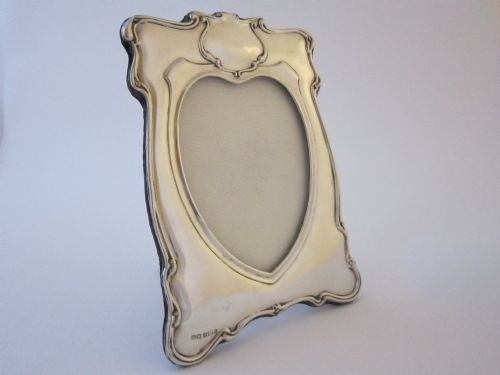
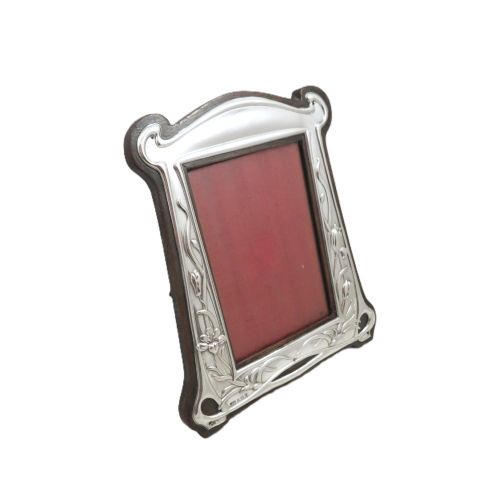
Art Nouveau Frame
When you look for an art nouveau frame, you find sweeping natural lines and cast metal work that bring organic movement straight to a wall or desk.
Art Nouveau Frame
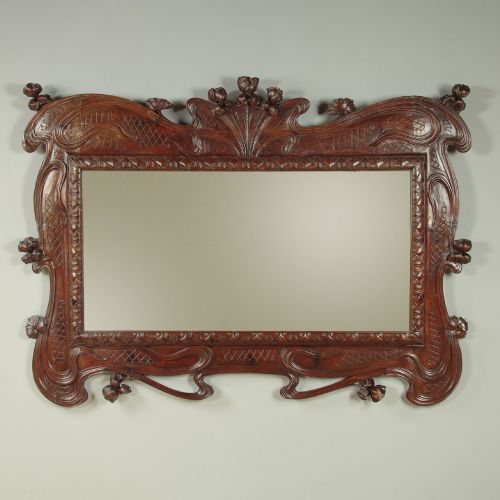
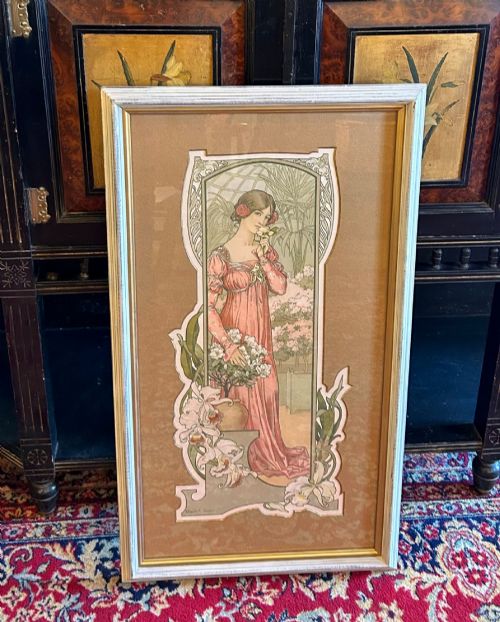
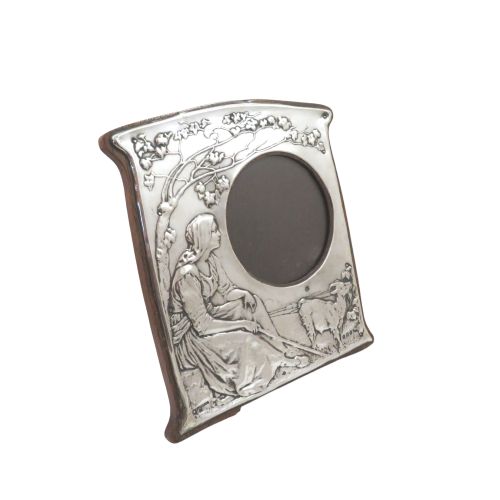
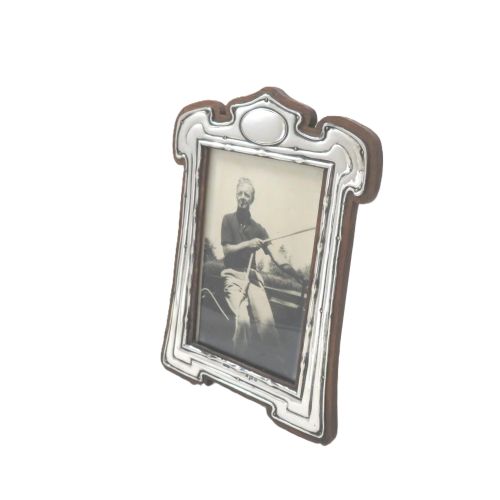
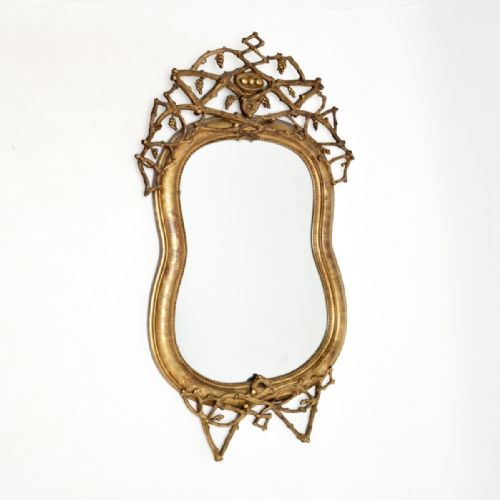
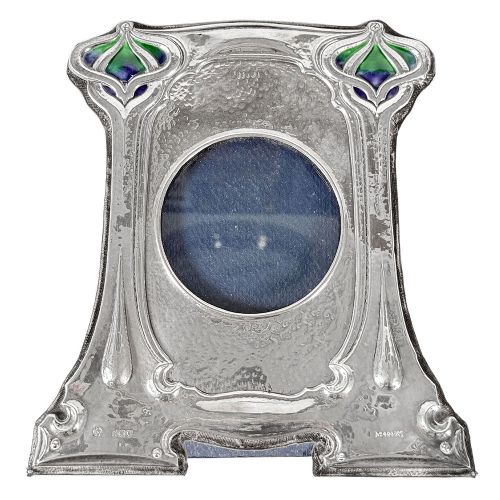
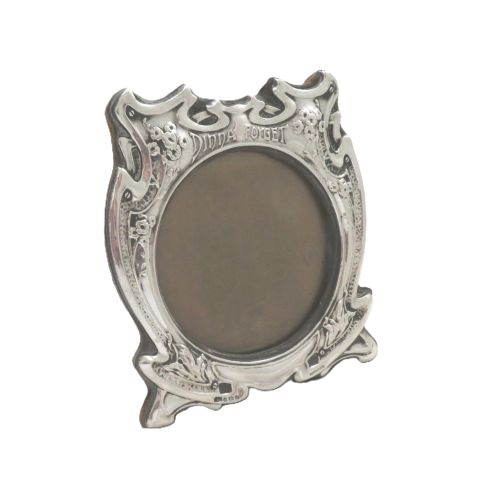
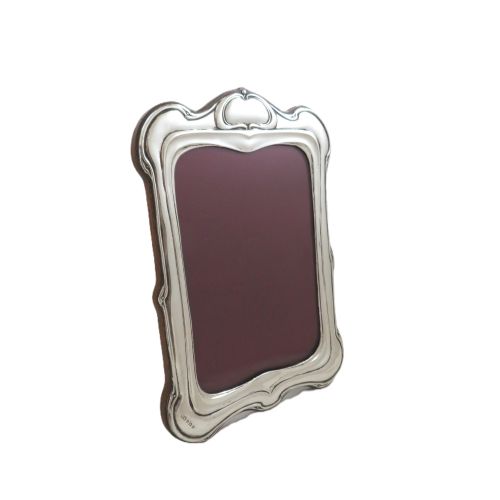
An art nouveau frame spans picture holders, photograph surrounds, and wall mirrors created during the late nineteenth and early twentieth centuries. These objects display the characteristic whiplash curves, stylized florals, and figurative motifs associated with the movement. The selection on this page relies heavily on sterling silver photo frames and gilt wood picture frames produced across the Edwardian and Victorian periods.
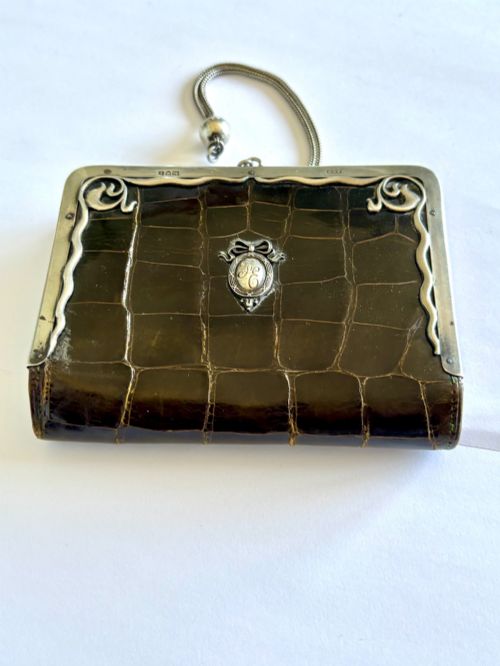
Makers also applied these sinuous aesthetics to brass, copper, pewter, and bronze items designed for domestic use. Alongside traditional wall and table mirrors, buyers encounter related accessories such as letter racks and vanity table items sharing the same decorative vocabulary. The pieces range in scale from small tabletop photograph holders to large architectural surrounds.
Stylistic crossover appears frequently between strict Art Nouveau and the concurrent Arts and Crafts movement. Makers adopted organic forms while utilising the hand-hammered surfaces and patinated metals championed by reformist designers of the era. This blend yields domestic objects that prioritize expressive craftsmanship alongside decorative utility.
How they were made
Metalsmiths utilised sterling silver, brass, copper, and pewter through casting, piercing, and repoussé techniques to achieve high relief naturalism. Silversmiths stamped hallmarks into precious metal photo frames, recording assay offices and dates of manufacture, while copper workers hammered sheets by hand. Gilders applied gold leaf to carved wood frames, building rich textured surfaces around mirrors and paintings.
Makers combined mixed media elements, embedding glass, velvet backings, wood supports, and enamel panels into metal frameworks. Pewter and bronze castings captured intricate details of birds, insects, and flowing maiden hair. These diverse fabrication methods allowed workshops to produce both mass-market stamped goods and individually chased presentation pieces.
Silver frames frequently star startled squirrels, leaping rabbits, and grumpy kingfishers peering out from the floral corners.
What varies in quality
Quality rests on the depth of hand-chasing, the crispness of the cast ornamentation, and the preservation of original surfaces. Pieces displaying deep relief work on sterling silver or finely detailed repoussé on copper demonstrate superior workshop execution compared to shallow stamped alternatives. The integrity of the structural joinery and the survival of original wooden backs or glass panels also influence the standing of an individual item.
Attribution to documented metalworking firms or retail houses elevates a piece beyond anonymous domestic production. Objects bearing clear hallmarks from recognised assay towns or stamps associated with influential retailers show higher standards of design conception. The harmony between the organic subject matter, such as kingfishers or floral tendrils, and the overall proportions dictates the success of the finished object.
William Hutton and Sons·John Collard Vickery·Erhard and Sohne·A and J Zimmerman·Henry Matthews·Laurence Emanuel
The Art Nouveau Frame Glossary
- Repoussé
- A metalworking technique where the artisan hammers metal from the reverse side to form a raised design in relief on the front. This method allowed craftsmen to create flowing floral and animal motifs on copper and silver photo frames.
- Hallmark
- An official stamp applied to precious metals indicating the standard of purity, the assay office, and the year of manufacture. British silver items frequently carry these marks to verify their exact age and maker.
- Pierced work
- A decorative process where metal is cut through to create openwork patterns and negative space. This technique highlights delicate stems, ribbons, and animal figures against the backing of the frame.
- Gilt wood
- Wood coated with a thin layer of gold leaf or gold paint to simulate solid gold surfaces. Victorian and Edwardian picture frames often utilised this technique to frame mirrors and artwork with reflective brilliance.
- Planished
- A metal surface finish achieved by hammering with a polished tool, leaving flat, light-reflecting facets across copper or silver. Arts and Crafts metalworkers favored this texture to display evidence of manual labour on domestic objects.
- Secessionist
- A Central European offshoot of the Art Nouveau movement characterised by geometric abstraction alongside organic curves. Objects from this design school utilise austere forms paired with stylized natural inlays.
Art Nouveau Frame: Frequently Asked Questions
How do I date a silver photo frame?
Check the reverse or borders for British hallmarks, which include a date letter corresponding to the exact year of assay. Maker marks and city symbols provide additional confirmation of the production period.
Compare the decorative motifs against known style timelines, as floral whipped lines typically point toward the turn of the twentieth century.
Are these frames suitable for modern photographs?
Many antique photo frames accommodate standard photographic prints, though historical sizing conventions differ slightly from modern measurements. You can easily insert contemporary pictures behind the original glass or replace backing boards securely.
Ensure the internal rebate dimensions match your photograph before mounting to prevent cutting or forcing historical paper goods.
How should I clean tarnished metal frames?
Use a soft microfiber cloth and a mild, non-abrasive silver or brass cleaner applied sparingly to lift surface oxidation. Avoid vigorous scrubbing on repoussé or pierced areas to preserve the delicate original relief work.
Keep chemical polishes away from velvet backings, enamel panels, and wood elements to prevent staining or structural degradation.
What is the difference between art nouveau and arts and crafts frames?
Art Nouveau frames emphasise asymmetrical, flowing natural lines inspired by plant stems and feminine forms. They often feature cast or chased silver and gilt surfaces.
Arts and Crafts frames focus on honest construction, hammered copper, and visible manual labour. They tend to display structured geometric formats alongside hand-wrought surface textures.