



Art Nouveau Fire Surround
These art nouveau fire surround pieces bring floral curves and metalwork into rooms from the Victorian, Edwardian and later eras.
Art Nouveau Fire Surround
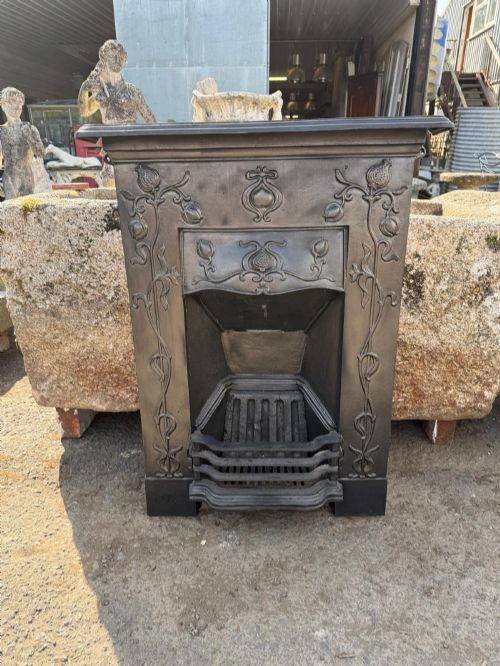
When you search for an art nouveau fire surround, you meet cast iron, mahogany, and brass structures designed to frame a hearth. The versions most common here span the Victorian, Edwardian, and 1920 periods, alongside related copper and brass fire fenders and kerbs.
Makers shaped these items in wood or metal to frame grates with organic lines and flowing plant motifs. You encounter wooden surrounds in mahogany and oak, some fitted with bevelled mirrors, alongside heavy cast iron combination fireplaces.
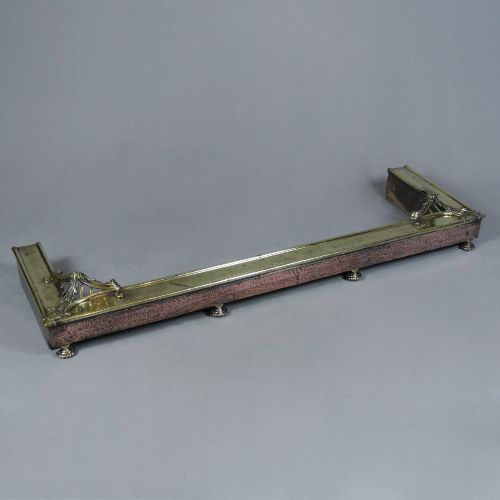
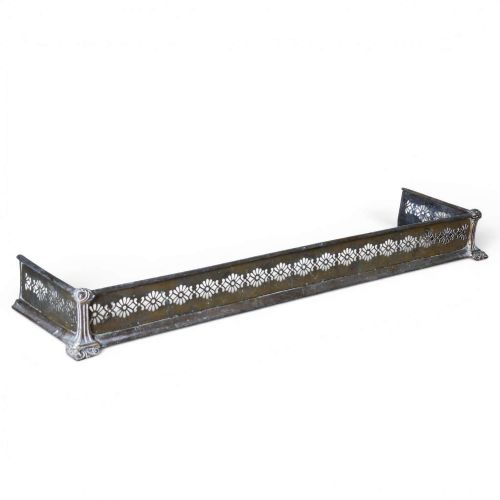
Fenders and kerbs in brass and copper appear frequently alongside structural surrounds, completing the fireside arrangement. These pieces originate from English and French workshops working around 1890 and into the early twentieth century.
How they were made
Makers cast iron and brass into fluid, organic profiles that define the style, utilising sand casting techniques for metal components. Polished copper sheets and brass tubes were assembled to form fenders and kerbs designed to sit on the hearth.
Woodworkers carved mahogany and oak to build substantial architectural surrounds, sometimes integrating mirrored glass panels into the mantel structure. Metalwork often received a patinated finish or high polish to highlight the decorative plant motifs.
Art Nouveau Fire Surround Retail Price Guide 2026
Typical asking prices for art nouveau fire surround among the pieces listed under this phrase on Sellingantiques today, from the lower quarter to the upper quarter. They describe what is for sale here now, not the wider market.
One unusual brass fender on record specifically incorporates a winged globe motif into its metalwork design.
What varies in quality
The distinction between standard production and finer examples lies in the crispness of the cast metal details and the depth of the hand-finishing. Superior brass and copper fenders show precise joints and substantial gauge metal rather than thin sheet construction.
Carved wooden surrounds vary according to the selection of timber grain in the mahogany or oak and the refinement of the organic moulding work. Original patination on copper and brass surfaces contributes significantly to the character of a piece.
The Art Nouveau Fire Surround Glossary
- Art Nouveau
- A style of design characterised by flowing lines and organic plant motifs, prominent around 1890 to the early 1900s.
- Fire Fender
- A low metal barrier placed on the floor in front of a fireplace to contain sparks and ash.
- Cast Iron
- An iron-carbon alloy poured into moulds to create rigid structural fireplace components with detailed surface decoration.
- Bevelled Mirror
- A mirror glass panel with angled edges, frequently set into the upper section of wooden mantel surrounds.
- Mahogany
- A durable tropical hardwood with a rich reddish-brown tone, utilised for substantial architectural fireplace surrounds.
Art Nouveau Fire Surround: Frequently Asked Questions
What is an art nouveau fire surround?
These pieces are architectural frames and hearth barriers made from cast iron, brass, copper, and timber. They bring organic floral curves into domestic interiors.
They date from the Victorian, Edwardian, and 1920 periods, reflecting the design movements of those decades.
How do I date an art nouveau surround?
Dating relies on the materials, construction methods, and stylistic cues present in the piece. Items from around 1890 often feature hand-finished brass and copper.
Later pieces from the Edwardian era and the 1920s show shifts in timber selection and manufacturing techniques.
Are brass and copper fenders part of a surround?
Fenders and kerbs sit on the hearth directly in front of the fireplace opening. They match the metalwork style of the main surround.
Many examples use brass, steel, and copper to create a cohesive fireside appearance.
How should I clean polished brass?
Polished brass and copper surfaces require gentle dusting and occasional cleaning with a non-abrasive metal cleaner. This preserves the manufactured finish.
Avoid harsh chemicals that strip the historic patination accumulated over decades of use.
Can wooden surrounds handle heat?
Mahogany and oak surrounds frame the outer perimeter of the fireplace rather than the immediate firebox. They sit at a safe distance from active flames.
Correct installation ensures the timber remains clear of extreme heat sources.