



Art Nouveau Ceiling Fixture
An art nouveau ceiling fixture brings organic curves and disciplined craftsmanship straight to the ceiling, offering a purposeful wash of period illumination.
Art Nouveau Ceiling Fixture
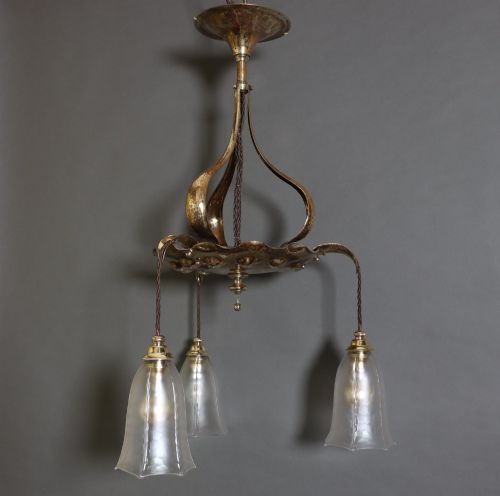
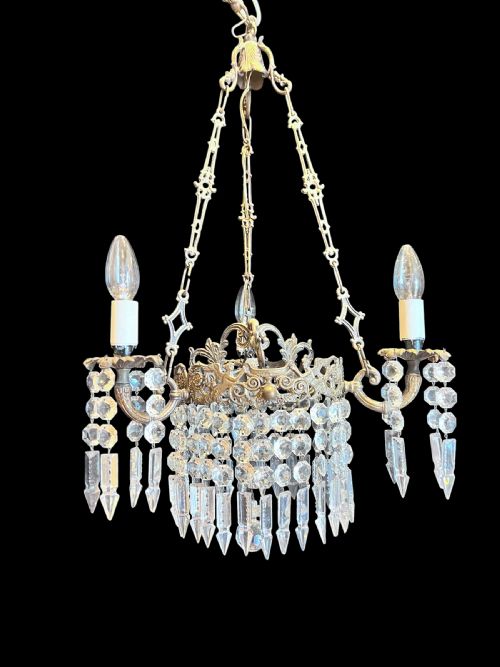
An art nouveau ceiling fixture gathers the flowing natural forms, stylized flora, and asymmetric grace typical of the early twentieth century. When searching for an art nouveau ceiling fixture, buyers encounter a mix of pendant lights, chandeliers, and ceiling lamps spanning the Edwardian era and the early decades of the nineteen hundreds. These fixtures emerge in styles ranging from straightforward British Arts and Crafts designs to ornate French art nouveau and Edwardian interpretations.
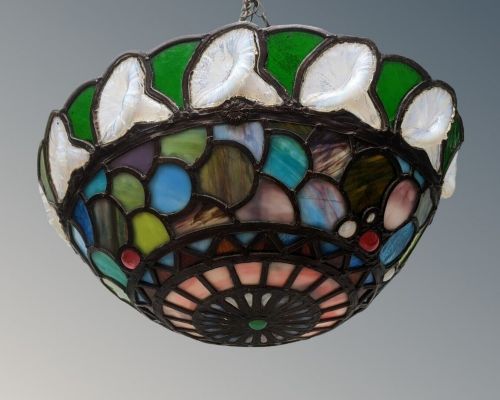
The pieces on offer showcase varied forms of illumination, from single pendant lanterns to multi-light brass chandeliers and deep bowl fixtures. Materials span cast brass, bronze, wrought iron, and beaten copper paired with glass elements in various treatments. Tracing these forms reveals how domestic lighting evolved from simple functional illumination into an integrated decorative statement during the late nineteenth and early twentieth centuries.
Materials and Construction
Makers shaped structural components primarily from cast or spun brass, forged bronze, wrought iron, and beaten copper. These metals provided the tensile strength needed to suspend heavy glass shades while lending themselves to organic, whiplash curves and floral motifs. Metal surfaces frequently retain their natural patination, sometimes enhanced through gilding or dark patination techniques suited to the period.
The glass components paired with these metal mounts involve distinct artisanal methods, including acid-etched glass, layered pate de verre, and leaded cobalt blue panels. Frosted glass bulbs and crystal glass bowls diffuse the light evenly, softening the output of early electric bulbs or gas-electric conversions. Fabric cords and specialised ceiling fittings complete the assembly, matching the wiring standards and aesthetic demands of the era.
Some pendant lamps hide their counterweights in plain sight, proving that early twentieth-century engineers took gravity as a personal challenge.
Markers of Distinction
The distinction between ordinary production and superior execution lies in the depth of hand-finishing on both metal and glass. Master workshops invested considerable labour in hand-beating copper, chiseling bronze details, and achieving nuanced colour gradients within pate de verre or etched shades. Lesser pieces often rely on standardised stampings and uniform glass without the subtle irregularities characteristic of studio work.
Attribution to recognised glass houses or metalwork foundries elevates the standing of a fixture considerably. Signed glass elements and documented maker designs demonstrate a higher tier of period craftsmanship that collectors seek out. The integrity of the original hardware, from the suspension chains to the ceiling roses, further separates complete historical examples from assembled or modified units.
F and C Osler·Schneider·Verrerie Des Vosges·Muller Freres
The Art Nouveau Ceiling Fixture Glossary
- Pate de verre
- A kiln-cast glass technique involving powdered glass fused in a mould to create rich colour variation and textured translucency. This method produces thick, substantial shades prized for their ability to diffuse light softly.
- Rise and fall
- A mechanical pulley system using a counterweight that allows the height of the ceiling light to be adjusted up and down. This mechanism provided practical versatility over dining tables and reading desks.
- Arts and Crafts
- A design movement emphasising handcraftsmanship, simple structural honesty, and medieval or folk motifs. It forms a close stylistic sibling to art nouveau within the period listings.
- Etched glass
- Glass treated with acid to create opaque patterns, frosted surfaces, or decorative motifs that obscure the light source. Etching softens the glare and highlights naturalistic plant designs.
- Chandelier
- A branched suspended lighting fixture designed to hold multiple bulbs or candles. Period examples combine structural metal arms with decorative glass bowls or shades.
Art Nouveau Ceiling Fixture: Frequently Asked Questions
How do I install an antique ceiling fixture?
Installation requires mounting the fixture securely to a structural ceiling joist and connecting the internal wiring to modern household circuits.
Because older wiring standards differ from current electrical codes, a qualified electrician should inspect and adapt the internal components before live operation.
Were these lights originally electric or gas?
Many fixtures from this era were manufactured during the transition period when both gas and electricity powered domestic interiors. Some retained dual fittings or were later converted entirely to standard electrical sockets.
Examinations of the interior channels often reveal traces of early wiring paths or gas supply tubes.
How do I clean fragile antique glass shades?
Remove the glass shade from the metal mount whenever possible and wash it gently using lukewarm water and a mild, non-abrasive soap. Avoid harsh chemical cleaners that can damage historical surface treatments or etched details.
Dry the glass thoroughly with a soft cloth before reattaching it to the brass or bronze frame.
How do I distinguish Edwardian lighting from earlier styles?
Edwardian fixtures tend to feature lighter proportions and brighter brass finishes compared to the heavier, darker patinas typical of the late nineteenth century. They incorporate flowing art nouveau lines alongside neoclassical revival details.
Studying the complexity of the glasswork and the stamping on the metal mounts helps clarify the precise period of manufacture.