

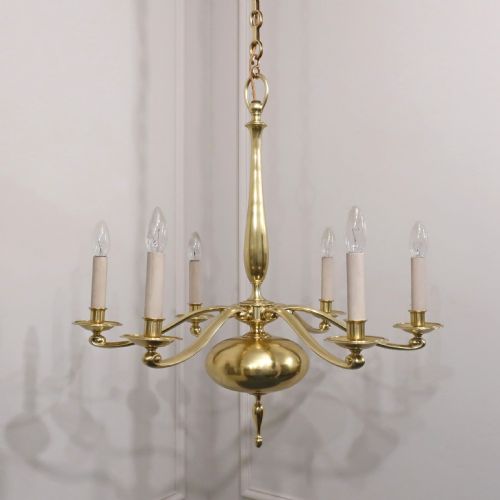


Art Nouveau Bronze Lighting
Art nouveau bronze lighting brings sinuous lines and natural forms into interiors, offering character and warm illumination.
Art Nouveau Bronze Lighting
Art nouveau bronze lighting encompasses table lamps, desk lamps, wall sconces, chandeliers, pendant lights, and standard lamps produced during the turn of the century and the Edwardian period. These pieces draw heavily on organic forms, floral motifs, and female figures, reflecting the aesthetic movements of the late nineteenth and early twentieth centuries.
Table lamps and figural sculptures are the most frequent encounters on this page, often incorporating cast metalwork alongside glass or fabric elements. French origins predominate among the makers and stylistic influences recorded in the listings, alongside English workshops from the same era.
The objects serve both functional lighting and decorative sculptural purposes, representing domestic interiors from the Belle Epoque through to the nineteen-twenties. Buyers will find variations ranging from simple utilitarian desk pieces to large figural lamps by named sculptors.
Materials and Techniques
Glass components, including frosted glass shades and glass cabochons, were integrated into lamp designs to diffuse light softly. Workshops also combined metalwork with faience, crystal bowls, and fabric elements to complete the fixtures.
Assessing Quality in Lighting
Quality rests primarily on the crispness of the casting and the skill of the chasing work on the metal surface. Finer pieces retain sharp details in hair, fingers, and floral relief, whereas lesser examples show softer definition from worn moulds.
The integration of secondary materials like glass cabochons, frosted shades, or crystal elements dictates the refinement of the piece. Original patination and the presence of maker signatures or foundry marks further distinguish standard production items from masterworks.
L & F Moreau·G.E.C·Georges Leleu·F&C Osler·Abel Landry·Liberty·The Charles Parker Company·Ivan Zaiec·Tiffany Studios NYC·Henri Honore Ple·Auguste Moreau
The Art Nouveau Bronze Lighting Glossary
- Spelter
- An alloy of zinc and lead used as an economical alternative to bronze for figural lamp casts. It takes patination well but is softer and more brittle than bronze.
- Cabochon
- A polished, convex-cut gemstone or piece of glass without facets. These are often set into metal lamp frames to catch the light.
- Sconce
- A wall-mounted light fixture designed to hold bulbs or candles. Pairs of these fixtures were traditionally placed flanking mirrors or doorways.
- Faience
- Tin-glazed earthenware used in lamp bases to introduce colour and pattern. It provides a ceramic contrast to the surrounding metalwork.
- Chasing
- The manual finishing of a metal casting with punches and chisels to sharpen details. Superior pieces show extensive hand-chasing on the bronze surface.
Art Nouveau Bronze Lighting: Frequently Asked Questions
How do I wire antique lamps for modern use?
Most antique fixtures require rewiring by a qualified electrician to meet current safety standards and plug configurations. The original internal channels can usually accommodate modern flex without altering the exterior bronze or brass structure.
Buyers should discuss rewiring options with a specialist before installation, ensuring that lampholders match modern bulb bases while preserving the vintage switchgear where possible.
What is the difference between bronze and spelter?
Bronze is a durable copper alloy that accepts fine detail and ages with a rich patina. Spelter is a softer zinc alloy that was frequently used for figural lamp bases during the same period.
Spelter pieces are lighter and more prone to surface wear, making careful handling essential. Examining the underside or base often reveals the lighter, grey metal beneath worn spots.
How do I clean bronze lighting safely?
Dusting with a soft, dry cloth is the best routine maintenance for preserving the aged surface. Avoid chemical polishes that strip the historic patina accumulated over the decades.
Stubborn grime can be addressed with a mild soapy solution on a damp cloth, followed by immediate drying. Professional conservation is recommended for valuable pieces with delicate silvering or gilt finishes.
Where were these lamps placed originally?
Table and desk lamps sat upon libraries, reading tables, and sideboards in prosperous turn-of-the-century homes. Wall sconces and pendant lights illuminated hallways, salons, and dining rooms.
Standard lamps provided ambient illumination in larger reception spaces, often paired with matching furniture and decorative metalwork.