


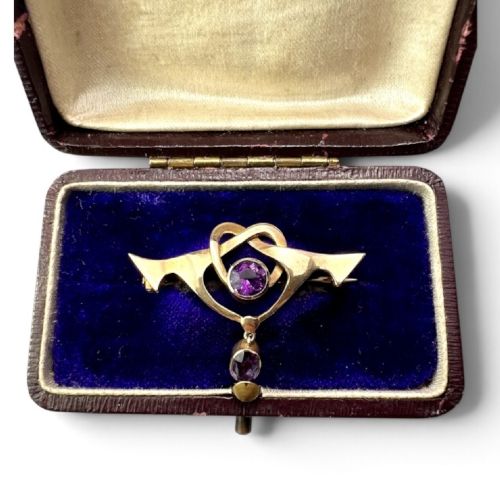
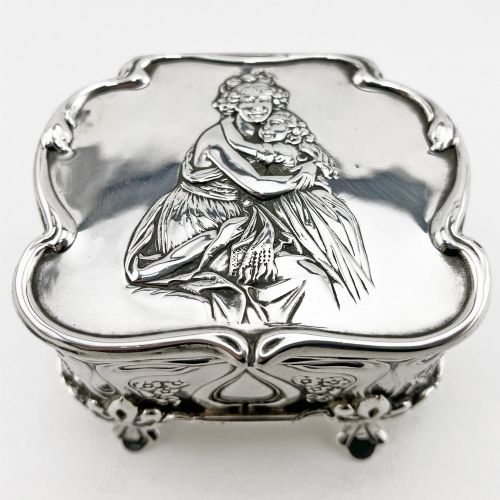
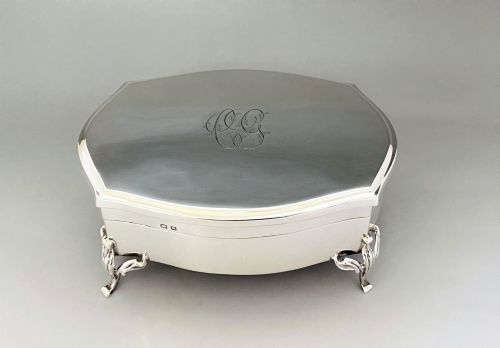

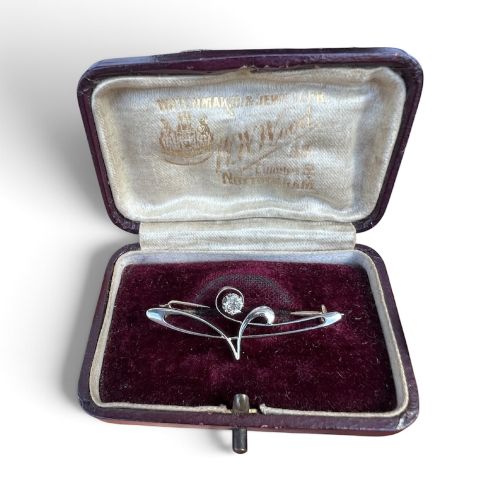

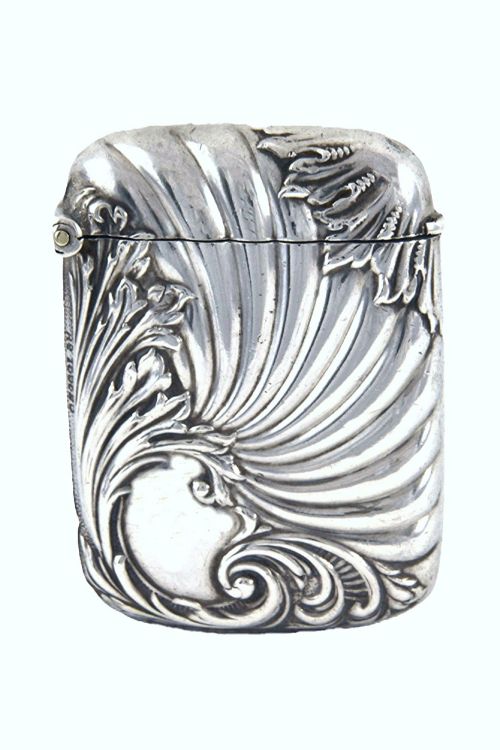
Art Nouveau Box
When you search for an art nouveau box, you are looking at tactile containers shaped by organic line and naturalistic floral ornament.
Art Nouveau Box
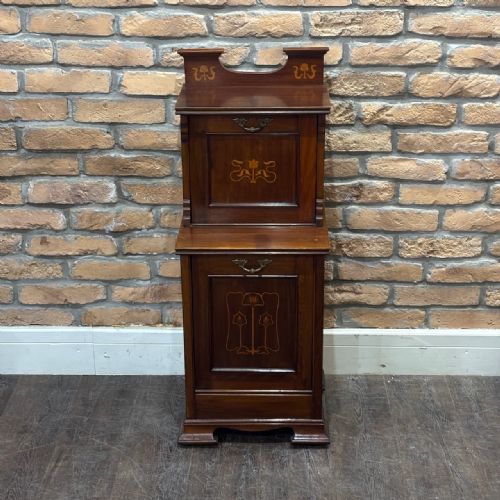
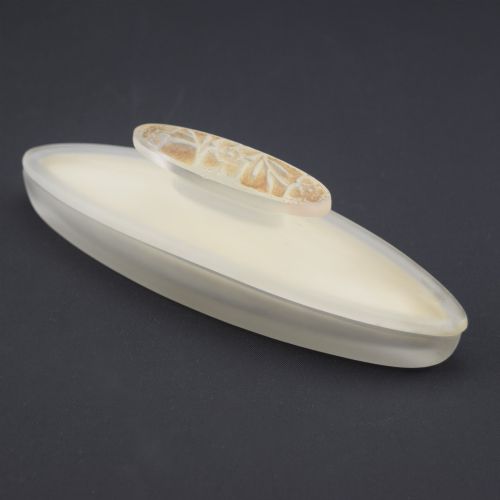
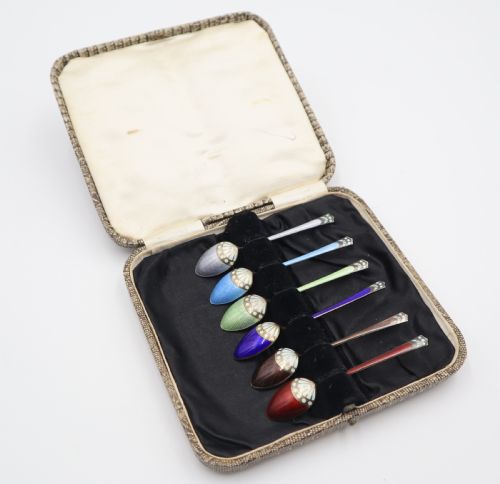
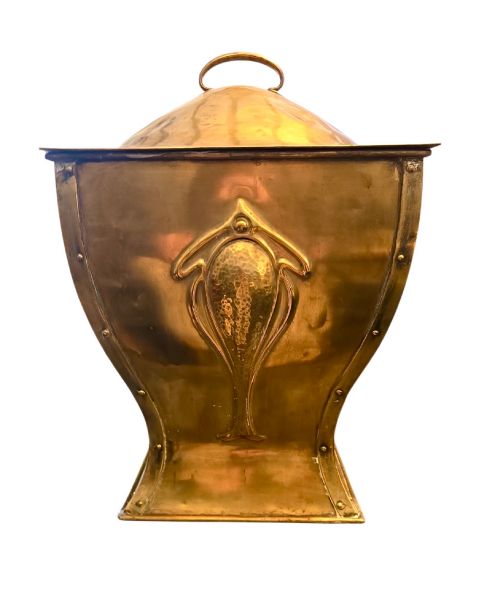
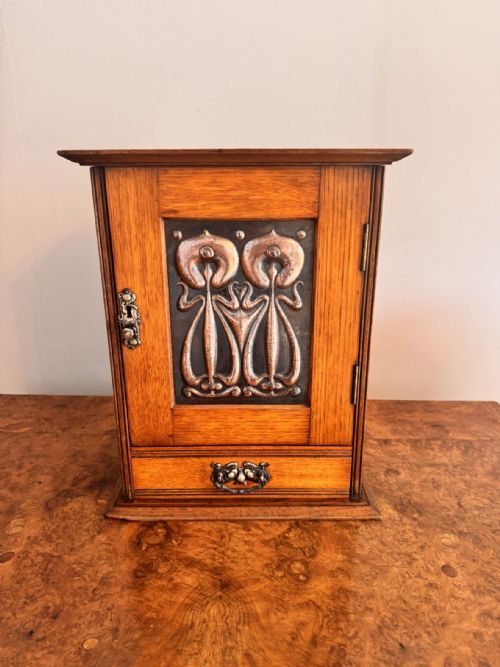
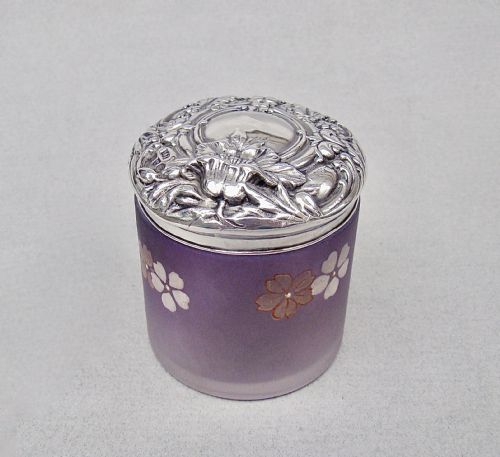
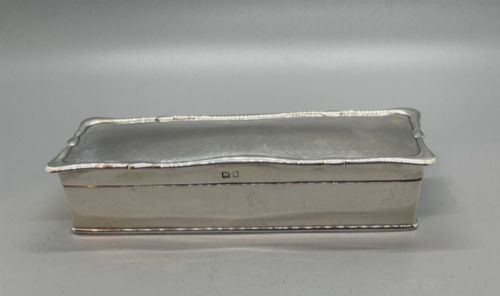
An art nouveau box encompasses domestic receptacles produced primarily around the turn of the twentieth century, bridging the late Victorian, Edwardian, and Jugendstil periods. The examples most frequently encountered span small sterling silver pill and trinket boxes, larger dresser jars with frosted glass, and substantial oak or copper fireside coal scuttles.
Makers utilised these vessels for keeping personal valuables, tobacco, matches, or documents on writing desks and dressing tables. Form follows organic rhythm, turning functional receptacles into decorative centrepieces through stylised plant motifs and winding stems.
The aesthetic bridges British Arts and Crafts ideals with continental European fluidity, drawing on diverse materials ranging from precious metals to heavy timber and enamelled glass.
How They Were Made
Silversmiths employed repousse techniques to hammer soft metal sheets from behind into high relief, creating swelling floral panels on sterling silver lids and bodies. This surface work was often paired with cast brass mounts, gilt bronze frames, or integrated enamel panels.
Cabinetmakers fashioned larger containers from golden oak, mahogany, and walnut, frequently incorporating carved details, marquetry inlay, or exposed metal strapwork hinges in the manner associated with Liberty and Co.
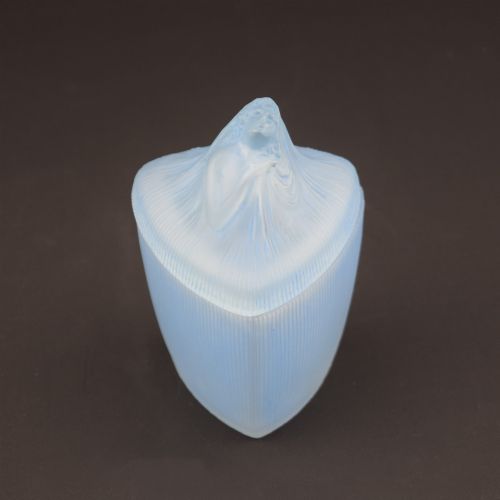
Glassmakers utilised moulded, frosted, and enamelled techniques, seen particularly in French pieces featuring botanical or female figure reliefs mounted in metal frames.
Art Nouveau Box Retail Price Guide 2026
Typical asking prices for art nouveau box among the pieces listed under this phrase on Sellingantiques today, from the lower quarter to the upper quarter. They describe what is for sale here now, not the wider market.
Listings feature containers spanning from the 1880s through to the 1920s, constructed in sterling silver, oak, brass, and frosted glass.
What Varies In Quality
The distinction between standard commercial output and superior craftsmanship rests in the crispness of the hand-chased relief and the integration of design across every hinge and clasp. Finer pieces demonstrate careful attention to interior linings, such as original velvet or silk fitted trays.
Makers' marks play a definitive role, with documented works by notable silversmiths and retail houses exhibiting superior metal weight and structural finishing compared to unmarked industrial variants.
The depth and clarity of glass moulding or the precision of timber joinery determine the overall integrity of the piece.
Goldsmiths and Silversmiths Company·Rene Lalique·James Shoolbred and Co·George Adam Scheid·William Hutton·David Andersen·Henry Matthews·Levi and Salaman·Archibald Knox for Liberty and Co·Julius Dressler
The Art Nouveau Box Glossary
- Repousse
- Metalworking technique where the design is hammered into relief from the reverse side. This method allowed artisans to create flowing plant tendrils and sculptural faces on thin silver sheets.
- Jugendstil
- The continental German-language variant of the international art nouveau movement. It draws heavily on graphic linear motifs and natural forms.
- Vesta case
- A small pocket box specifically designed for holding matches and keeping them dry. These containers often feature engraved or repousse surface decoration.
- Tea caddy
- A lidded box originally used to store loose tea leaves securely. In this period, they were frequently rendered in heavy sterling silver with internal secondary lids.
- Purdonium
- A domestic coal box designed for fireside use, usually featuring a sloping front drop-down door and an internal metal liner. They allowed solid fuel to sit in the parlour without domestic mess.
Art Nouveau Box: Frequently Asked Questions
How do I clean a silver box?
Gentle wiping with a soft, dry cloth preserves the aged patina and any delicate repousse surface detail without stripping the metal. Avoid harsh chemical dips that can damage inset enamel or frosted glass elements.
Store pieces away from direct moisture to prevent tarnish accumulation in recessed crevices and hinged joints.
Were these boxes made for daily use?
Most smaller vessels served specific domestic functions such as holding visiting cards, stamps, or daily medications on side tables. Larger caskets and wooden cabinets accommodated documents or smoking paraphernalia.
Their robust construction in silver, brass, and hardwood ensures they continue to function securely for modern storage.
How can I tell the period?
Hallmarks on silver and pewter components provide the most reliable dating evidence, often giving specific assay office marks and date letters. Stylistic cues, such as the transition from Victorian heavy ornament to flowing art nouveau tendrils, help narrow the decade.
Matching construction methods to documented workshop periods confirms the timeline.
Are glass inserts original?
Many dressing table jars and metal frames retain their blown or moulded glass liners, which are shaped precisely to fit the outer mount. Replacements are sometimes found in pieces that saw heavy household service.
Examining the rim for natural wear helps determine if the glass has stayed with the piece since manufacture.