


Art Glass Light Shade
An art glass light shade brings colour and form together, diffusing illumination through pressed, blown or frosted glass.
Art Glass Light Shade
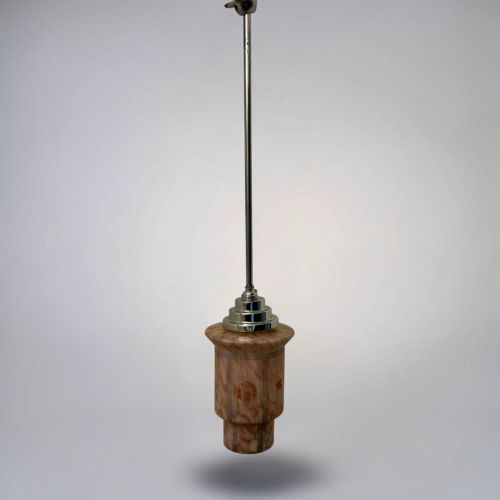
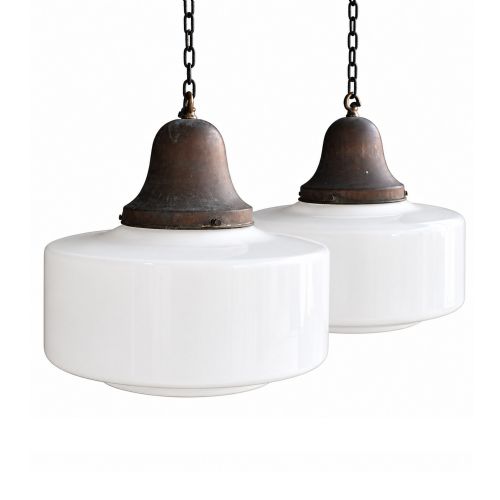
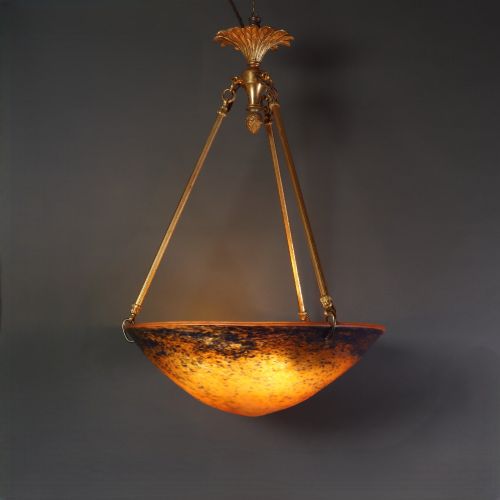
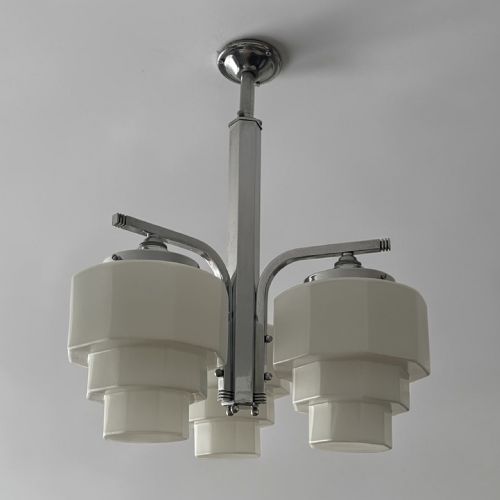
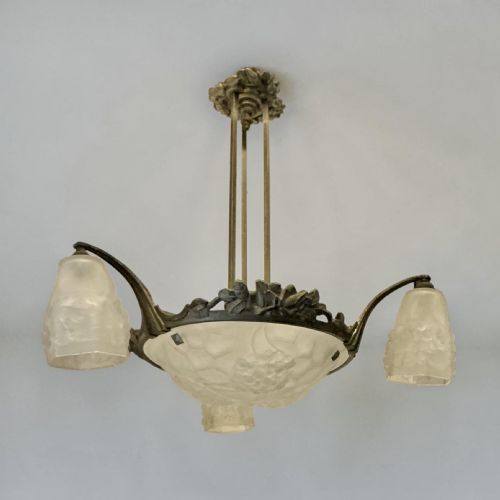
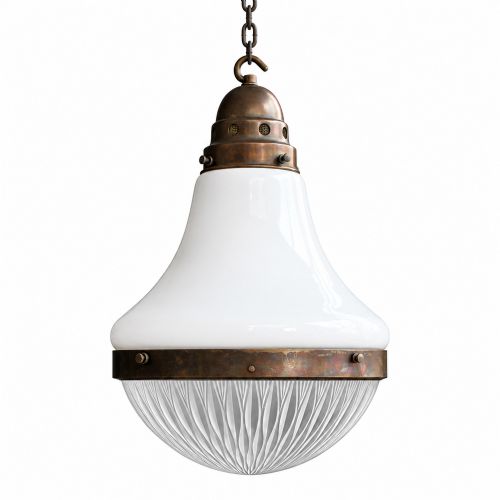
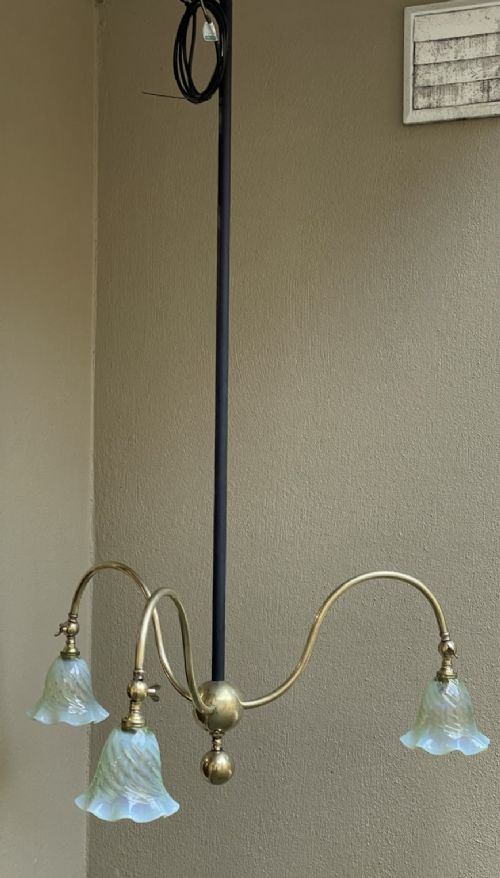
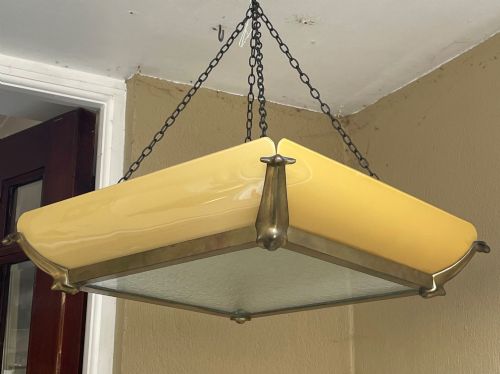
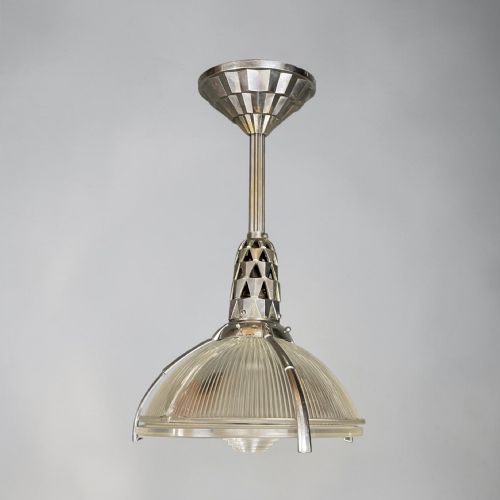
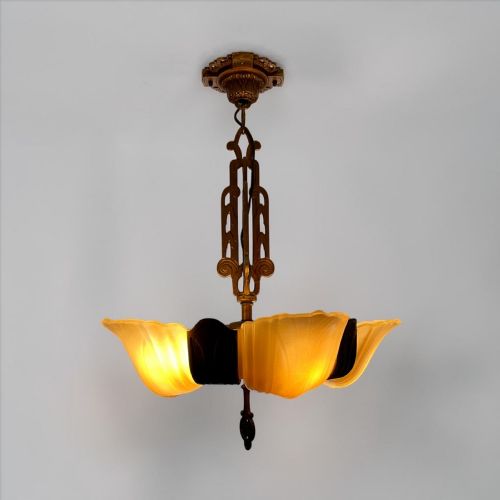
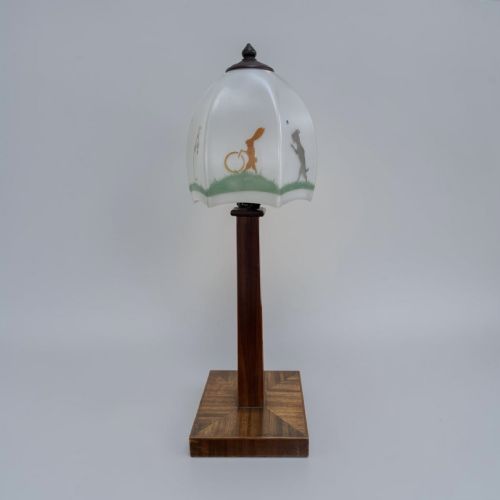
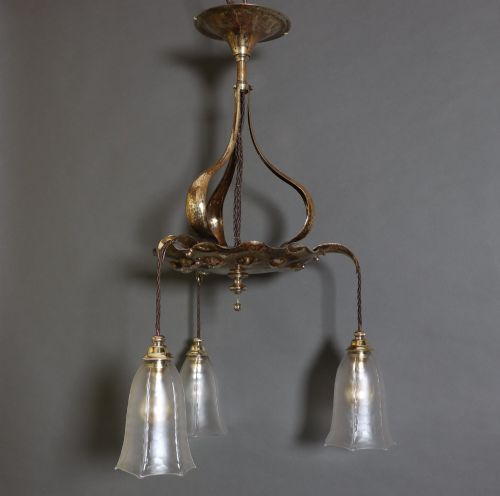
An art glass light shade transforms domestic illumination through decorative glass forms paired with metal mountings. The listings on this page span several decades, ranging from nineteenth century designs to the robust production of the nineteen-thirties.
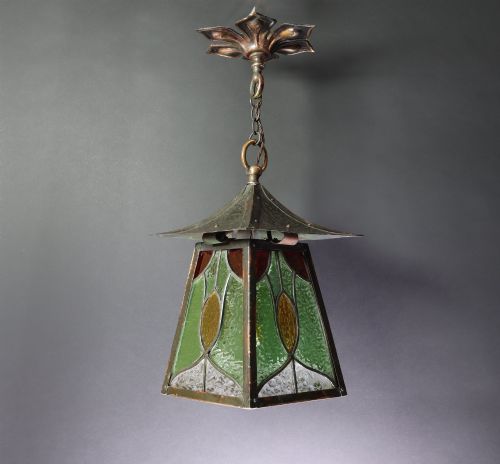
The prevailing styles on this page follow the movements of the period, notably Art Deco, Art Nouveau and Arts and Crafts. Pieces appear primarily as ceiling pendants, wall sconces and table lamps.
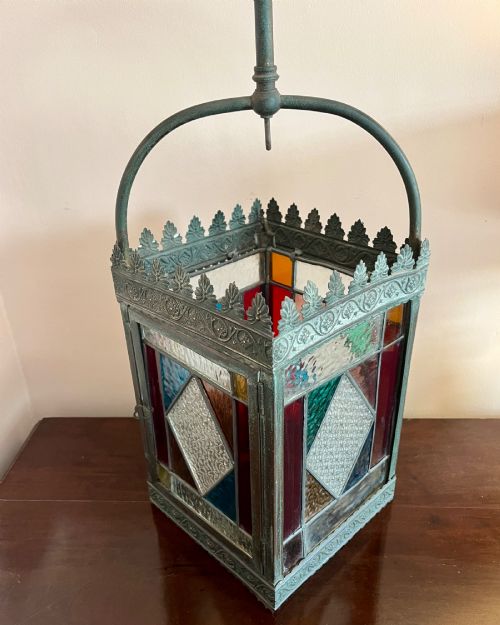
A buyer seeking an art glass light shade will encounter diverse configurations, from simple opaline globes to intricate leaded panels and slip-shaded chandeliers. French workshops and English makers dominate the origins represented here.
How they were made
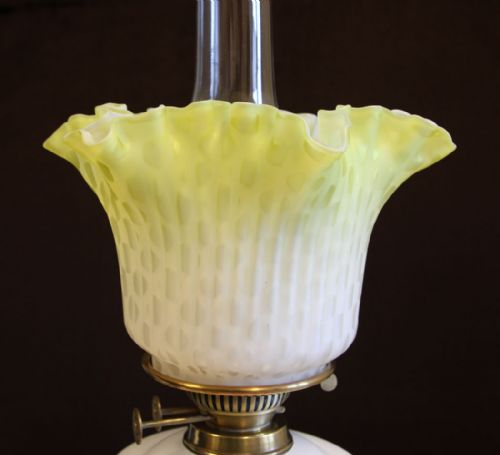
Makers utilised glass-working techniques such as hand-blowing, moulding and acid-etching to achieve varied surface textures including crackle glass and frosted finishes. Glass components combine with structural metals like brass, copper and chrome.
Mountings and frames integrate cast or beaten brass and copper, sometimes set against marble or ceramic bases. The assembly relies on mechanical fixings to secure heavy glass shades within pendant and wall-mounted frames.
Art Glass Light Shade Retail Price Guide 2026
Typical asking prices for art glass light shade among the pieces listed under this phrase on Sellingantiques today, from the lower quarter to the upper quarter. They describe what is for sale here now, not the wider market.
The listings span the nineteenth century through to the nineteen-forties, employing brass, copper, chrome and marble alongside diverse glass types.
What varies in quality
Quality rests upon the weight and clarity of the glass, alongside the integrity of the metal armature. Heavy moulded shades and hand-blown pieces with distinct optical properties command attention over mass-produced alternatives.
The sophistication of the design, whether in the fluid lines of Art Nouveau brasswork or the geometric precision of Art Deco slip shades, defines the upper tier of production.
Charles Schneider·Degué·Émile-Jacques Ruhlmann·Gustave Serrurier Bovy·Stuart Crystal
The Art Glass Light Shade Glossary
- Opaline glass
- A milky, semi-translucent glass that softens light diffusion while maintaining a bright appearance. This material appears frequently in pendant lights and table lamps from the early twentieth century.
- Plafonnier
- A ceiling-mounted light fixture where the shade sits flush against or close to the ceiling pan. These fixtures often feature moulded art glass bowls supported by metal rims.
- Slip shade
- A thick, individually moulded piece of glass designed to slot into a metal frame, common in Art Deco chandeliers and wall sconces.
- Rise and fall
- A mechanical pulley system using a counterweight, allowing the suspension height of a pendant light to be adjusted by hand.
- Secessionist
- An artistic movement from central Europe that embraced geometric forms and simplified ornamentation, running parallel to Art Nouveau.
Art Glass Light Shade: Frequently Asked Questions
How do I hang a vintage pendant?
Vintage pendants require secure ceiling fixings and appropriate electrical wiring to support the combined weight of the glass shade and metal hardware.
Consult a qualified electrician to ensure the suspension chain or rod connects safely to a modern ceiling joist.
Can I use modern LED bulbs?
Modern LED bulbs work well inside antique shades because they emit lower heat levels compared to older incandescent lamps. Lower thermal output protects fragile historical glass from potential stress.
Select warm white LED tones to replicate the gentle illumination intended by the original makers.
How do I clean old glass shades?
Clean glass shades using mild soapy water and a soft cloth to remove accumulated dust and grime.
Avoid harsh chemical solvents or abrasive pads that can damage frosted surfaces or hand-painted details.
Are these fittings wired for standard UK power?
Many surviving light fittings retain older wiring components that require updating to meet current electrical standards. Rewiring ensures the fixture operates safely within a modern domestic setting.
Retain original brass or copper galleries wherever possible while replacing internal flex cables.