


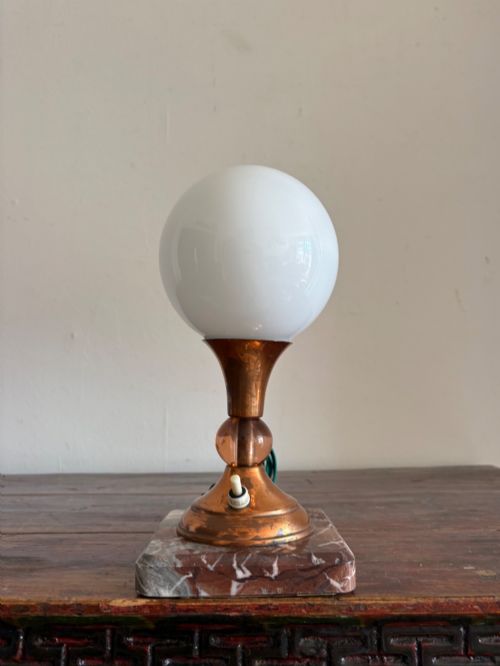
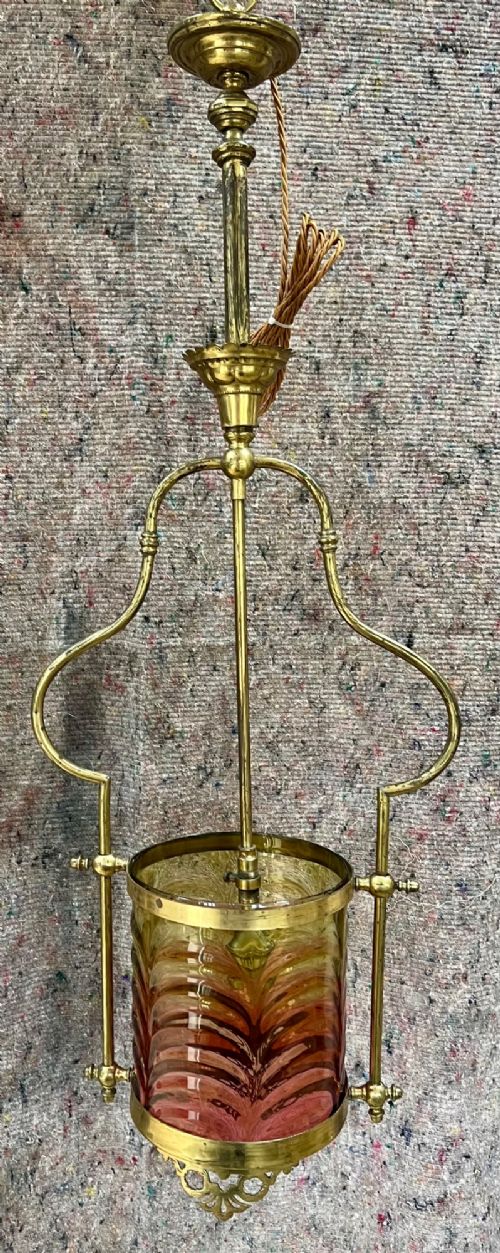
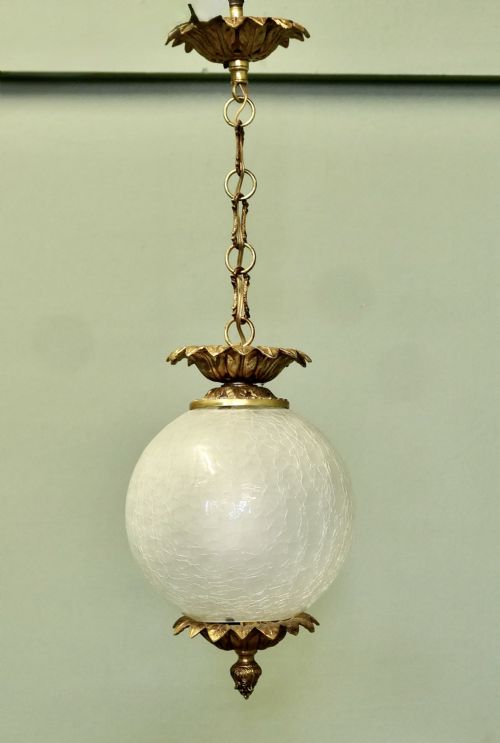
Art Glass Lamp Shades
Art glass lamp shades bring sculptural form and coloured light to interiors, spanning periods from the Victorian era through Art Deco.
Art Glass Lamp Shades
When you search for art glass lamp shades, you are looking at functional vessels of illumination shaped by distinct aesthetic movements. These pieces appear on pendants, chandeliers, ceiling lights, and table lamps originating from the nineteenth century up to the middle of the twentieth century.
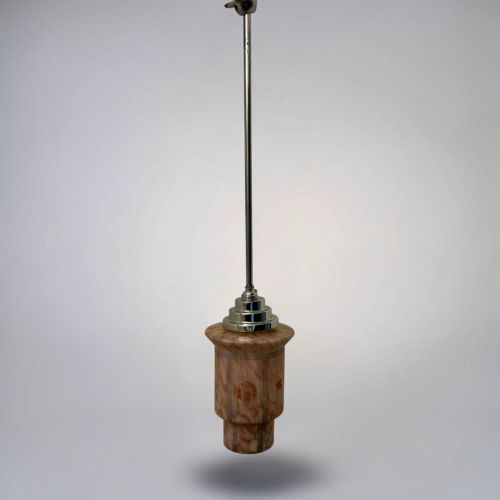
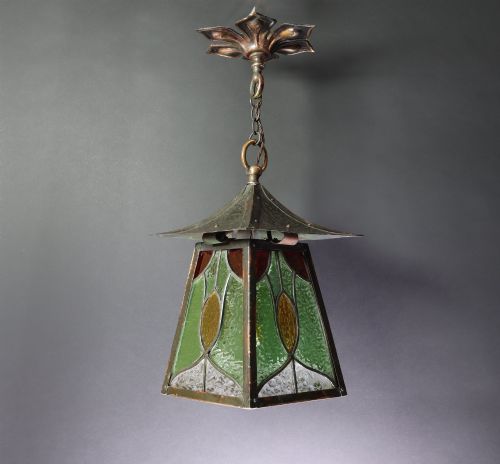
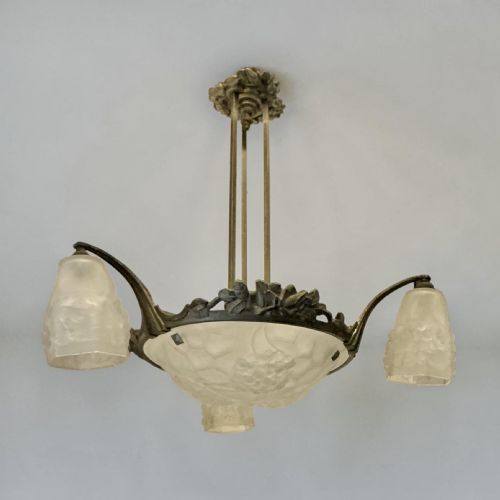
The most common examples you will meet here date from the nineteen-twenties and nineteen-thirties, manifesting in the geometric profiles and stylized motifs of the Art Deco period. Alongside these, French designs, Edwardian pieces, and Arts and Crafts examples populate the selection, often paired with metal mounts.
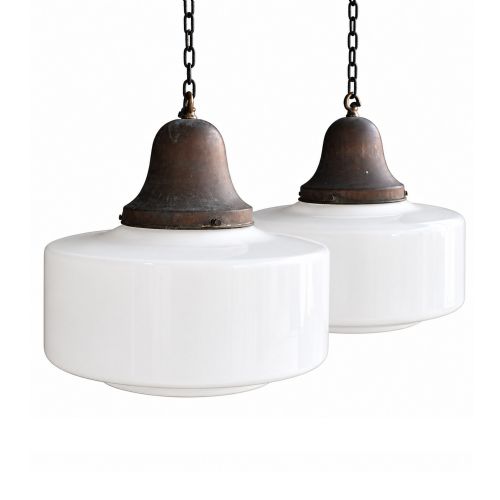
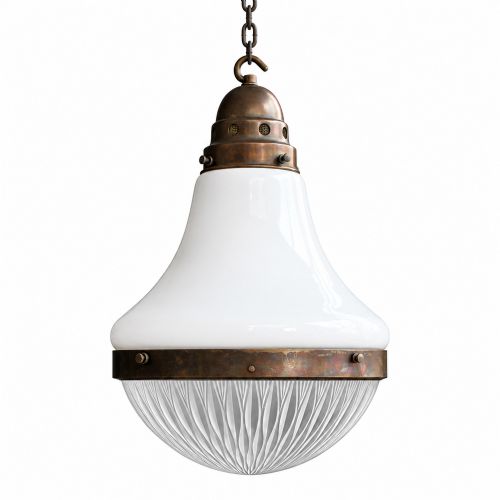
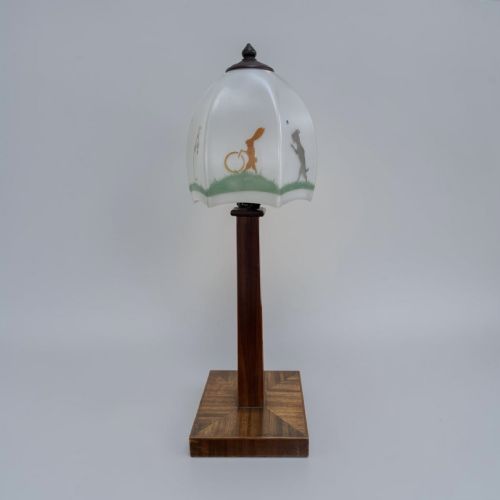
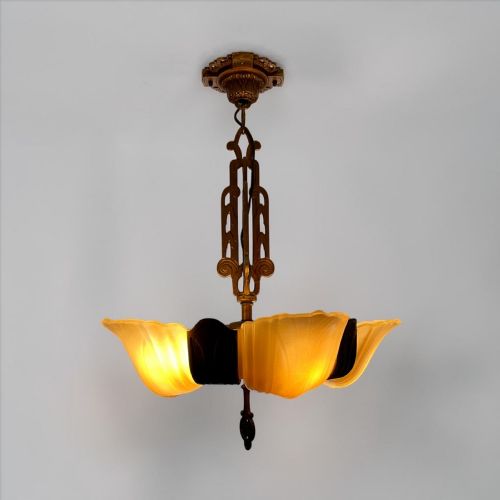
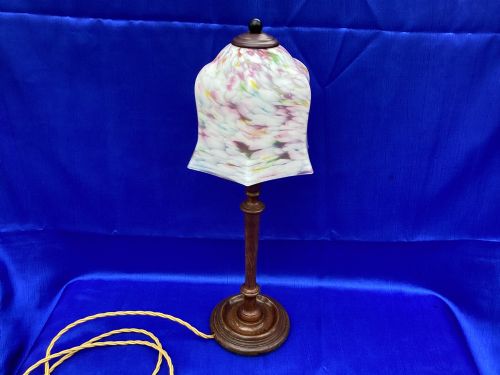
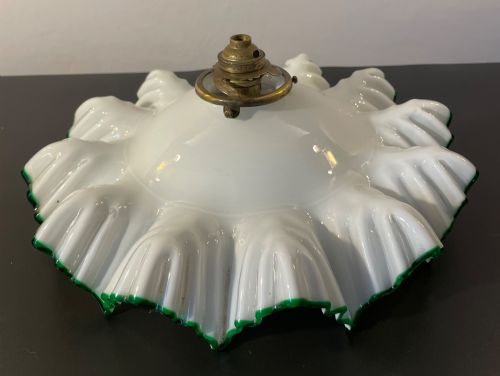
Form follows function across various domestic and institutional settings, yielding everything from simple opaline globes and conical pendants to elaborate slip-shade chandeliers and novelty table lamps. Each object reflects the prevailing decorative arts of its decade.
How they were made
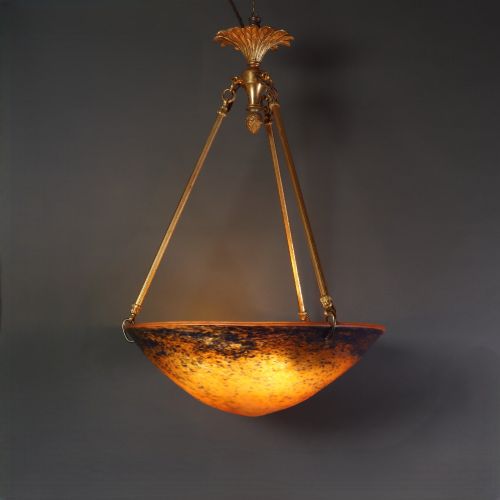
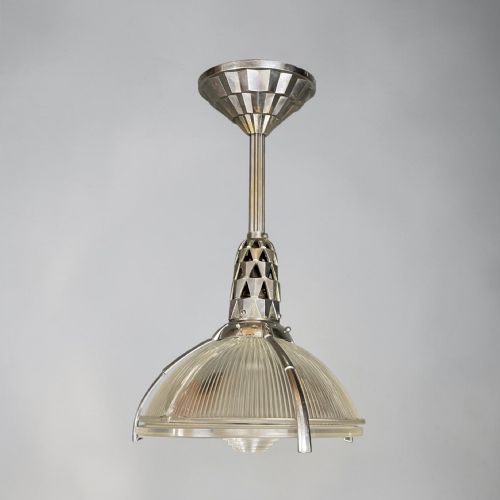
Makers combined hand-blown, moulded, or cut glass with structural metals such as brass, copper, chrome, and ormolu. Glasswork involved techniques like frosting, crackling, hand-painting, and utilising opaline or translucent materials to diffuse light effectively.
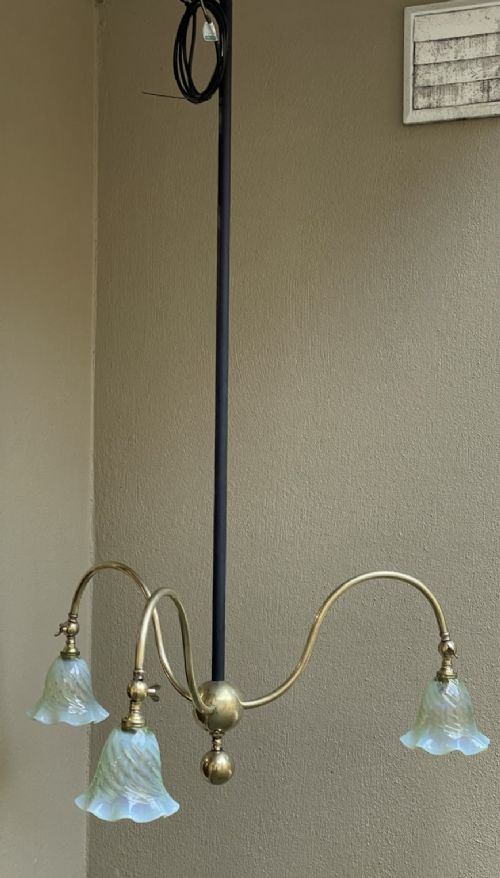
Mountings and bases frequently incorporate secondary materials including marble, ceramic, and carved oak to anchor the glass elements securely. Structural joints utilise threaded brass fittings, twist arms, and patinated metal frames designed to support hanging weights and upright table configurations.
Art Glass Lamp Shades Retail Price Guide 2026
Typical asking prices for art glass lamp shades among the pieces listed under this phrase on Sellingantiques today, from the lower quarter to the upper quarter. They describe what is for sale here now, not the wider market.
Listings incorporate diverse materials including brass, marble, chrome, and opaline glass across styles from Victorian to Art Deco.
What varies in quality
The distinction between standard commercial production and superior workmanship lies in the weight of the glass, the depth of the mould, and the crispness of the decorative detail. Heavier metal castings in brass or ormolu and complex glass treatments like crackling or multi-layered opalescence elevate a piece.
Attribution to known designers or documented workshops influences the standing of an item, as does the preservation of original patinated metal finishes and matching hardware. Cohesiveness between the glass shade and its original supporting fixture preserves the integrity of the design.
Charles Schneider·Degué·Émile-Jacques Ruhlmann·Gustave Serrurier Bovy·Stuart Crystal
The Art Glass Lamp Shades Glossary
- Opaline glass
- A type of semi-opaque glass, either white or tinted, that diffuses light softly without total transparency. It appears frequently in twentieth-century pendants and task lighting.
- Plafonnier
- A ceiling-mounted lighting fixture where the shade sits flush or close to the ceiling plate. These often feature moulded or frosted art glass bowls.
- Slip shade
- A type of glass shade that slots directly into a metal frame or basket, common in Art Deco multi-light chandeliers and sconces.
- Rise and fall
- A mechanical ceiling light suspension using a pulley system to allow the height of the pendant to be adjusted up and down by hand.
- Ormolu
- Gilding bronze or other metals with a gold-coloured alloy to give a rich, metallic finish. It is often found on mounts for high-end period table lamps.
Art Glass Lamp Shades: Frequently Asked Questions
How do I identify Art Deco shades?
Art Deco shades typically display symmetrical geometric patterns, stepped motifs, or stylized floral elements in keeping with the nineteen-twenties and thirties aesthetic. They often utilise frosted, crackle, or opaline glass housed within chrome or brass structures.
Examining the mounting hardware and the weight of the glass helps confirm the period. Simpler conical or spherical pendant forms share space with elaborate moulded slip shades designed for multi-bulb fixtures.
Where were these shades used?
These pieces served both domestic interiors and civic buildings, functioning as primary overhead illumination or task lighting on desks and tables. Pendants and chandeliers hung in hallways and living rooms, while smaller shades completed reading lamps and wall sconces.
Institutional examples, such as church lights or municipal hall fittings, demonstrate how robust these designs were for public spaces. Table lamps provided localized illumination in parlours and studies.
Are these shades fragile?
Most shades consist of moulded or blown glass that requires careful handling during installation and cleaning. The thickness of the glass varies, with heavy slip shades and pressed bowls offering more substance than thin blown globes.
Matching the shade securely to its original brass or metal fitter prevents undue stress on the glass. Adequate support from the ceiling or base structure ensures safe daily use.
How do I clean art glass?
Cleaning requires mild soapy water and a soft cloth to remove dust and grime without damaging the surface or any painted details. Abrasive materials must be avoided, particularly on frosted, crackled, or hand-painted finishes.
Metal components like brass, copper, and chrome should be cleaned separately according to their finish, taking care not to disturb original patination. Ensuring the fixture is disconnected from the electrical supply is essential before maintenance begins.