


Art Deco Wood Lamp
An art deco wood lamp brings strong architectural lines and warm timber grains into a room, grounding modern spaces with period character.
Art Deco Wood Lamp
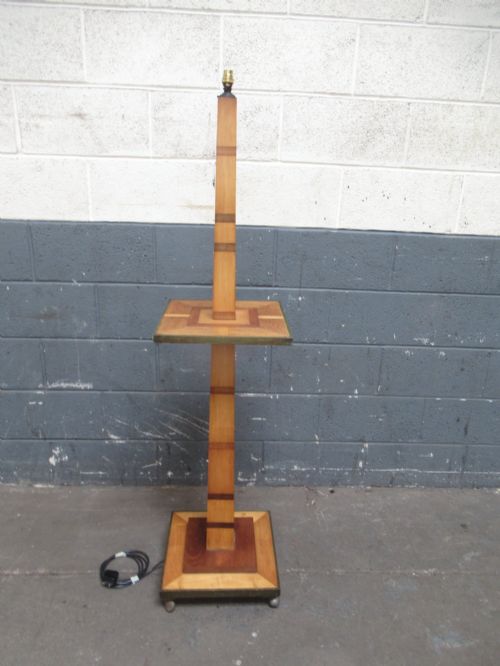
The art deco wood lamp combines sculptural timber forms with the geometric silhouettes characteristic of the early twentieth century. Buyers seeking these pieces encounter standard lamps, floor lamps, and desk lamps constructed from various woods.
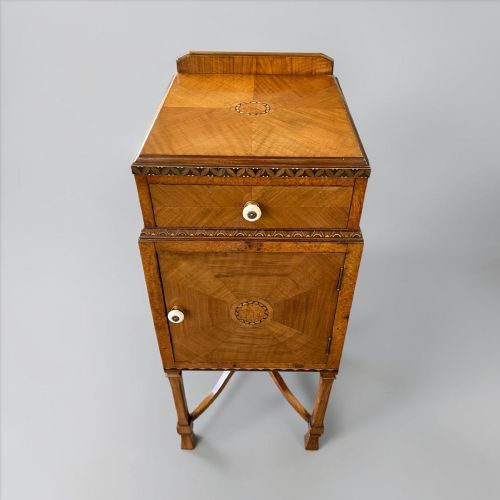
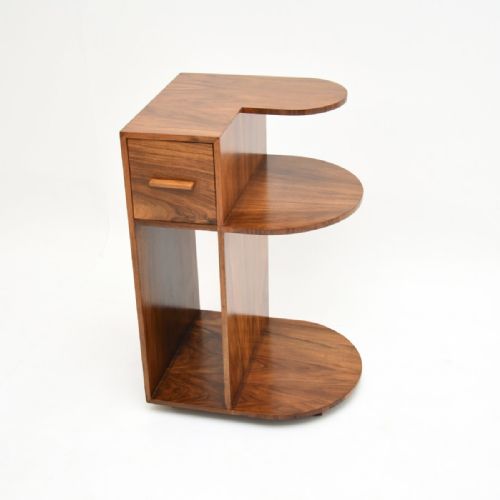
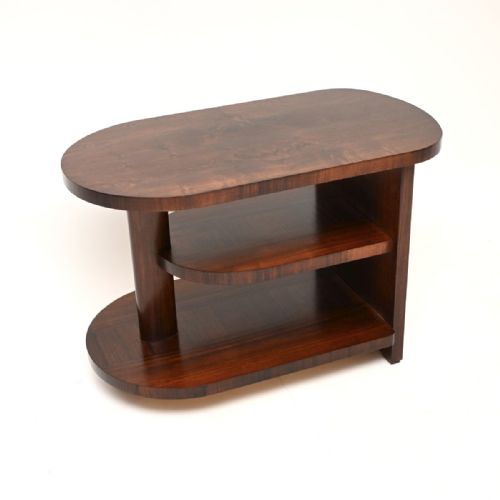
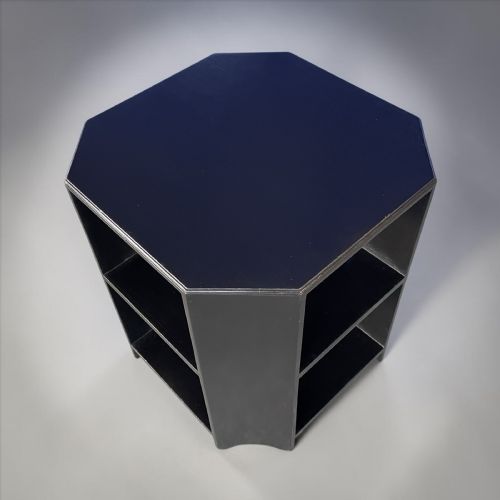
The selection ranges from tall standard lamps designed to illuminate a corner to smaller table and desk lighting intended for functional placement. Many items merge lighting with small furniture, appearing alongside side tables and bedside cabinets fitted to hold lamps.
Materials and construction methods
Craftsmen built these lamps utilising solid hardwoods and decorative veneers, selecting walnut, oak, rosewood, satinwood, and birds eye maple to display striking grain patterns. Ebonised details and contrasting ebony or burr elm often accent the primary timber surfaces.
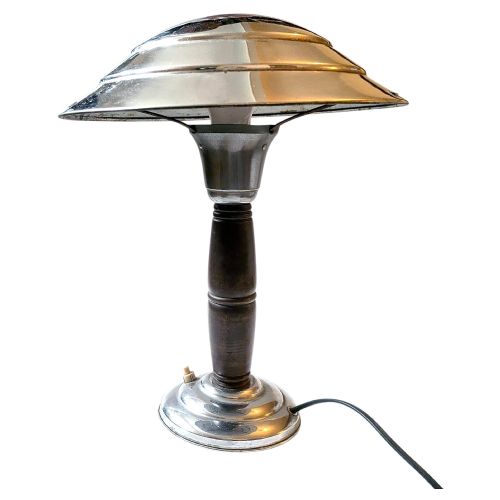
Metal elements such as brass and chrome appear alongside the woodwork, particularly on desk lamps and standard lamps from the machine age. Vellum and opaline shades complete the construction, pairing with turned or fretwork wooden bases.
Some tables double as reading companions, proving that past generations took their bedtime book storage seriously.
Judging the quality of construction
Quality rests in the selection of veneer and timber, where figured walnut, satinwood, and palm wood exhibit rich, unbroken grain patterns across the surfaces. Fretwork precision and the seamless integration of wood and metal elements separate standard workshop output from finer creations.
The integrity of the structural joinery in tiered tables and lamp bases dictates durability. Well-executed ebonising and balanced proportions between the wooden standard and the base indicate superior cabinetmaking.
Hille·Majorelle·Maples of London·Wedgwood
The Art Deco Wood Lamp Glossary
- Art Deco
- A design style emerging in the early twentieth century characterised by sleek geometric shapes, stylised motifs, and modern industrial materials. It dominated decorative arts through the 1920s and 1930s.
- Veneer
- A thin layer of superior wood glued to a base timber to provide an ornamental surface without warping. Figured walnut and satinwood frequently appear in this format.
- Standard Lamp
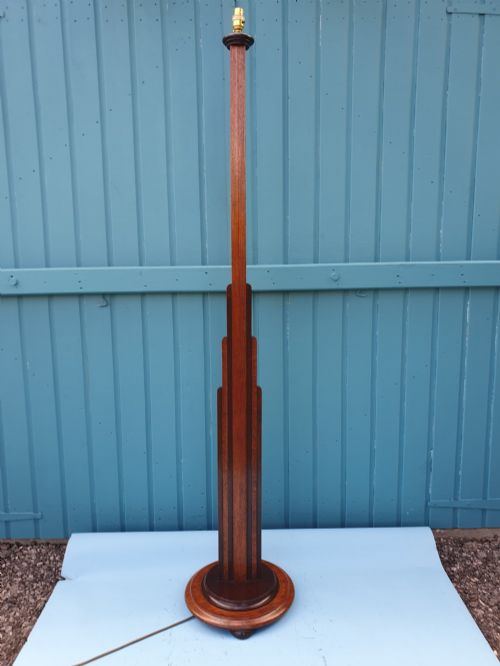
- A tall freestanding floor lamp designed to provide ambient room illumination. These often incorporate stepped skyscraper bases typical of the interwar period.
- Ebonised
- Wood treated with a dark stain or finish to imitate ebony. This technique creates high contrast against lighter timbers like satinwood or birds eye maple.
Art Deco Wood Lamp: Frequently Asked Questions
How do I identify an authentic art deco wood lamp?
Authentic pieces display period characteristics such as stepped skyscraper profiles, geometric fretwork, and typical timbers like walnut and rosewood.
Construction methods and materials align with early twentieth-century cabinetmaking practices rather than modern reproductions.
What woods were commonly used for these lamps?
Makers utilised a range of domestic and exotic timbers, frequently choosing figured walnut, oak, satinwood, and rosewood.
Exotic veneers like palm wood and birds eye maple also appear alongside ebonised accents and contrasting burr elm.
Where should I place an art deco standard lamp?
Tall standard lamps suit corners or seating areas where their vertical wooden shafts can provide directed ambient lighting.
Matching them with nearby side tables or bedside cabinets creates a cohesive period arrangement in a room.
How do these lamps combine with other furniture?
Many lighting pieces integrate directly with furniture forms, functioning as combined lamp tables, occasional tables, or bedside stands.
Their geometric styling coordinates naturally with machine age and modernist pieces from the same era.