



Geometric Standard Lamp
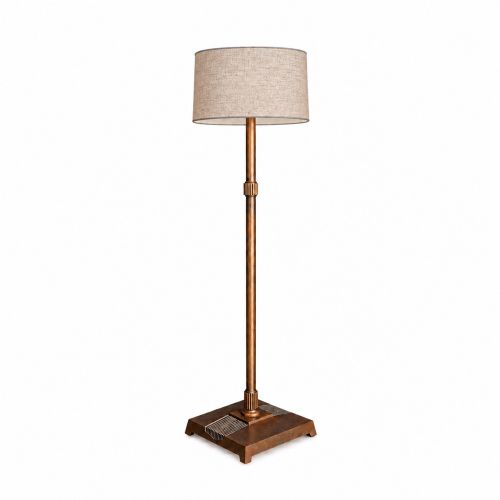
A geometric standard lamp brings architectural line and period presence to a room, channelling the bold energy of the interwar years.
Geometric Standard Lamp
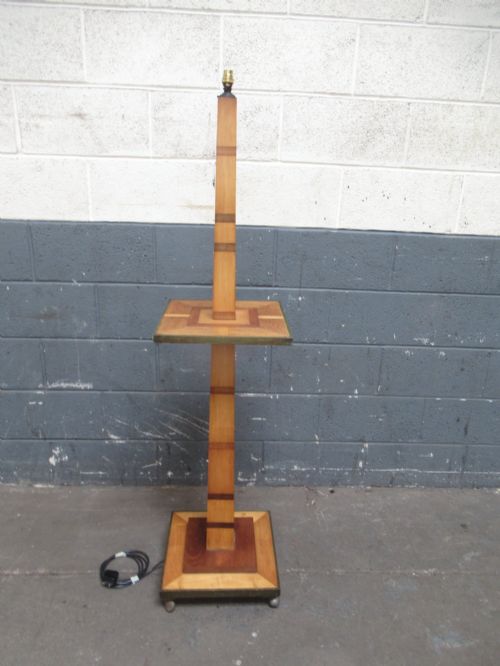
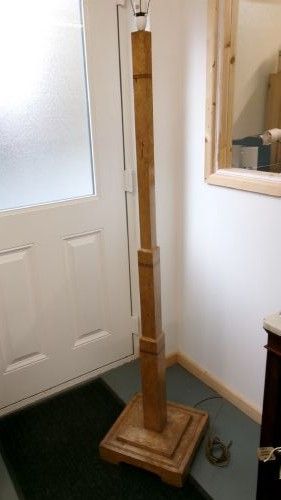
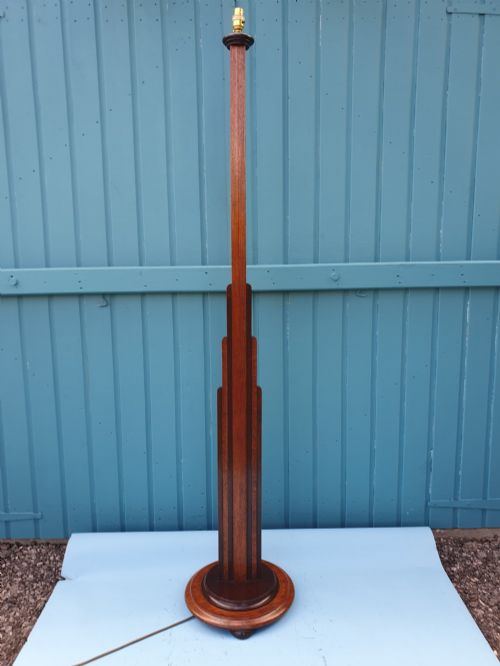
A geometric standard lamp is a tall floor-standing light fixture embodying the distinct rectilinear forms of the Art Deco era. When searching for a geometric standard lamp, buyers encounter pieces dating from the nineteen twenties and nineteen thirties.
The dominant forms on this page include standard lamps, floor lamps, and uplighters. These tall lighting pieces frequently arrive in pairs or as single statements constructed during the nineteen twenties and nineteen thirties.
Woods and metals dominate the construction of these lighting fixtures, originating from the nineteen twenties and nineteen thirties. Oak and walnut provide the primary wooden bodies, occasionally paired with contrasting ebony details.
How They Were Made
Cabinet makers utilised solid oak and walnut, often applying blonde walnut or satinwood veneers to achieve distinct grain patterns. Selected models incorporate contrasting dark wood details such as ebony to emphasise the angular lines.
Metal components in brass and chrome provide structural support and decorative contrast against the timber bodies. Glass elements appear on specific uplighter variants to diffuse the upward beam of light.
Geometric Standard Lamp Retail Price Guide 2026
Typical asking prices for geometric standard lamp among the pieces listed under this phrase on Sellingantiques today, from the lower quarter to the upper quarter. They describe what is for sale here now, not the wider market.
Even the timber gets dressed up in its Sunday best with blond walnut and satinwood.
What Varies in Quality
The sophistication of the timber selection and the precision of the geometric carving dictate the standing of a piece. Finer examples display carefully matched veneers and purposeful use of contrasting timbers like ebony alongside oak or walnut.
The integration of mixed media, particularly the union of polished metals such as brass and chrome with warm woods, separates standard production from more ambitious interwar design.
The Geometric Standard Lamp Glossary
- Art Deco
- A design style spanning the nineteen twenties and nineteen thirties characterised by geometric shapes, streamlined forms, and modern materials. It replaced the flowing curves of Art Nouveau with rigid symmetry.
- Standard lamp
- A traditional British term for a tall floor lamp designed to stand on the floor and hold a lampshade at eye level. These pieces provide ambient room illumination.
- Uplighter
- A lighting fixture designed to direct illumination upwards towards the ceiling rather than downwards. This configuration creates a soft, indirect glow within the space.
- Veneer
- A thin slice of superior wood applied over a base timber to provide a decorative surface. Blond walnut and satinwood frequently appear in this format.
Geometric Standard Lamp: Frequently Asked Questions
What periods do these lamps come from?
The available lighting originates entirely from the interwar decades. The pieces span the nineteen twenties and the nineteen thirty period.
This era defined the distinct geometric aesthetic seen across all listed floor lamps.
Which woods are used in the construction?
Oak and walnut form the primary wooden bodies of these tall lamps. Craftsmen also utilised satinwood and ebony for contrast.
These materials define the traditional cabinet making techniques of the interwar years.
Are metal elements common on these lamps?
Metals play a significant structural and decorative role in these designs. Brass and chrome appear frequently alongside the wooden components.
This combination reflects the modern industrial influences of the period.
How do uplighters differ from standard lamps?
An uplighter directs its illumination upwards toward the ceiling to create ambient room light. Standard lamps typically support a shade that diffuses light outward.
Both forms belong to the same broader category of tall floor lighting.