


Art Deco Trinket Pot
An art deco trinket pot holds small treasures and cosmetics on a dressing table, combining practical storage with striking geometric or figural design.
Art Deco Trinket Pot
When you search for an art deco trinket pot, you encounter small lidded vessels designed for dressing tables and vanity use. These objects include powder boxes, rouge pots, pill boxes, and vanity jars created during the early decades of the twentieth century.
The most common examples on this page date from the nineteen thirties and incorporate ceramic or porcelain bodies. Many feature modelled figures on their lids, depicting flapper girls, bathing belles, and pierrots.
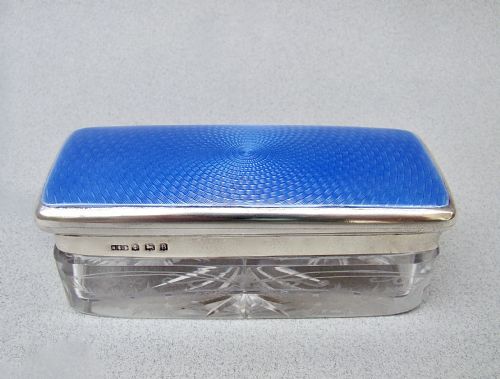
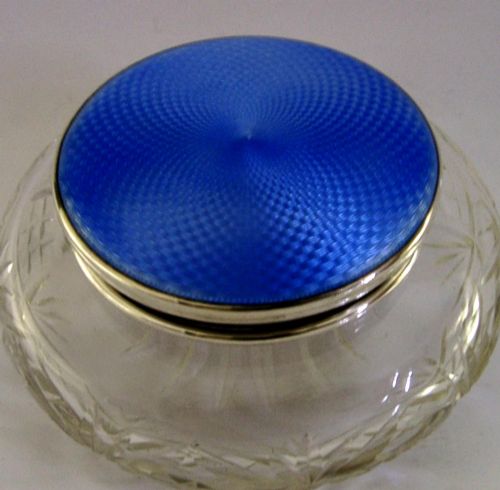
Alternative forms pair cut glass or crystal bases with silver mounts and enamelled lids. These pieces reflect the dressing table culture of the period, serving both decorative and cosmetic functions.
Materials and construction
Maker utilise sterling silver alongside ceramic, porcelain, and glass to construct these vessels. Cut glass and crystal bases often receive heavy faceting or etching before being fitted with metal collars.
Enamel work represents a significant technique on metal components, particularly guilloche enamel which displays engine-turned patterns beneath translucent colour. Potters in France, Germany, and Austria shaped ceramic and porcelain powder bowls, frequently combining moulded figural half dolls with fabric or ceramic skirts.
The selection spans porcelain figures of flapper girls and pierrots alongside geometric silver-mounted glass vanity jars.
Assessing quality
Quality rests upon the crispness of the moulding in ceramic figures and the precision of engine-turning beneath enamel surfaces. Finer pieces demonstrate careful alignment between silver mounts and glass or ceramic bodies.
The complexity of the enamelling and the depth of the cut glass contribute to a higher standard of manufacture. Maker marks and clear hallmarks on silver components indicate workshop origin and standard.
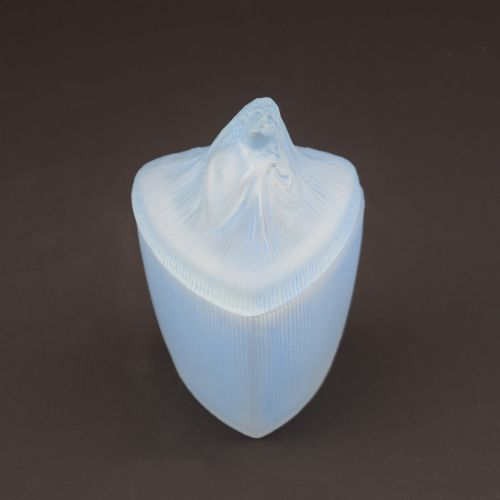
Henry Clifford Davis·Rene Lalique·Hasset And Harper
The Art Deco Trinket Pot Glossary
- Guilloche enamel
- A decorative technique where metal is engraved with an intricate repetitive pattern and coated with transparent enamel. This method allows the underlying mechanical engraving to remain visible.
- Flapper girl
- A cultural archetype of the nineteen twenties and thirties representing modern young women. These figures frequently appear modelled in porcelain on powder box lids.
- Bonbonniere
- A small ornamental box or container originally intended for holding sweets or bonbons. These vessels share similar forms with dressing table trinket pots.
- Half doll
- A porcelain figure modelled from the waist upwards without legs. They were frequently mounted onto the lids of powder boxes and brushed dressing table covers.
- Vanity jar
- A small container utilised on a dressing table for holding creams, cosmetics, or hairpins. They typically feature tight-fitting lids of silver or glass.
Art Deco Trinket Pot: Frequently Asked Questions
What were art deco trinket pots used for?
These vessels served primarily on dressing tables to hold loose powder, rouge, pins, and small personal trinkets. Women used them daily as part of their cosmetic and grooming routines.
Over time, many transitioned from functional dressing table accessories to decorative display items collected for their design and material quality.
How do I date an art deco trinket pot?
Dating relies heavily on silver hallmarks which indicate the year of assay and the city of origin. Stylistic markers such as specific flapper figures or geometric motifs also point to the nineteen twenties and thirties.
Ceramic pieces often bear factory backstamps from French or German potteries that help establish a precise period of manufacture.
Are the lids removable on all models?
Most pots feature loose-fitting lids that lift straight off the glass, ceramic, or porcelain base. Silver-mounted jars typically use a pull-off lid rather than a hinge.
Some smaller pill boxes or rouge pots incorporate tight-fitting closures designed to prevent cosmetic contents from spilling during use.
How should I clean my trinket pot?
Silver components benefit from gentle cleaning with a specialised silver cloth to avoid scratching surrounding enamel or glass. Enamelled and glass surfaces require mild soapy water and a soft cloth.
Harsh chemical dips must be avoided because they damage fragile enamel work and historical cements used in mounting.