




Art Deco Table Frame
An art deco table frame anchors a room with clean geometric lines, bringing period elegance and practical display space to your interior.
Art Deco Table Frame
When you search for an art deco table frame, you encounter objects rooted primarily in the 1930 and 1920 periods, alongside earlier Edwardian influences. These pieces showcase the distinct design vocabulary of the era, prioritising streamlined silhouettes and functional elegance.
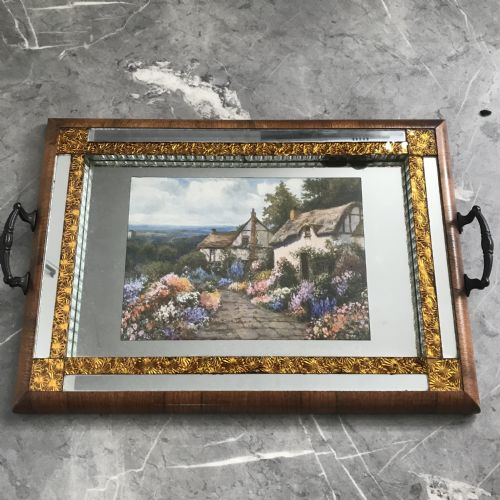
While traditional console and side tables appear, the listings demonstrate that framing elements often manifest through associated forms like mirrored trays, dressing table mirrors, and console table structures. Walnut, burr walnut, and chrome dominate the physical forms available on this page.
Buyers select these items to introduce authentic period character into contemporary or traditional interiors. The combination of warm woods and reflective surfaces delivers the visual impact characteristic of the style.
Distinctions in quality and execution
Superior examples demonstrate meticulous attention to veneer selection, where natural wood grains are mirrored or balanced across prominent surfaces. Lesser pieces rely on uniform timber without thoughtful grain alignment.
The integration of metalwork dictates overall refinement, separating standard production from exceptional craftsmanship. Secure joints, uncompromised plating on chrome elements, and intact glass or mirror components distinguish the finer pieces.
Art Deco Table Frame Retail Price Guide 2026
Typical asking prices for art deco table frame among the pieces listed under this phrase on Sellingantiques today, from the lower quarter to the upper quarter. They describe what is for sale here now, not the wider market.
The listings on this site combine 1930s items with 1920s examples, utilising materials such as mirrored glass, chrome, and burr walnut.
Blangy Clockmakers·ELLIOTT of LONDON·GEC
The Art Deco Table Frame Glossary
- Burr walnut
- A highly figured wood veneer derived from walnut tree growths, valued for its swirling, complex grain patterns. It provides a luxurious surface texture on period furniture.
- Chrome
- A metallic finish applied to steel or iron to resist corrosion and provide a bright, reflective surface. This material is fundamental to the modernist aesthetic of the interwar period.
- Veneer
- A thin slice of decorative wood glued over a structural base timber. This technique allows makers to display expensive or highly figured woods efficiently.
- Triptych
- A three-panelled arrangement, commonly seen on dressing table mirrors where the outer wings adjust at angles. It offers versatile reflection from multiple viewpoints.
Art Deco Table Frame: Frequently Asked Questions
How do I identify genuine period pieces?
Examine the construction methods, materials, and joinery typical of the early twentieth century rather than relying solely on surface appearance. Genuine items exhibit the specific timber selections and metal treatments characteristic of the 1920 and 1930 eras.
Familiarity with the distinct weight and patination of period chrome and glass helps differentiate original manufacturing from later reproductions. Maker marks and stamps further confirm authenticity.
What rooms suit these items best?
These pieces integrate well into living rooms, hallways, and bedrooms where their architectural lines can function as focal points. Their reflective surfaces and warm wood tones complement both minimalist and eclectic interior schemes.
Positioning them away from direct heat sources ensures that delicate veneers and finishes remain stable over time. Proper placement enhances both their decorative and practical utility.
How do I care for wooden surfaces?
Maintain timber and veneer surfaces by dusting regularly with a soft, dry cloth and avoiding harsh chemical cleaning agents. Occasional application of appropriate wax preserves the moisture and lustre of the wood.
Keep pieces out of direct sunlight to prevent the fading of burr walnut and other sensitive grain patterns. Consistent indoor humidity protects against timber movement.
How do metal frames differ?
Metal framing elements vary from polished chrome to brushed brass, reflecting the shifting tastes of the interwar decades. Each metal imparts a distinct tonal quality to the overall design.
Care for these components involves gentle cleaning to maintain the protective coating without abrading the underlying finish. Inspecting the joins reveals the structural integrity of the metalwork.