



Art Deco Storage Credenza
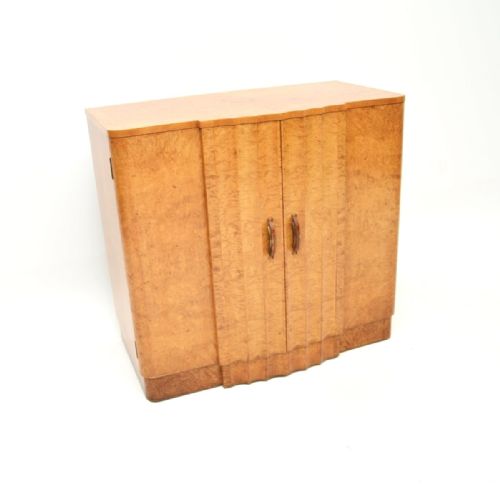
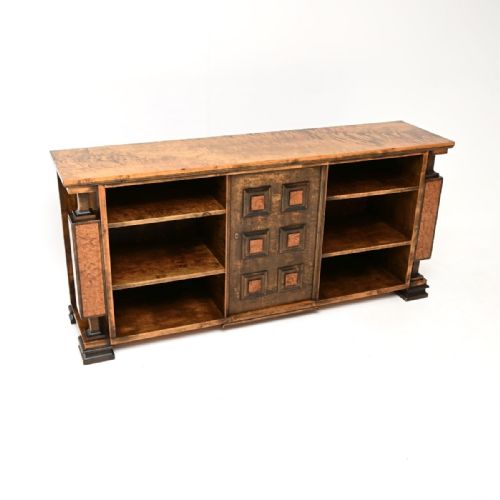
An art deco storage credenza brings bold geometric lines and striking wood grains into a room, offering practical storage disguised as striking architecture.
Art Deco Storage Credenza
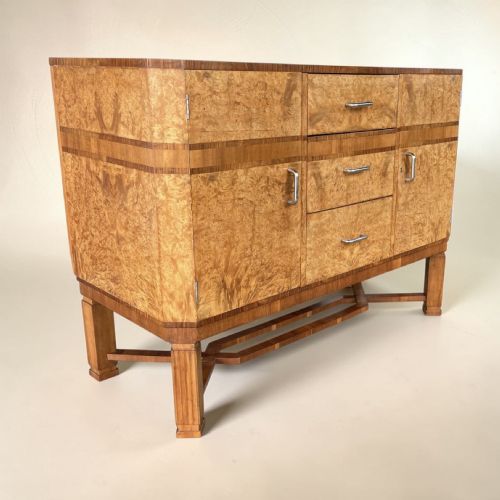
An art deco storage credenza combines heavy horizontal presence with compartments designed for modern living, spanning sideboard forms and cocktail cabinets. The pieces met here frequently date from the nineteen thirties and draw on French and English cabinet-making traditions.
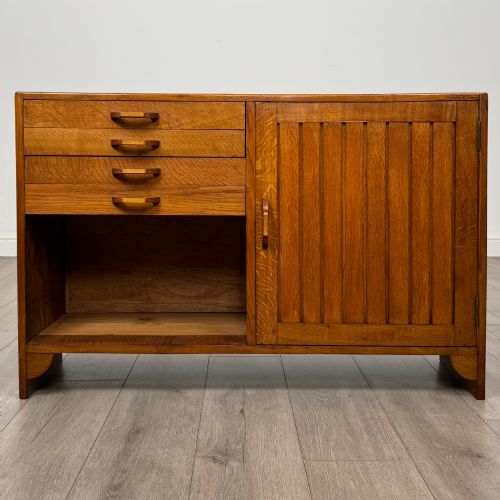
Makers utilised cupboard doors and fitted drawers to conceal domestic items while presenting a symmetrical, clean-lined facade. Sideboards and side cabinets dominate the selection, often taking the form of low, long storage units.
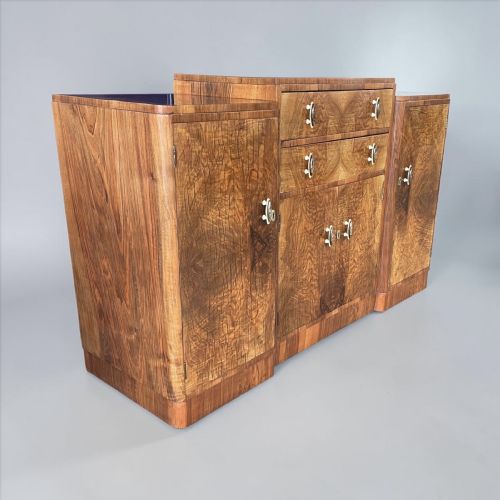
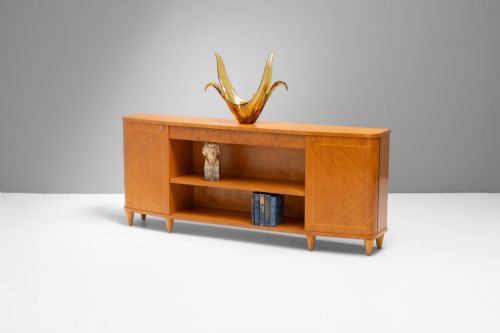
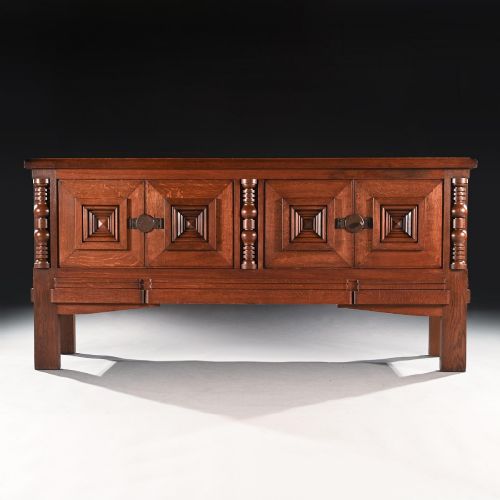
Regional variations appear across the inventory, from Swedish satin birch models to English walnut examples by notable firms. Buyers frequently encounter French iterations alongside robust oak pieces from domestic manufacturers.
Materials and construction methods
Cabinet makers applied figured veneers such as burr walnut, palisander, and mahogany over solid timber carcases to achieve dramatic patterns on large surfaces. Wood veneer allowed workshops to wrap curves and flat planes alike in continuous grain.
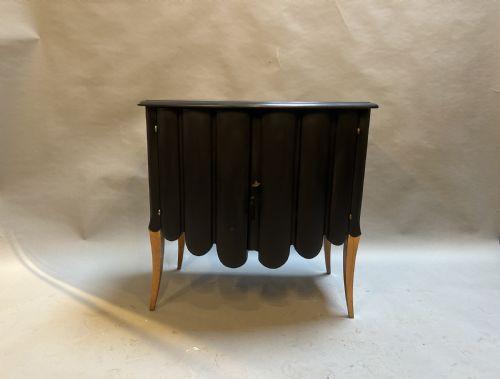
Metal components, including brass handles, aluminium sheeting, and ebonised wood accents, contrast sharply against warm polished timber. Bakelite and parchment occasionally appear as surface details on specialised compartments and drawer fronts.
Art Deco Storage Credenza Retail Price Guide 2026
Typical asking prices for art deco storage credenza among the pieces listed under this phrase on Sellingantiques today, from the lower quarter to the upper quarter. They describe what is for sale here now, not the wider market.
Listings feature walnut, burr walnut, oak, and metal alongside rarer materials like parchment and bakelite.
Distinctions in construction and design
Superior examples rely on matched veneer panels that mirror grain patterns symmetrically across doors and drawers, while simpler versions use plain timber boards. The handling of curved corners and serpentine fronts separates standard production furniture from bespoke workshop commissions.
Internal fitting quality dictates utility, with specialised drawers for cutlery and mirrored cocktail interiors representing higher execution levels. The integration of solid brass hardware rather than plated base metals indicates the standing of the original maker.
Harry and Lou Epstein·Hamptons of Pall Mall London·The Bowman Brothers·Charles Dudouyt·Heals of London
The Art Deco Storage Credenza Glossary
- Credenza
- A low cabinet or sideboard designed primarily for storage, often featuring a combination of cupboards and drawers. These pieces sit lower than tall bookcases and emphasise horizontal surface space.
- Burr walnut
- A prized timber harvested from tree growths that produces swirling, mottled grain patterns. Cabinet makers prized this material for creating focal panels on doors.
- Palisander
- A dense, dark exotic hardwood with strong contrasting grain, frequently utilised in high-end cabinet work. The timber takes a high polish and anchors geometric designs.
- Ebonised wood
- Timber treated with chemical finishes or stains to resemble ebony. This dark material outlines geometric panels and hardware mounts.
Art Deco Storage Credenza: Frequently Asked Questions
What is an art deco storage credenza used for?
These cabinets serve as living room or dining room storage, holding dinnerware, glassware, or media equipment behind solid doors. Interiors often contain adjustable shelving or dedicated compartments for specific domestic items.
Cocktail variants include specialised storage for bottles and glassware, transforming a standard sideboard into a drinks station. The flat top surface provides ample space for lamps, trays, or decorative objects.
How do I identify a nineteen thirties credenza?
Look for symmetrical geometric door fronts, stepped cornices, and horizontal massing rather than vertical carving. The absence of traditional historical revival motifs points directly to this twentieth century modernist aesthetic.
Materials like burr walnut combined with contrasting ebonised timber or metal trim offer strong chronological indicators. Hardware often takes the form of geometric pull handles or concealed finger recesses.
Where were these cabinets manufactured?
Production centres spanned London workshops, regional English furniture factories, and Parisian studios. Firms in France and Sweden developed distinct regional interpretations using local birch and exotic imported timbers.
London department stores and specialised cabinet makers retailed many of the surviving British examples. Maker stamps inside drawers or paper labels on the back panels frequently record these origins.
How do I care for wood veneer surfaces?
Protect the polished timber from direct sunlight to prevent fading and keep away from intense heat sources that cause veneer to lift. Dust regularly with a dry cloth and apply occasional clear wax to nourish the grain.
Avoid liquid furniture polishes containing silicone, which build up a hazy film over time. Lift items rather than sliding them across the top surface to prevent scratching the polished finish.