





Art Deco Stained Glass
Art deco stained glass pieces bring geometric clarity and rich coloured tones to domestic spaces, offering a striking focal point for any interior.
Art Deco Stained Glass
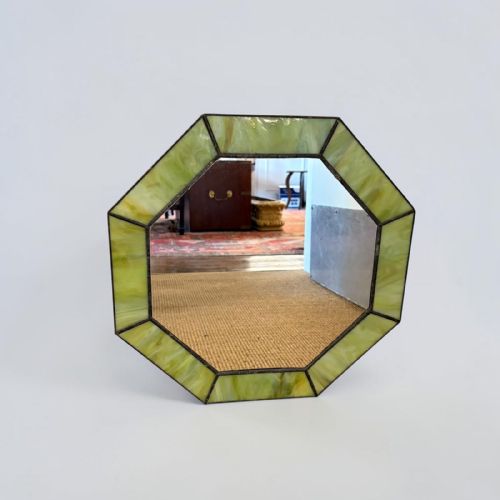
When you search for art deco stained glass, you encounter a distinct variety of decorative objects and architectural elements dating principally from the early twentieth century. The selection spans structural panels, domestic mirrors, and delicate tabletop accessories which incorporate the characteristic motifs of the era.
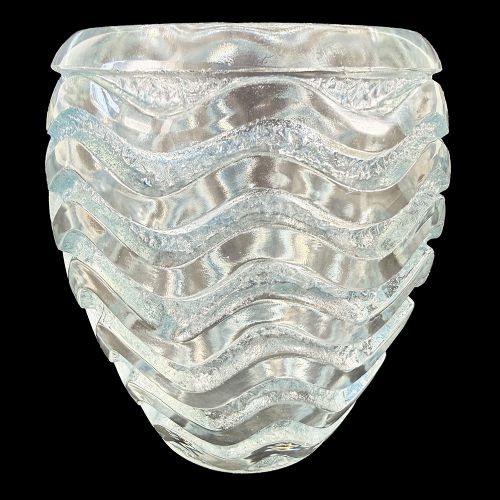
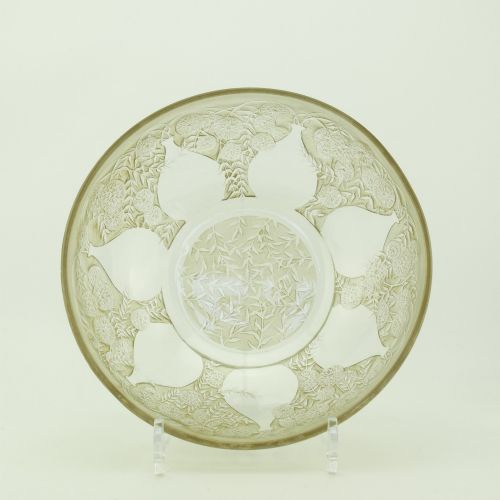
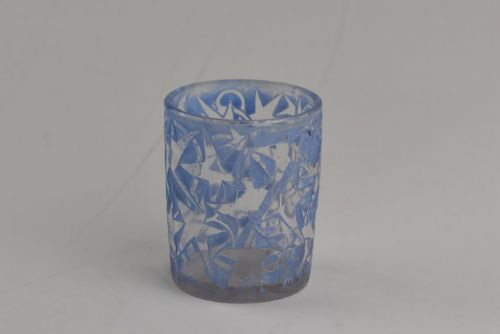
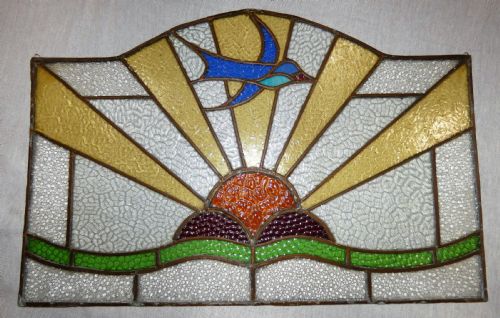
The objects most frequently met on this page include moulded vases, decorative bowls, and perfume bottles, alongside architectural window panels. These items demonstrate the transition from earlier florid aesthetics into the cleaner, more stylised geometry associated with the period.
Originating largely from the 1920s and 1930s, these pieces reflect the manufacturing ambitions of their time, combining functional utility with artistic expression. Makers utilised glass as a primary medium for capturing light and colour within interior spaces.
How They Were Made
Production relied heavily on moulded glass, frosted glass, and opalescent glass, which were often shaped to catch and diffuse light effectively. Artisans combined these techniques with lead cames to hold complex window panels together securely.
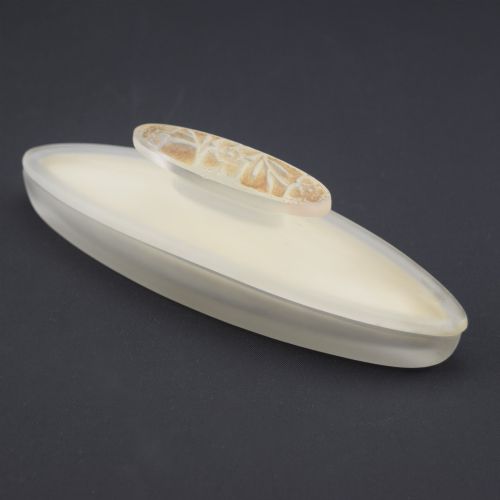
Colour was frequently introduced through sepia stain, blue staining, red staining, or enamel applications directly onto the glass surface. These pigments were carefully fired to ensure permanence, highlighting intricate moulded details such as flora, fauna, and geometric patterns.
Art Deco Stained Glass Retail Price Guide 2026
Typical asking prices for art deco stained glass among the pieces listed under this phrase on Sellingantiques today, from the lower quarter to the upper quarter. They describe what is for sale here now, not the wider market.
Listings feature items spanning the Edwardian period through to the 1950s, highlighting the evolution of glass design.
What Varies in Quality
The standard of an art deco stained glass piece depends largely on the crispness of the moulding and the depth of the applied stain. Superior examples exhibit precise application of colour that accentuates the relief without obscuring the underlying material quality.
Design complexity and the condition of the leadwork or glass surface also distinguish finer works from standard production items. Pieces that retain their original intended colouration and structural integrity generally represent the highest standard of the maker's output.
Rene Lalique·Roger And Gallet
The Art Deco Stained Glass Glossary
- Opalescent glass
- Glass containing milky, translucent properties that create a shimmering, pearl-like play of light across the surface. This material diffuses illumination softly, making it popular for decorative vases and sculptural objects.
- Lead came
- The flexible lead channel used to join individual pieces of glass together in stained glass windows and panels. It provides structural support while framing each coloured segment.
- Sepia stain
- A dark brown pigment applied to glass and fired to create tonal shading and depth within moulded designs. It is frequently seen on early twentieth-century decorative plates and vessels.
- Moulded glass
- Glass shaped by being pressed into a metal or wooden form while molten, allowing for consistent replication of complex decorative patterns. This technique enabled the mass production of art deco tableware and ornamental items.
Art Deco Stained Glass: Frequently Asked Questions
How do I clean antique stained glass?
Maintenance requires gentle dusting with a soft, dry cloth to protect fragile surface treatments and staining. Avoid using harsh chemical cleaners that might degrade the lead cames or strip the original pigments.
Water should be used sparingly, and panels or objects must be dried immediately. Professional conservation is recommended for pieces showing structural weakness in the leadwork.
Are these glass items suitable for daily use?
Many items, such as vases, bowls, and perfume bottles, were designed for decorative display rather than robust daily handling. Their delicate moulded surfaces and coloured stains can wear over time if subjected to frequent friction or washing.
Placing them in stable display locations away from high-traffic household areas helps preserve their condition. Fragile perfume bottles and cigarette holders are best appreciated as cabinet pieces.
How can I date an art deco glass piece?
Dating relies on stylistic indicators such as geometric symmetry, stylised natural motifs, and specific manufacturing signatures. The presence of characteristic staining techniques from the 1920s also helps establish the timeframe.
Comparing the object's form with documented historical catalogues provides further verification of its production era. Material composition and weight offer additional clues to manufacturing methods of the period.
What is the difference between stained and opalescent glass?
Stained glass refers to glass that has had colour applied to its surface or incorporated during creation to achieve specific hues. Opalescent glass possesses a milky, iridescent quality that diffuses light internally.
Art deco objects often combined both properties to enhance their visual depth and texture. The interplay of these materials defines much of the period's decorative glassware.