



Art Deco Silver Decanter
An art deco silver decanter brings sharp geometric lines and polished metal mounts to the drinks tray.
Art Deco Silver Decanter
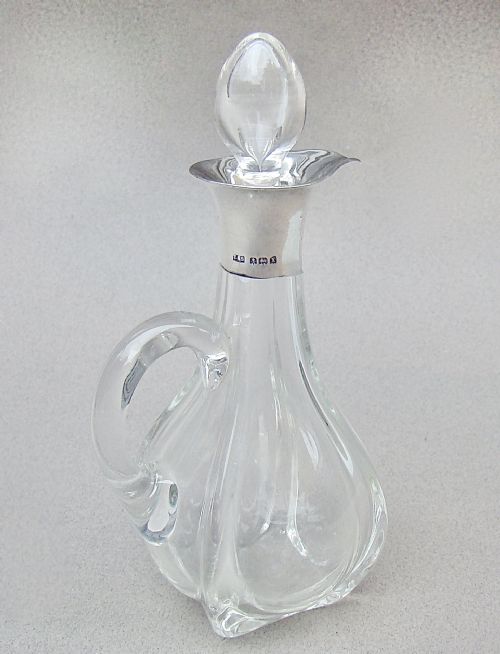
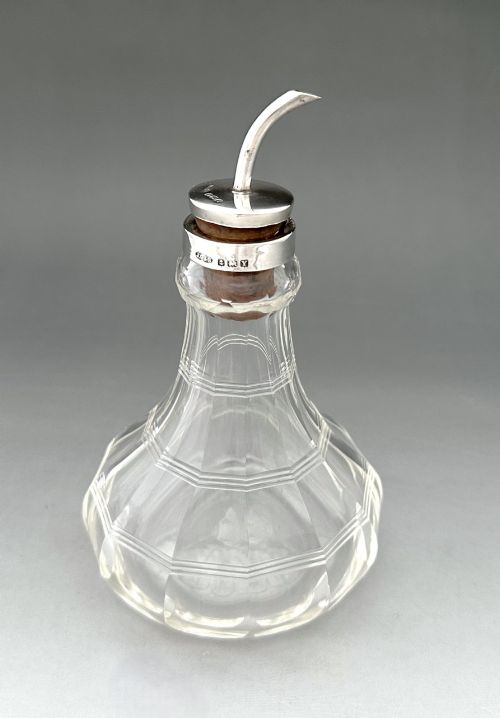
An art deco silver decanter combines glass or crystal bodies with sterling silver, chrome, or enamel mounts typical of the interwar period. The forms range from tall cocktail shakers and locking tantalus frames to classic spirit jugs and heavy-cut crystal vessels.
Most examples date between the nineteen-twenties and nineteen-forties, spanning the height of the modernist design movement. Buyers encounter everything from blue glass and clear cut crystal to novelty cockerel shakers and tall barware sets.
How they were made
Makers combined heavy moulded or cut glass and crystal with hallmarked sterling silver collars, mounts, and stoppers. Chrome and enamel additions introduced bright colour contrast and smooth metallic planes suited to modernist interiors.
Silversmiths cast, spun, and hammered the metal components to fit specific glass forms, frequently incorporating locking mechanisms or hinged lids for spirit security.
Art Deco Silver Decanter Retail Price Guide 2026
Typical asking prices for art deco silver decanter among the pieces listed under this phrase on Sellingantiques today, from the lower quarter to the upper quarter. They describe what is for sale here now, not the wider market.
Several cocktail shakers take the form of painted cockerels and glass ships, proving that interwar hosts enjoyed a heavy dose of theatre with their evening drinks.
What varies in quality
The weight and clarity of the glass or crystal body dictate the foundation of a piece, with heavy-cut crystal outlasting lighter moulded vessels. Substantial gauge silver mounts and crisp hallmarks from recognised makers separate standard production items from finer workshop output.
Integrity of the design execution, such as clean enamel work, smooth locking mechanisms, and matching stoppers, determines the overall standard of surviving barware.
Hukin and Heath·Barnsley and Co·Jacques Adnet·L.N. Griffiths·Asprey and Co·Keller, Paris
The Art Deco Silver Decanter Glossary
- Tantalus
- A locked wooden or metal frame holding decanters securely so the contents cannot be poured without a key. This clever device kept expensive spirits safe from household staff.
- Noggin
- A small mug or jug used for serving a single measure of spirits. These vessels frequently feature sterling silver mounts and early twentieth-century hallmarks.
- Glug glug decanter
- A vessel featuring a constricted neck that produces a distinctive gurgling sound when liquid is poured. The form relies on precise glassblowing techniques.
- Cocktail shaker
- A barware vessel designed for mixing drinks, often fitted with a removable silver or chrome top and strainer. These pieces sometimes display enamelled animal motifs.
- Claret jug
- A pouring vessel specifically shaped for red wine, combining a glass body with a hinged silver handle and spout. These items date across Edwardian and art deco periods.
Art Deco Silver Decanter: Frequently Asked Questions
What is an art deco silver decanter?
An art deco silver decanter is a drinking vessel from the interwar period that pairs a glass or crystal body with sterling silver or chrome mounts. These pieces reflect the geometric design trends of the nineteen-twenties and nineteen-thirties.
They appear as cocktail shakers, spirit jugs, and locking tantalus sets designed for entertaining.
How do I date an art deco decanter?
Dating relies primarily on the silver hallmarks stamped on the collars, mounts, or stoppers, which indicate the assay office and year of production. Stylistic markers such as modernist chrome framing or enamelled motifs also point to the interwar era.
Many pieces carry specific decade attributions ranging from the nineteen-twenties through to nineteen-forty.
How were these decanters used originally?
Original use centred on the home bar and dining room for serving spirits, wine, and mixed cocktails during social gatherings. Locking variants were specifically employed to safeguard expensive household liquor.
Matching glass sets and cruet frames extended this service to oils, vinegars, and liqueurs.
How do I care for silver and glass barware?
Care requires hand washing the glass and crystal bodies in warm water without harsh abrasives to protect the material. Silver mounts and collars need periodic polishing with a soft cloth to maintain their lustre.
Harsh chemical dips should be avoided to prevent damage to integrated enamel or chrome surfaces.