





Art Deco Serving Dish
An art deco serving dish brings geometric clarity and functional elegance to the table, uniting period craftsmanship with striking modernist design.
Art Deco Serving Dish
An art deco serving dish encompasses a distinct range of vessels designed for table service, incorporating the characteristic geometry and streamlined forms of the early twentieth century. The selection spans the decades from nineteen ten to nineteen thirty, showing both domestic British production and notable continental output.
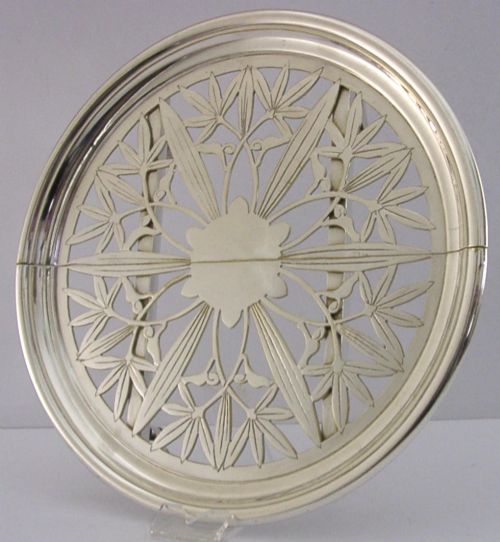
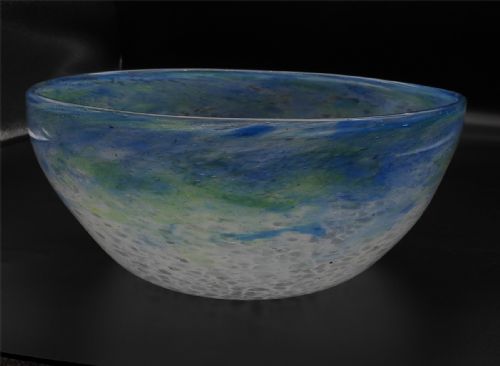
Buyers encounter versatile serving dishes, lidded pieces, and specialised fruit or bread baskets alongside glass bowls and trays. Silver plate and glass dominate the physical forms, often combined with oak or mirror elements to create functional serveware.
French pieces feature prominently alongside British makers, displaying the characteristic French art deco aesthetic through opalescent glass and substantial silver plated mounts. These serveware items function equally well as decorative bowls or practical table accessories.
How they were made
Makers utilised silver plate over base metals to achieve durable, lustrous surfaces for stands, baskets, and lidded dishes. This metalwork frequently accompanied pressed, cut, or opalescent glass inserts, creating contrasting textures.
Glass production relied on moulding and pressing techniques, exemplified by specialised opalescent pieces and coloured glass bowls. Woodwork such as oak provided stable bases and rotating mechanisms for specialised items like lazy susan tazzas.
Art Deco Serving Dish Retail Price Guide 2026
Typical asking prices for art deco serving dish among the pieces listed under this phrase on Sellingantiques today, from the lower quarter to the upper quarter. They describe what is for sale here now, not the wider market.
Listings feature items spanning the nineteen tens, nineteen twenties, and nineteen thirties, predominantly executed in silver plate and glass.
What varies in quality
The distinction between standard commercial production and finer output rests upon the weight of the metal and the crispness of the plating. Substantial silver plate mounts demonstrate superior manufacturing standards compared to lighter commercial wares.
Glass quality varies from straightforward pressed vessels to deeply sculpted opalescent or signed works by recognised makers. The integration of mixed materials, such as mirrored glass and silver plate, reveals the ambition of the original design.
Christofle·G Vallon·Rene Lalique·Brille Paris·Walker and Hall·John Collyer Birmingham
The Art Deco Serving Dish Glossary
- Silver Plate
- A base metal coated with a thin layer of silver to provide a decorative finish. This technique allowed manufacturers to produce elaborate tableware at a lower cost than solid silver.
- Opalescent Glass
- Glass that displays a milky, translucent appearance with shifting iridescent tones, often shifting in colour under different lighting conditions. It became a signature medium for French designers of the period.
- Lazy Susan
- A rotating tray placed on a table to assist in moving food easily between diners. In this period, they were frequently constructed with oak frames and raised platforms.
- Tazza
- A shallow saucer-like dish mounted on a stem and foot, used historically for serving small portions of food or fruit. The form was adapted by modernist designers into low, broad serving vessels.
- Cobalt Glass
- Glass coloured deep blue by the addition of cobalt oxide during manufacturing. It provided a striking visual contrast when set against polished metal frames.
Art Deco Serving Dish: Frequently Asked Questions
How do I clean a silver plated serving dish?
Clean silver plated items gently using a soft cloth and specialised silver cleaner to preserve the underlying metal plating. Avoid harsh abrasives that might wear away the silver layer over time.
For pieces incorporating glass or wood sections, keep moisture away from wooden elements and wash glass inserts separately in warm soapy water.
Are these serving dishes suitable for daily use?
Most pieces function well for serving dry foods, bread, or fruit during special meals. Care should be taken with delicate glass bowls and older silver plate.
Hand washing is essential for all items from this era to protect both the metal surfaces and the original glass finishes.
How can I identify French pieces?
French items often display distinct styling markers, such as opalescent glass or heavy silver plated mounts with characteristic foundry stamps. Signatures etched into the glass surface also point directly to continental makers.
Makers such as Christofle and individual glass artists established specific marks that appear on the base or rim of the object.