


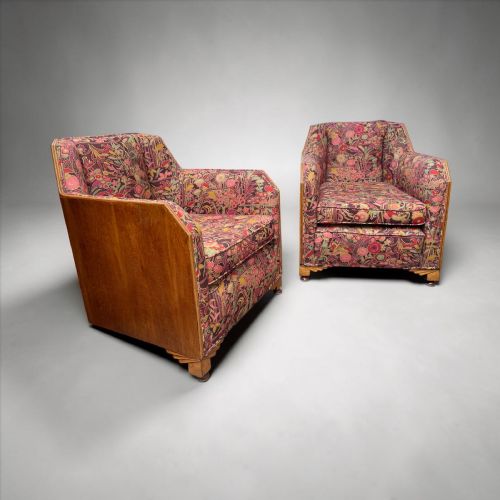

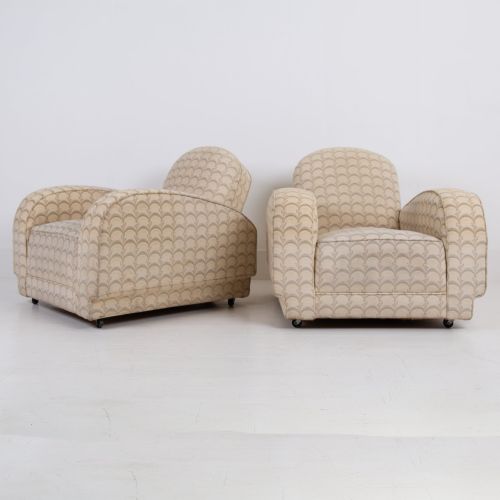
Art Deco Seats
Art deco seats bring distinctive twentieth-century geometry and comfort to a room.
Art Deco Seats
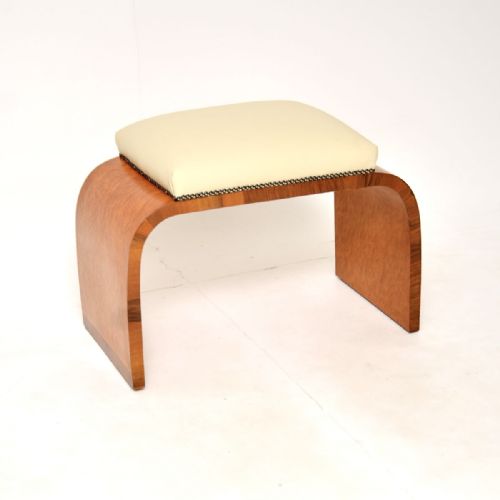
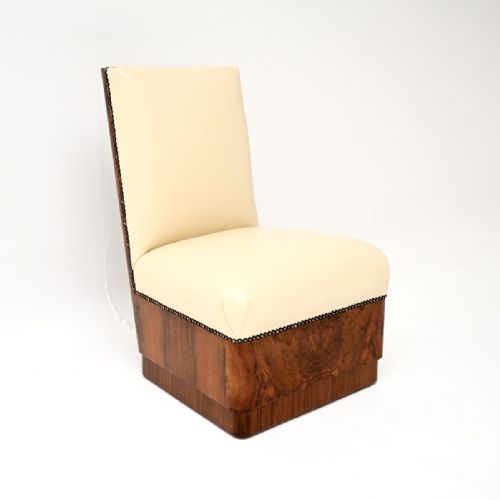
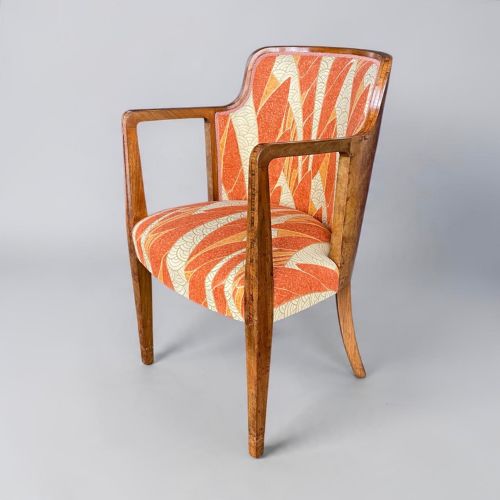
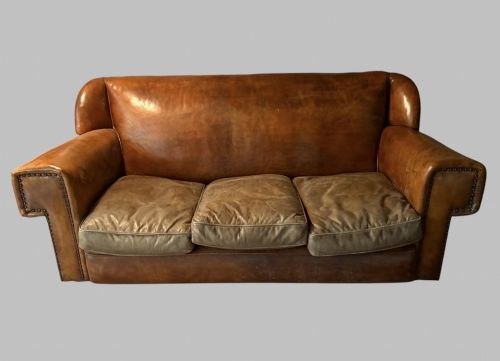
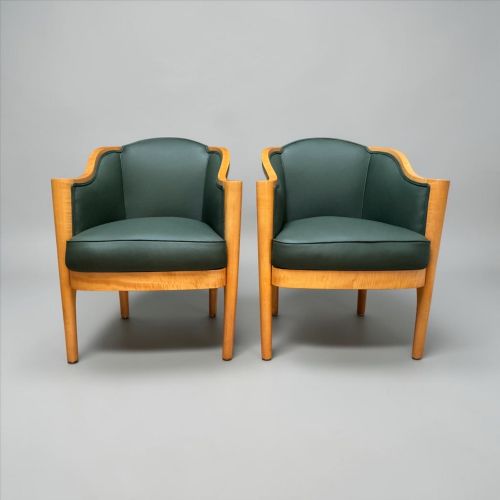
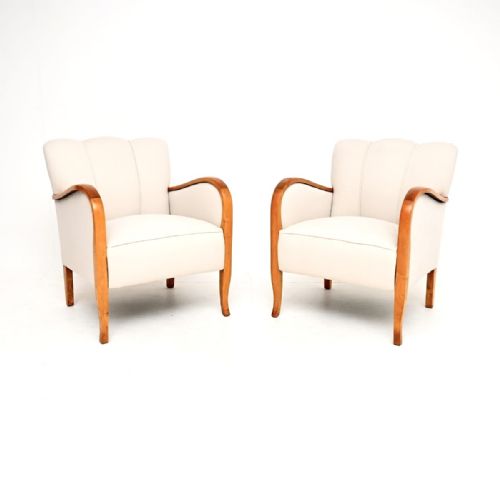
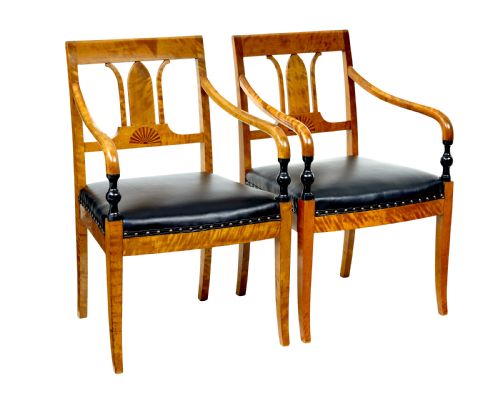
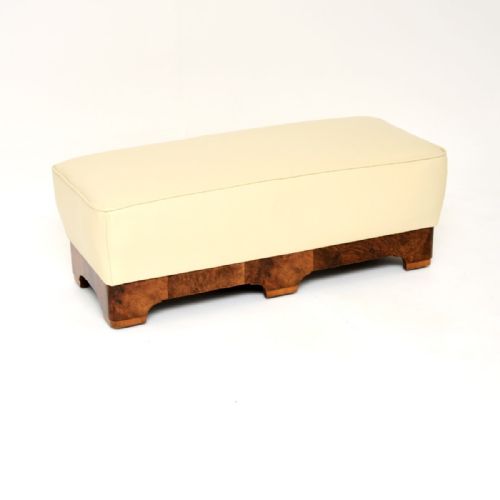
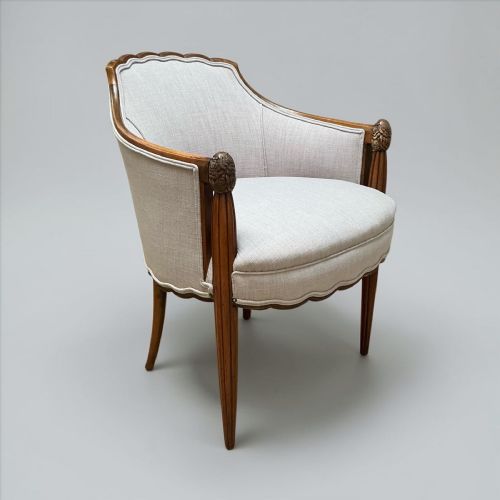
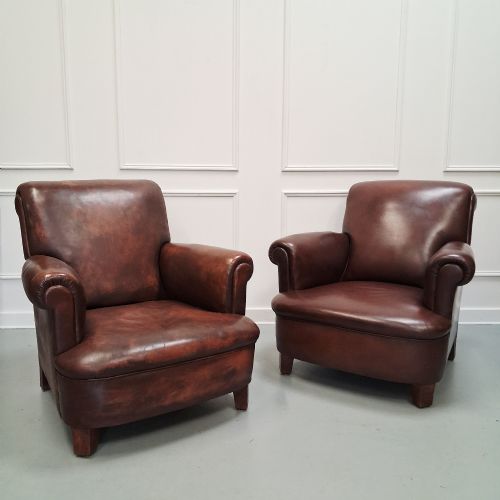
When you search for art deco seats, you encounter sturdy armchairs, compact stools, and low sofas designed during the nineteen-twenties and thirties. The selection relies heavily on pairs of club chairs and occasional chairs, alongside occasional footstools and dressing stools.
Most examples originate from British, French, and Scandinavian workshops, capturing the international reach of the style. Pieces span simple side chairs up to substantial lounge suites, with armchairs forming the core of the available objects.
How they were made
Frames rely on solid timber foundations constructed from walnut, burr walnut, oak, sycamore, and birch, often bent or shaped into fluid curves. Upholstery traditionally combines supple leather or textured fabric over sprung interiors.
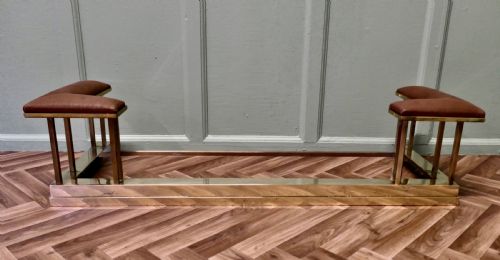
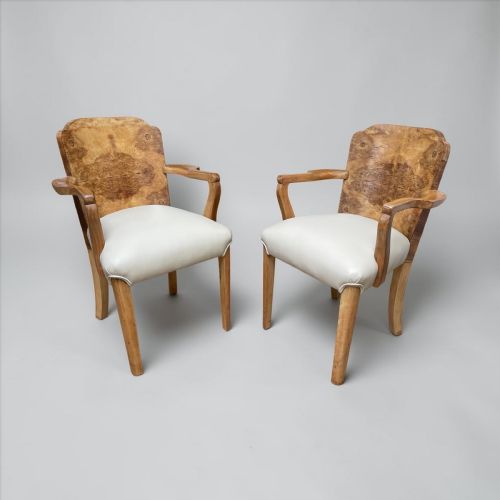
Cabinet makers utilised decorative wood veneers like birds eye maple and satin birch to create striking visual grains across visible wooden surfaces. Metal details such as brass appear on specific forms like club fenders to accent the primary materials.
Art Deco Seats Retail Price Guide 2026
Typical asking prices for art deco seats among the pieces listed under this phrase on Sellingantiques today, from the lower quarter to the upper quarter. They describe what is for sale here now, not the wider market.
Listings span pieces from nineteen-twenty up to nineteen-thirty, combining timber frames of oak, walnut, and birch with leather and fabric.
What varies in quality
Quality rests upon the selection of timber veneers and the precision of the joinery shaping the frame. Superior items demonstrate careful matching of burr walnut or satin birch grains across the visible sections of the chair.
The integrity of the original leather or the execution of replacement upholstery defines the tactile finish of the piece. Master makers integrated structural form with material comfort, whereas lesser workshops produced simpler, utilitarian frames.
Maurice Adams·Hille·Harry and Lou Epstein·Bath Cabinet Makers·Heals
The Art Deco Seats Glossary
- Club fender
- A low padded seating structure traditionally placed around a fireplace hearth, often combining brass frames with leather bench tops.
- Club chair
- A deep, heavily upholstered armchair designed for relaxed lounging, frequently finished in dark or tan leather.
- Satin Birch
- A pale, light-reflecting timber with a smooth grain utilised extensively by Scandinavian makers for modernist furniture.
- Cloud suite
- A matching lounge arrangement featuring rounded, bulbous upholstery contours reminiscent of cumulus clouds.
Art Deco Seats: Frequently Asked Questions
What defines an art deco chair?
These chairs combine streamlined geometric silhouettes with luxurious materials like burr walnut, satin birch, and supple leather. The aesthetic favours clean vertical or horizontal lines balanced by generous, curved cushioning.
Craftsmen built them to project modernity and comfort, departing from heavy Victorian ornamentation into sleek, functional forms.
How do I identify French club chairs?
French club chairs from this era typically feature deep, low seats upholstered in thick, patinated leather with rounded armrests. They prioritise substantial comfort over rigid structural formality.
Makers in France focused on tactile hides and robust wooden internal frames that provided a relaxed, informal posture.
Where were Scandinavian art deco seats made?
Scandinavian workshops in Sweden produced distinctive seating utilising pale local timbers such as satin birch and birch veneers. These pieces emphasise light wood tones and minimalist geometry.
The regional approach diverged from darker British walnut pieces by celebrating natural, pale grain patterns and restrained ornamentation.
How do I care for leather art deco furniture?
Leather upholstery requires regular conditioning to maintain flexibility and prevent the surface from drying out over time. Keep pieces away from direct sunlight and artificial heat sources to protect the hide.
Gentle cleaning with appropriate soft cloths preserves the natural patina developed across decades of use.