



Art Deco Porcelain Vase
An art deco porcelain vase brings geometric vigour and vibrant enamels to a room, offering the quintessential spirit of interwar design.
Art Deco Porcelain Vase
When you search for an art deco porcelain vase, you are looking at vessels that span the early decades of the twentieth century, particularly the nineteen-twenties and nineteen-thirties. The pieces on this page lean heavily into English ceramic traditions of that era, alongside continental European works.
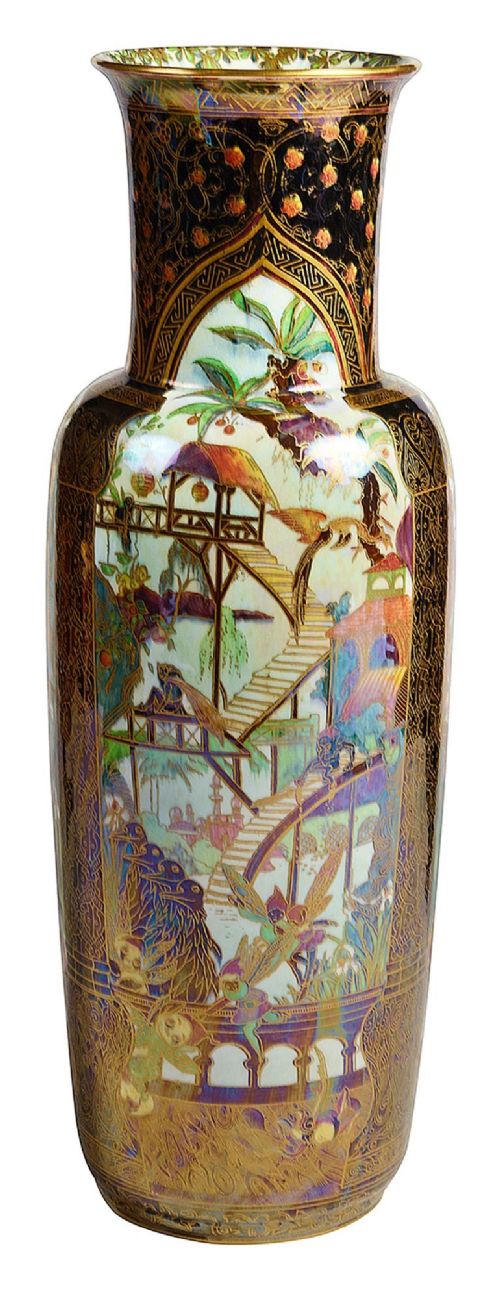
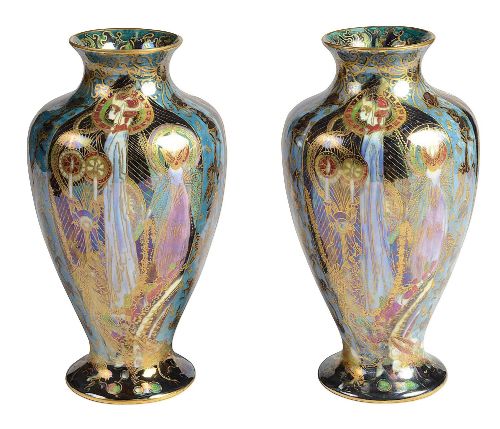
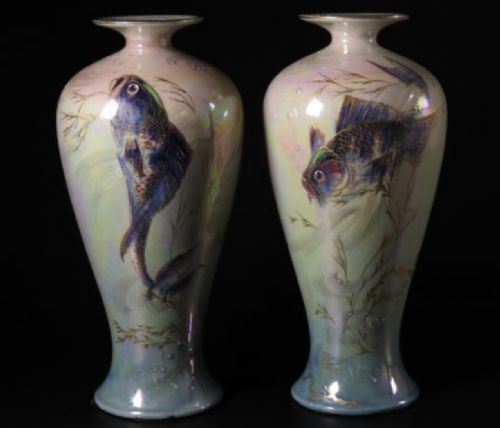
You will encounter baluster forms, covered jars, and tall cylindrical shapes bearing stylised motifs. Many pieces combine porcelain or bone china with earthenware bodies, decorated in rich enamel palettes or iridescent lustre glazes.
Materials and construction
Potteries shaped these vessels using traditional throwing and casting methods, employing porcelain, bone china, and earthenware as foundations. Makers then applied glossy white or coloured glazes to seal the ceramic bodies before decorative work began.
Surface decoration relied on hand painting, enamel application, and lustre finishes, sometimes augmented with touches of gold leaf. Skilled artisans painstakingly hand-enamelled intricate designs onto the glazed surfaces, creating rich depth and texture.
Art Deco Porcelain Vase Retail Price Guide 2026
Typical asking prices for art deco porcelain vase among the pieces listed under this phrase on Sellingantiques today, from the lower quarter to the upper quarter. They describe what is for sale here now, not the wider market.
Decoration techniques recorded include gold leaf application, hand enamelling, and iridescent lustre glazes across various baluster and jar forms.
Judging quality
The distinction between ordinary production and superior work rests on the precision of the hand-painted enamel and the depth of the lustre glaze. Finer pieces display crisp, confident brushwork and complex narrative or geometric patterns rather than simple stencilled repeats.
The sophistication of the form and the reputation of the designing hand elevate certain vessels above standard factory output. Weight, balance, and the smoothness of the glaze application further distinguish the better examples in any collection.
Wedgwood·Shelley·Minton·Carlton Ware·Royal Copenhagen·Royal Doulton·Royal Winton·Falcon Ware
The Art Deco Porcelain Vase Glossary
- Lustre glaze
- A metallic film applied to pottery that produces an iridescent, mother-of-pearl sheen when fired. It catches the light and shifts colour depending on the angle of view.
- Baluster
- A tall vase form with a rounded body that tapers toward the base and flares slightly at the neck. This silhouette was a favourite for displaying elaborate patterns.
- Enamel
- Opaque or translucent glass fused to the ceramic surface through firing. It provides the brilliant, saturated colours characteristic of the period.
- Bone china
- A type of porcelain containing animal bone ash, resulting in a strong, milk-white body with high translucency. It allows for thinner walls and delicate forms.
Art Deco Porcelain Vase: Frequently Asked Questions
Are these vases waterproof?
Many of these vessels are fully glazed on the interior and can hold water for fresh flowers. However, older earthenware bodies and pieces with delicate lustre finishes are best kept dry to protect the ceramic.
Consider placing a small glass or plastic liner inside if you wish to use the vase for arrangements. This prevents moisture from seeping into any hairline fractures in the glaze.
How do I date an art deco piece?
Examine the base for maker's marks, registration numbers, and pattern names stamped into the ceramic or painted by hand. These factory ciphers often correlate with specific production years.
Stylistic cues such as angular motifs, stylised natural forms, and particular enamel palettes also point toward the interwar decades. Comparing the signature style to known works by documented designers narrows the timeframe further.
Where should I display my vase?
Position your vessel in a spot with stable temperature and indirect lighting to protect the hand-painted enamels from fading. A sturdy mantelpiece, cabinet shelf, or dedicated side table lets the geometric forms stand out.
Keep pieces away from direct heat sources and high-traffic areas where they might be knocked over. Good ambient light will bring out the iridescent qualities of lustre glazes.