



Art Deco Porcelain Dish
An art deco porcelain dish brings bright geometry and character to a dressing table.
Art Deco Porcelain Dish
When you search for an art deco porcelain dish, you encounter decorative items designed to hold trinkets, powder, and cosmetics. These pieces date principally from the nineteen thirties, though Edwardian and earlier designs also appear on the market.
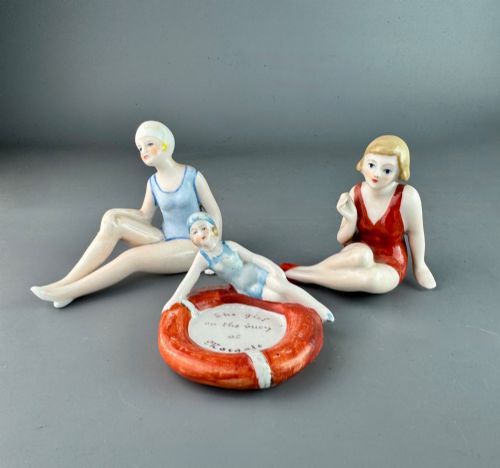
The most common forms on this page include powder boxes, vanity accessories, trinket boxes, and decorative bowls. Many feature figural lids depicting flapper girls, pierrots, jesters, and bathing belles alongside geometric motifs.
Originating from makers in France, Germany, and England, these vessels combine practical vanity storage with the distinct linear style of the period.
Materials and technique
The pieces are formed from ceramic, earthenware, and porcelain bodies, shaped into bowls, jars, and figural boxes. Fired clays provide a smooth foundation for subsequent decoration.
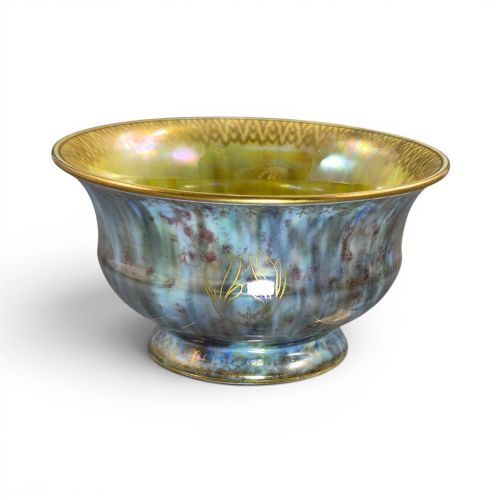
Glazes define the surfaces, incorporating gold leaf, gilt, enamel, and lustre glaze to create rich colour and reflectivity. Hand-painted details bring depth to the figures and patterns adorning each lid.
Art Deco Porcelain Dish Retail Price Guide 2026
Typical asking prices for art deco porcelain dish among the pieces listed under this phrase on Sellingantiques today, from the lower quarter to the upper quarter. They describe what is for sale here now, not the wider market.
A cheerful bathing belle perches on a lid, ready to keep your trinkets safe.
What varies in quality
Quality rests in the crispness of the moulding and the execution of the hand-painted enamels. Finer examples show precise control over lustre glazes and meticulous application of gold leaf.
The sculptural detail of figural lids, such as the expression on a flapper girl or jester, separates standard production items from superior works.
Wedgwood·Limoges·Royal Copenhagen
The Art Deco Porcelain Dish Glossary
- Lustre Glaze
- A type of ceramic glaze that imparts an iridescent metallic sheen upon firing. It reflects light differently depending on the metallic oxides used.
- Powder Box
- A vanity container designed to hold cosmetic face powder, frequently topped with a ceramic or porcelain figure.
- Bonbonniere
- A small ornamental jar or box originally intended for holding sweets or confectionary. On this page, similar ceramic vessels serve dressing table functions.
- Gilt
- A thin layer of gold applied to the surface of porcelain or ceramic. It highlights rims, handles, and decorative motifs.
Art Deco Porcelain Dish: Frequently Asked Questions
What were powder boxes used for?
Powder boxes held loose cosmetic face powder on dressing tables during the early twentieth century. Women used the bowls and jars to store puffs and powder for daily grooming.
Over time, these utilitarian items evolved into decorative vanity accessories that displayed contemporary fashions and sculptural figures.
How do I identify a french piece?
French pieces often originate from workshops in Limoges, taking the form of ceramic powder bowls and bonbonnieres. They rely on refined porcelain bodies and delicate painted decoration.
Makers from this region focused on smooth contours and sophisticated glaze work distinct from German or English production.
What is a half doll?
A half doll is a ceramic upper torso without legs, manufactured to sit atop skirts or powder box lids. These figures often depict flapper girls or ladies with elaborate hats.
The lower half of the doll formed the handle or lid of a trinket or powder box.
Are lustre glazes fragile?
Lustre glazes require careful handling to preserve their metallic sheen and iridescent finish. Harsh cleaning agents can wear away the delicate surface layer over time.
Gentle dusting maintains the lustre without compromising the enamel and gold leaf details.