




Art Deco Porcelain Bowl
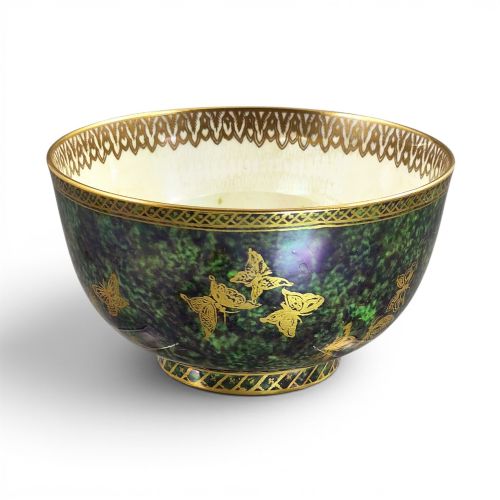
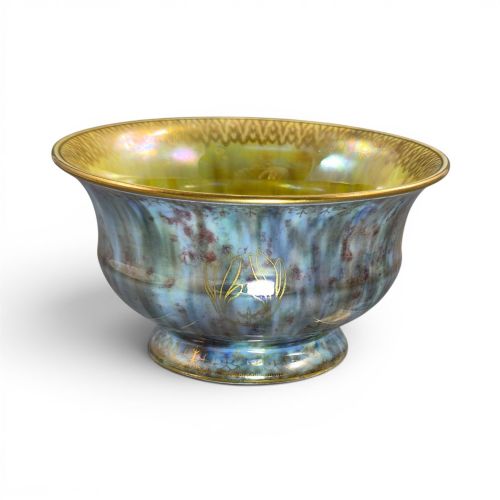
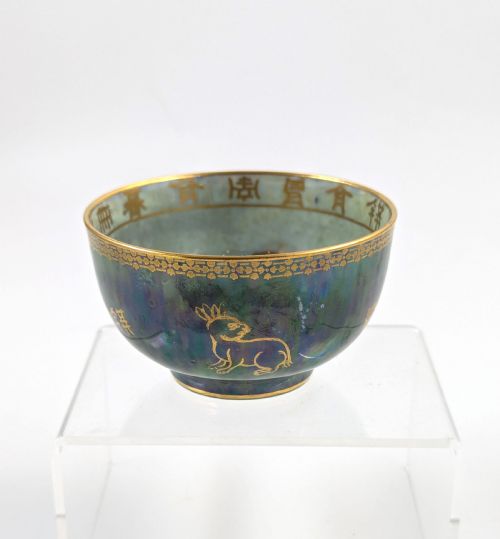
These art deco porcelain bowl examples combine geometric forms and striking enamel decoration from the 1930s and earlier periods.
Art Deco Porcelain Bowl
When you search for an art deco porcelain bowl, you encounter table vessels and vanity pieces produced across the 1910s, 1920s, and 1930s. The selection spans straightforward ceramic bowls alongside elaborate figural powder boxes and trinket jars from French, German, Austrian, and British makers.
You are most likely to meet French and German figural powder bowls featuring half doll flapper girls, alongside intricate lustre glazed octagonal vessels from earlier decades. These objects served functional roles on dressing tables and sideboards before entering the collector market.
Materials and production methods
Potters shaped these pieces from ceramic, porcelain, and bone china before applying intricate glazes and surface paints. Lustre glazes, gold leaf, and gilt details added metallic sheens that caught the light on dressing tables.
Enamel colours were painted onto the fired body to create distinct figures such as pierrots, jesters, and bathing belles. Many French and German receptacles paired moulded ceramic bases with figural porcelain lids depicting the popular fashions of the period.
Listings span the Edwardian period through to the 1930s, utilising porcelain, bone china, ceramic, and lustre glaze finishes.
Assessing quality in period ceramics
Quality rests in the crispness of the moulding and the depth of the glaze application. Pieces with hand-painted enamel work and multi-layered lustre show greater artistic ambition than plain production items.
The precision of the gilt work and the complexity of figural lids separate standard domestic pieces from finer decorative works. Potteries known for artistic innovation achieved cleaner lines and richer colour saturation in their finished glazes.
Wedgwood·Limoges
The Art Deco Porcelain Bowl Glossary
- Lustre Glaze
- A type of ceramic glaze containing metallic salts that produce an iridescent finish upon firing. This technique creates a shimmering, rainbow effect across the surface of the vessel.
- Bone China
- A soft-paste porcelain incorporating bone ash for added strength and translucency. It allows for thinner walls and a whiter base than standard ceramic bodies.
- Half Doll
- A waist-up ceramic or porcelain figure without legs, commonly used as a decorative lid on powder boxes and tea cosies. These figures typically represent fashionable women of the era in elaborate hats.
- Enamel
- Opaque glass fused to the ceramic surface through firing to add decoration and colour. It provides a durable, glossy finish that resists fading over time.
Art Deco Porcelain Bowl: Frequently Asked Questions
What was an art deco porcelain bowl used for?
These vessels served various domestic functions, primarily holding face powder, trinkets, or small vanity items on dressing tables. Many functioned as lidded powder jars to keep cosmetics contained in bedrooms.
Larger octagonal and decorative bowls were also displayed in reception rooms as ornamental objects rather than everyday utility items.
How do I date an art deco porcelain bowl?
Dating relies on stylistic markers such as figural dress, hat styles, and the specific geometric motifs characteristic of the 1930s. Earlier pieces often incorporate Edwardian design elements or distinct lustre glaze patterns.
Maker marks and backstamps stamped into the ceramic base provide the most reliable chronological indicator for origin and production period.
Where were these ceramic bowls made?
Production centres spanned several European countries, with notable workshops operating in France, Germany, Austria, and Britain. British factories specialised in complex lustre glazes, whilst continental potteries produced many of the figural vanity items.
Local ceramic traditions influenced whether a piece emerged as a plain functional bowl or an elaborate figural container.
How should I clean my porcelain bowl?
Maintenance requires gentle cleaning with a soft, dry cloth to remove dust from the glazed surfaces. Avoid submerging pieces with delicate enamel work or gold leaf in water, as moisture can damage fragile pigments.
Harsh chemical cleaners must be avoided entirely to preserve the original lustre glaze and painted details on the ceramic body.