







Art Deco Plinths
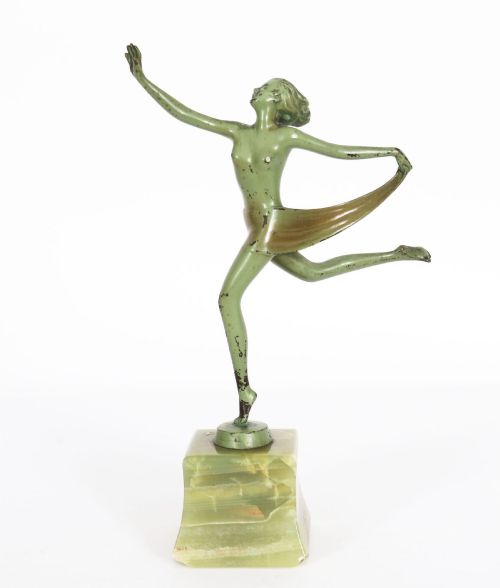
Art deco plinths are sturdy pedestals and integral bases that elevate sculptural bronzes, figures and ceramics.
Art Deco Plinths
The objects appearing under this heading span the 1920s and 1930s, encompassing both dedicated display plinths and the original marble, onyx, granite or wooden bases attached to sculptures. These mountings provide physical stability and visual contrast to the patinated metal, bronze, silver plate or pottery mounted upon them.
Examples on this page draw from French Modernist and Art Deco traditions, often featuring geometric stone blocks, stepped wooden tiers or contrasting polished minerals. Each mount serves to lift the primary artwork into proper view while anchoring the composition.
Materials and construction methods
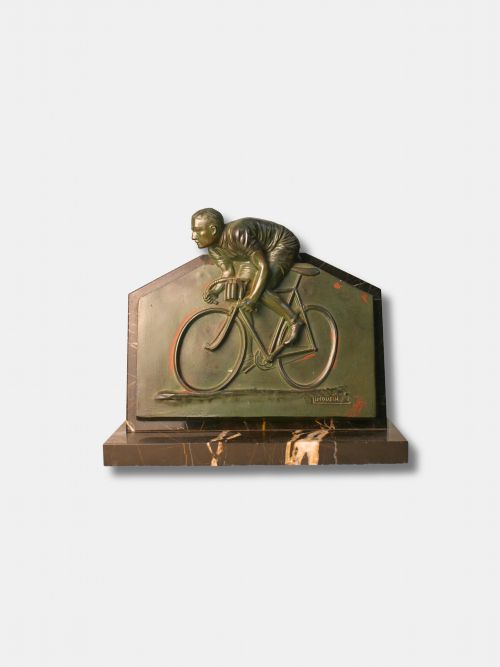
Makers utilised a combination of dense natural stones and hard timbers to construct stable foundations for heavy metalwork. Marble, onyx and granite appear frequently as solid blocks or slabs, cut and polished to support bronze and spelter figures.
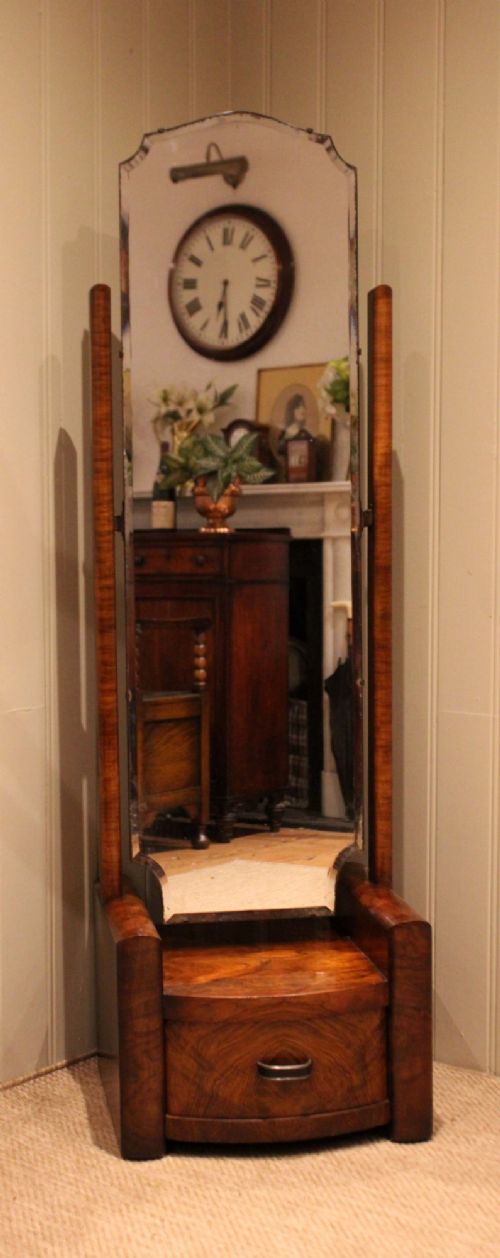
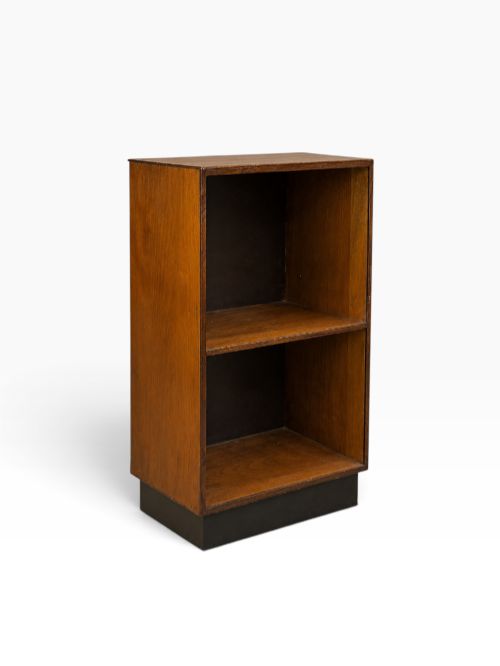
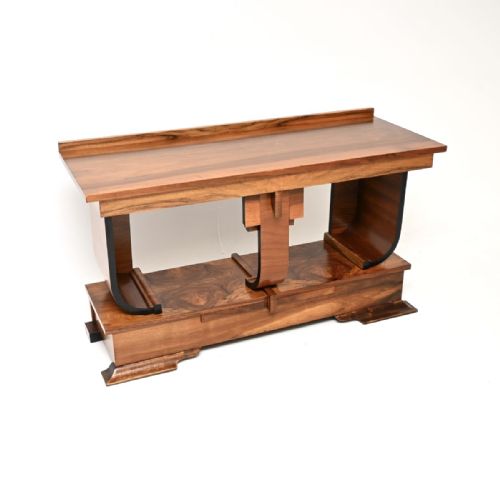
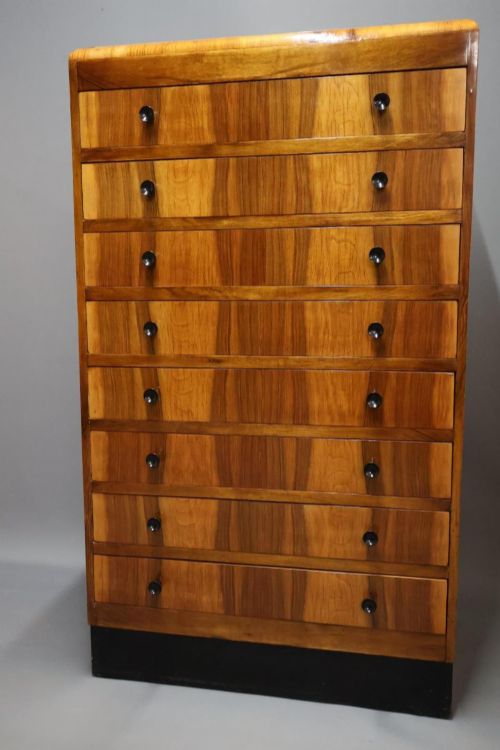
Wood construction relies on figured walnut, ash and timber, shaped into stepped consoles, tallboys and dedicated display surfaces. Metal elements such as bronze, brass and silver plate integrate with these stone and wooden elements through concealed fixings and mounts.
Art Deco Plinths Retail Price Guide 2026
Typical asking prices for art deco plinths among the pieces listed under this phrase on Sellingantiques today, from the lower quarter to the upper quarter. They describe what is for sale here now, not the wider market.
Listings feature materials spanning bronze, marble, onyx, wood, terracotta, patinated metal, timber and glass.
Distinctions in quality and execution
Quality rests upon the selection of natural minerals and the precision of their polish. Finer plinths employ richly veined marble or multi-coloured onyx that complements the metalwork above, whereas lesser pieces utilise plain or heavily repaired stone.
The harmony between the base and the mounted figure dictates overall success. Superior examples demonstrate secure structural integration where the stone, wood or metal plinth matches the scale and aesthetic ambition of the sculpture it supports.
D. H. Chiparus·Josef Lorenzl·Guido Cacciapuoti·Bohumil Rezl
The Art Deco Plinths Glossary
- Plinth
- A heavy base or pedestal supporting a statue, pillar or vase. In this context, it refers to the stone or wooden mount that elevates sculptural works.
- Onyx
- A banded variety of chalcedony quartz valued for its translucent layers and polished finish. It frequently forms the colourful foundation blocks of period sculptures.
- Spelter
- A zinc alloy used as a cost-effective substitute for bronze in decorative figures. It is often painted or patinated to resemble higher-value metals.
- Patinated metal
- Metal treated with chemicals or heat to produce a specific surface colour and sheen. This treatment protects the material while enhancing visual depth.
Art Deco Plinths: Frequently Asked Questions
What materials were used for these bases?
Makers relied heavily on natural stone such as marble, onyx and granite to provide weight and stability. Wood and timber also appear as foundational elements.
These materials were chosen for their density and decorative grain, ensuring the supporting base balanced the visual weight of the sculpture.
How do I care for marble and onyx plinths?
Stone bases require simple dusting with a soft, dry cloth to prevent surface scratching. Avoid harsh chemical cleaners that strip the original polish.
Wax or specialised stone polishes can be applied sparingly to maintain the lustre of older marble and onyx surfaces.
What periods do these pieces date from?
The objects on this page originate primarily from the 1920s and 1930s. This era defined the height of the Art Deco movement.
Occasional items reflect earlier late nineteenth-century manufacture, demonstrating the stylistic roots of interwar design.