
Art Deco Platinum Gold Ring
An art deco platinum gold ring brings geometric lines and durable metals together, offering enduring design for daily wear.
Art Deco Platinum Gold Ring
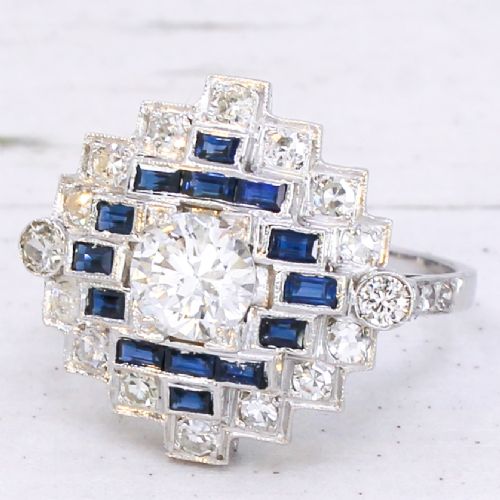
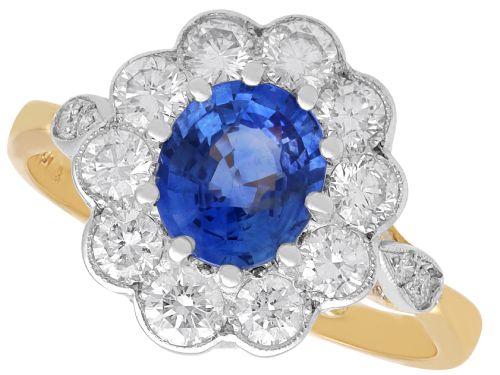
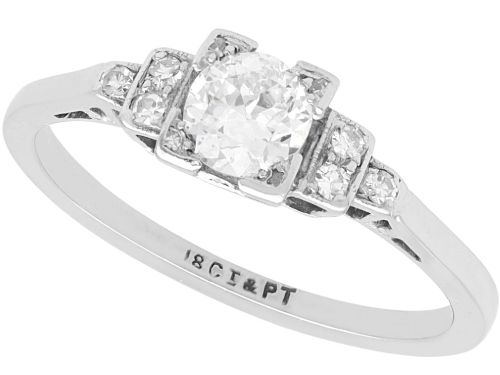
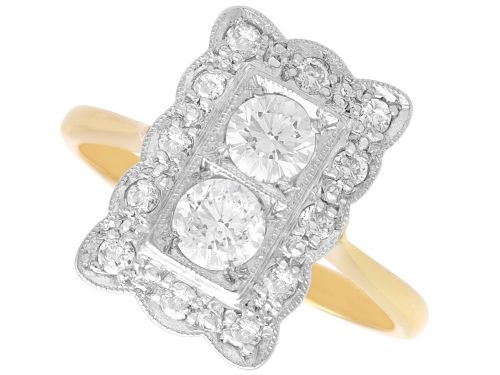
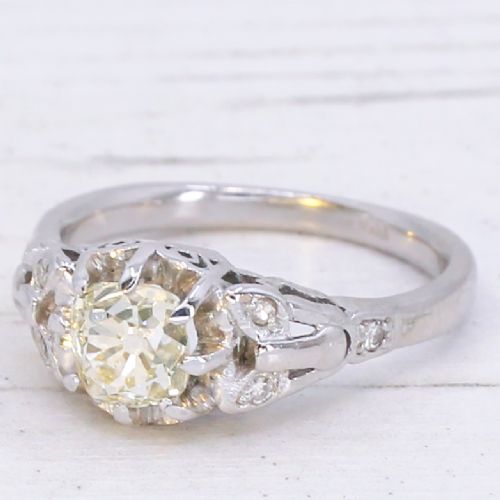
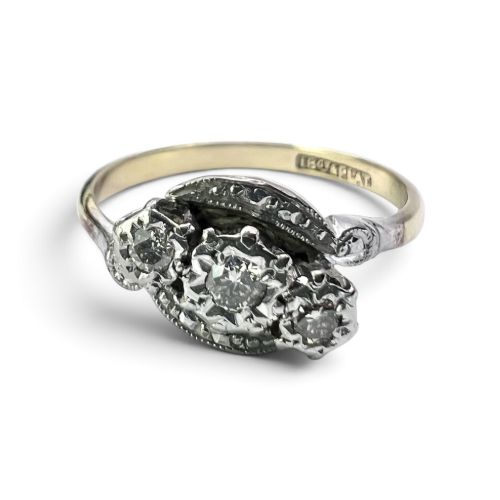
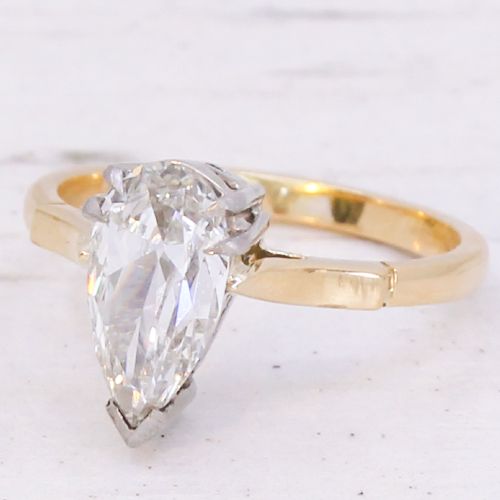
An art deco platinum gold ring combines the bright white setting surface of platinum with the warm yellow or white tone of 18ct gold, typically framing central diamonds alongside calibre-cut sapphires, rubies, or emeralds.
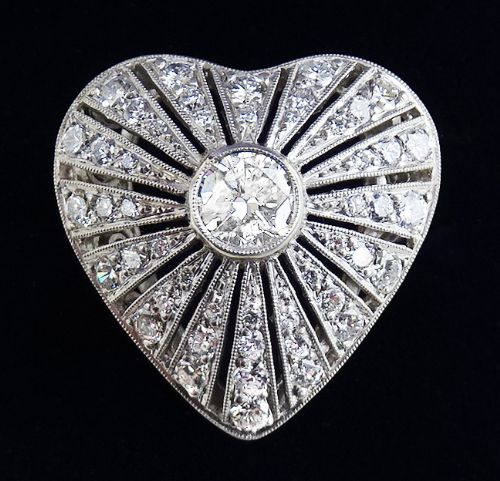
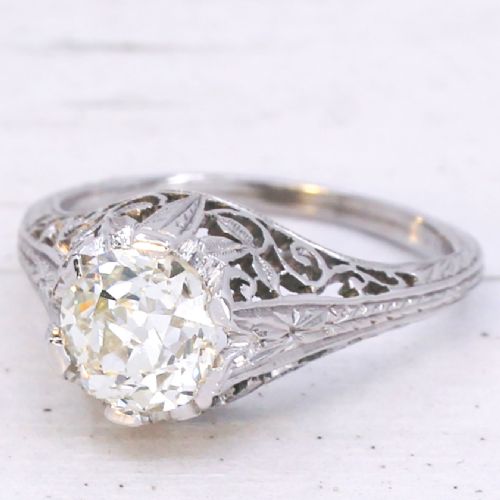
Most examples originate from the 1920s and 1930s, displaying characteristic geometric motifs, millegrain edging, and openwork galleries that define the period aesthetic.
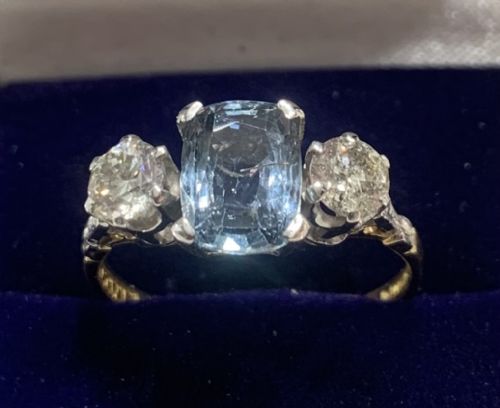
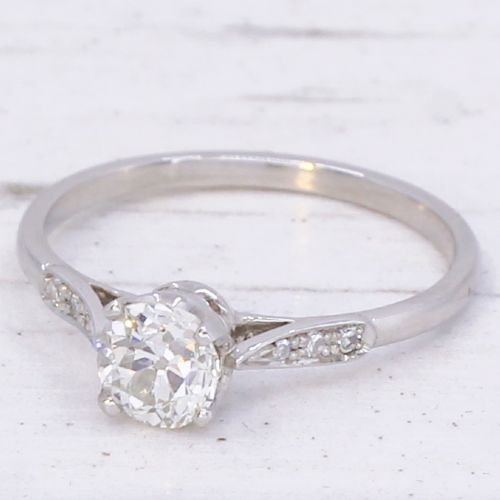
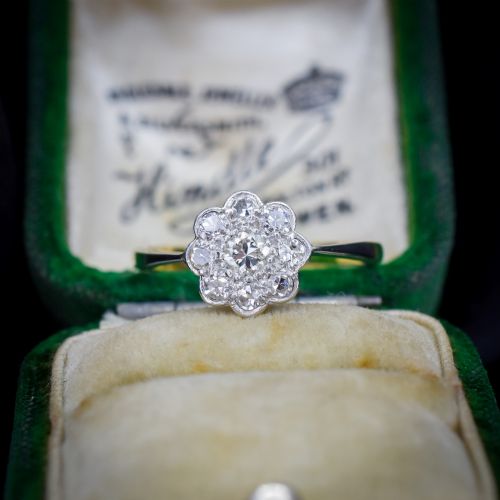
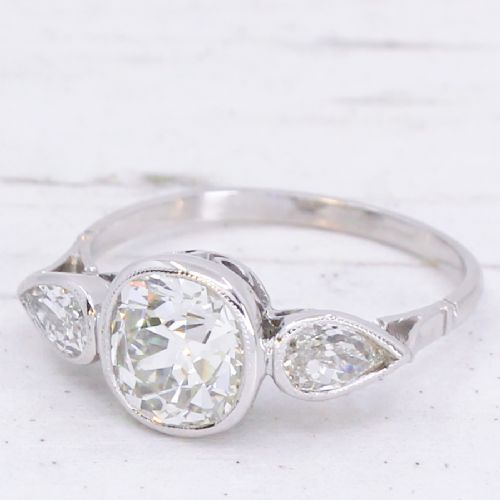
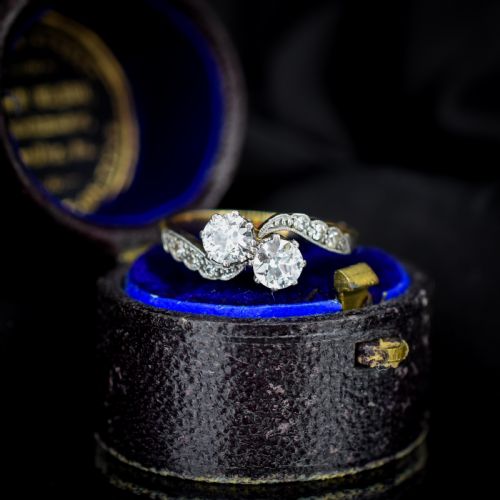
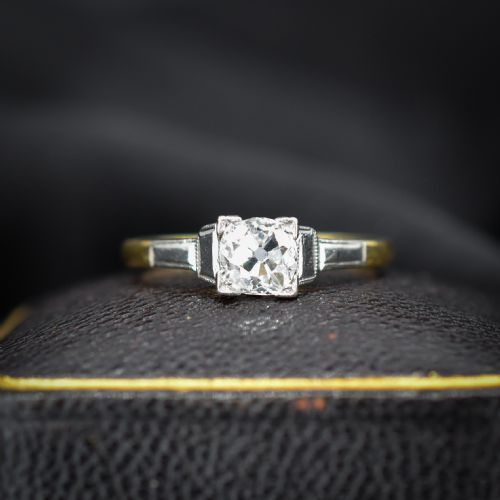
Solitaires, clusters, trilogy settings, and navette shapes dominate the available forms, reflecting the preference for architectural symmetry and bold finger coverage.
How they were made
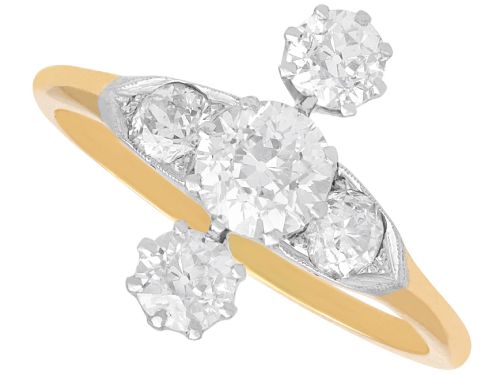
Goldsmiths utilised a dual-metal technique, fusing platinum to the upper face of an 18ct yellow or white gold shank to secure precious stones safely while maintaining structural strength.
Gemstones were hand-cut into old European, old cushion, or rose facets, then set within millegrain borders that involved pressing tiny beads of metal along the bezel edges for texture.
Open metalwork galleries and pierced plaque designs reduced the overall weight of the mount while maximising light passage through the central diamonds and coloured gems.
Listings feature pieces spanning the 1900s through the 1960s, with the 1920s and 1930s representing the core production eras.
What varies in quality
The precision of the hand-carved millegrain and the crispness of the geometric angles separate refined workshop output from simpler commercial production.
Stone selection dictates overall merit, distinguishing well-matched calibre gems and bright old-cut diamonds with clean facets from inclusions that dull the play of light.
Original structural integrity, including minimal thinning to the 18ct gold shank and unaltered platinum claw settings, preserves the authentic character of the piece.
The Art Deco Platinum Gold Ring Glossary
- Platinum
- A dense, durable white metal utilised during the period to securely hold gemstones without obscuring their brilliance.
- Millegrain
- A decorative technique featuring a fine border of tiny raised metal beads along the edge of a setting.
- Trilogy
- A ring featuring three principal stones set in a row, often interpreted to represent past, present, and future.
- Navette
- A boat-shaped mounting design that extends longitudinally along the finger, creating a distinct silhouette.
- Toi et Moi
- A two-stone twist ring style symbolising two souls intertwined, popular in vintage high-society jewellery.
Art Deco Platinum Gold Ring: Frequently Asked Questions
How do I care for my ring?
Clean your piece gently using warm soapy water and a soft brush to remove oils from the mount without disturbing the delicate settings.
Avoid wearing the ring during heavy manual tasks to protect the platinum claws and prevent wear to the gold band.
Were these used as engagement rings?
Many examples served as engagement jewellery during the 1920s and 1930s, particularly solitaire and diamond cluster configurations.
Couples also selected multi-stone trilogy designs or coloured gemstone clusters to mark betrothals during the period.
How do I identify a period piece?
Examine the construction for characteristic dual-metal fabrication, where platinum tops an 18ct yellow gold shank beneath hand-cut stones.
Look for geometric plaque work, millegrain detailing, and authentic old European or old cushion cut diamonds typical of the era.
Can the ring be resized?
Most qualified jewellers can adjust the size of an 18ct gold and platinum band without compromising the structural integrity of the setting.
Careful laser soldering protects nearby gemstone settings from heat damage during the adjustment process.