


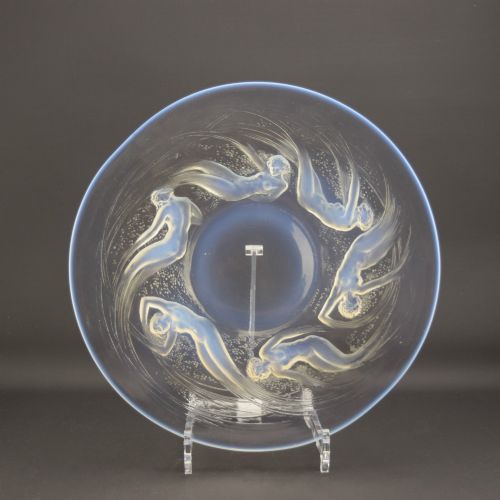
Art Deco Opalescent Glass
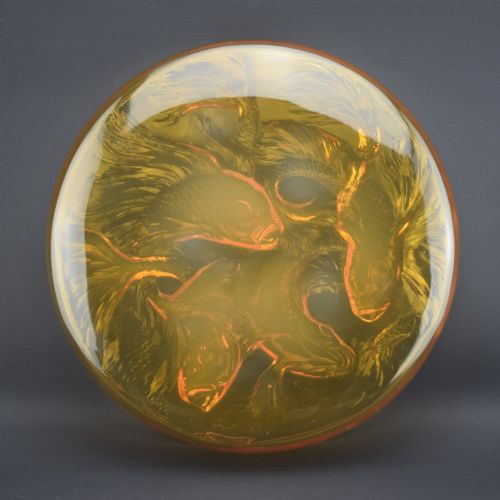
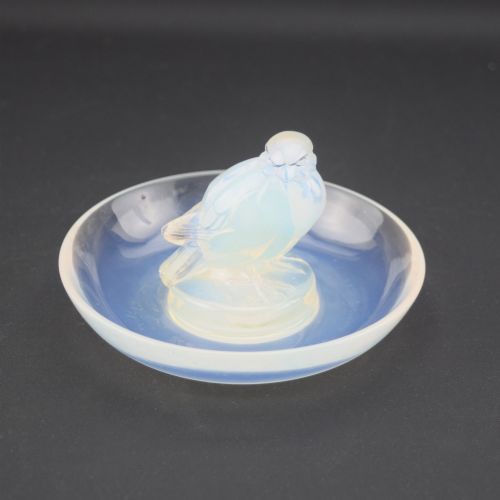
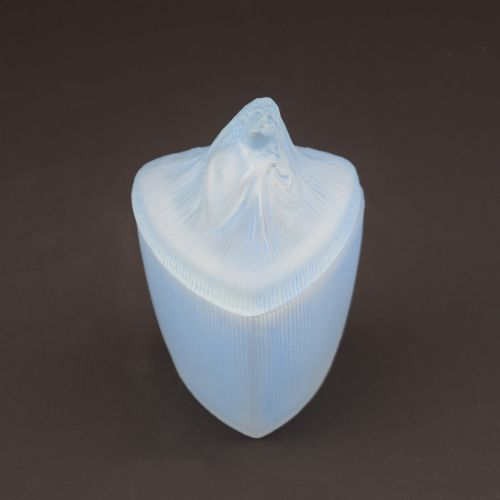
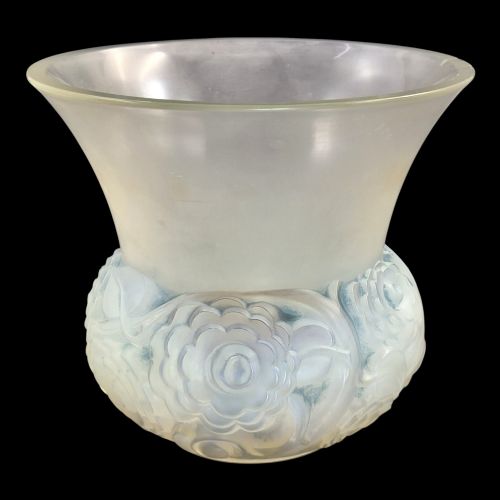
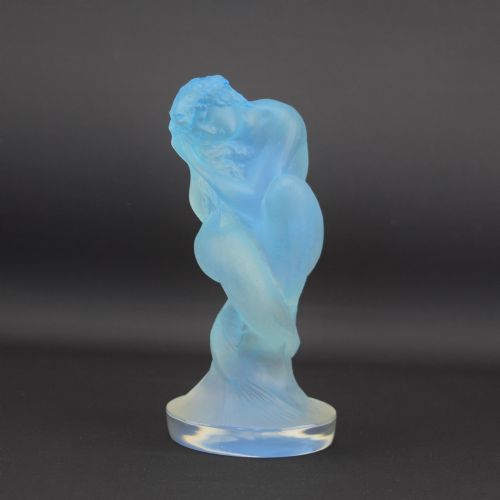
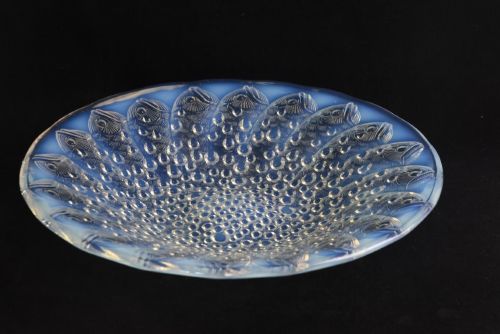
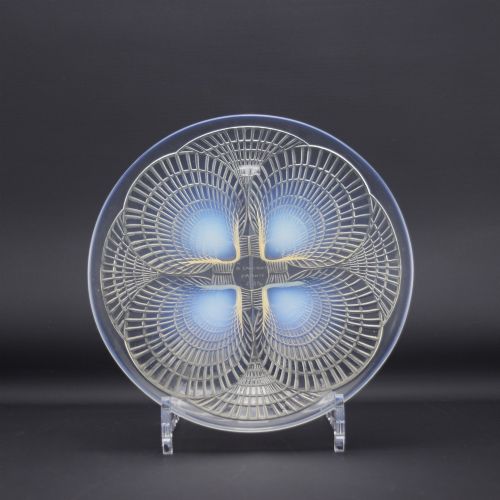
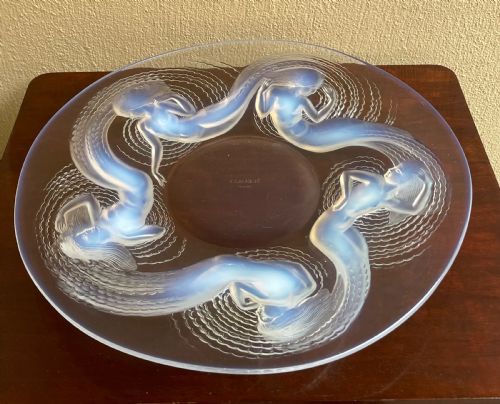
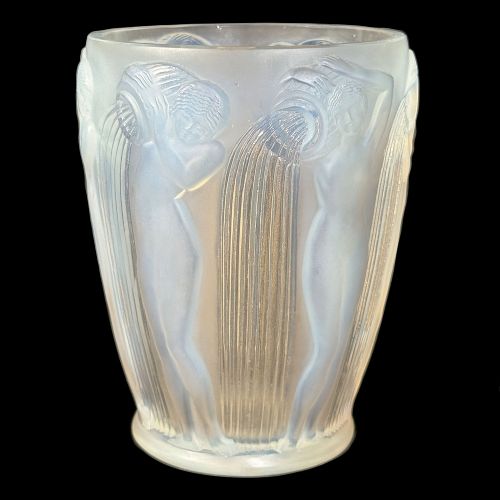
Art deco opalescent glass catches the light with milky blues and amber tones, offering the distinct aesthetic of the early twentieth century.
Art Deco Opalescent Glass
Art deco opalescent glass encompasses decorative bowls, vases, plates, and lighting fixtures produced primarily during the 1920s and 1930s. Buyers searching this phrase encounter pressed, moulded, and frosted glass objects shaped into floral motifs, figurative designs, and geometric profiles.
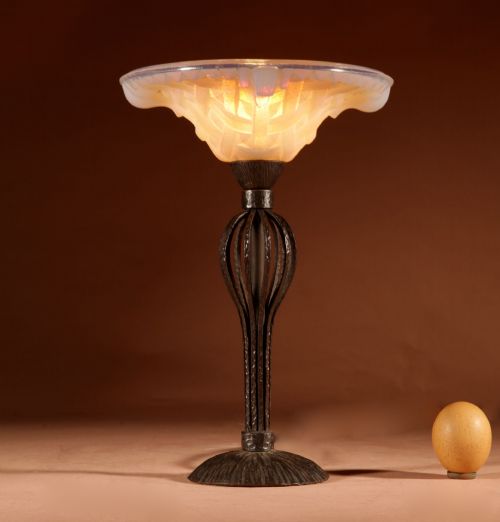
Vessels and decorative dishes dominate the selection, often featuring deep relief carving and characteristic milky fire that shifts tone according to the angle of illumination. French makers supplied much of the output, pairing the translucent material with metal, wrought iron, or brass mounts in table lamps and centrepieces.
Materials and Techniques
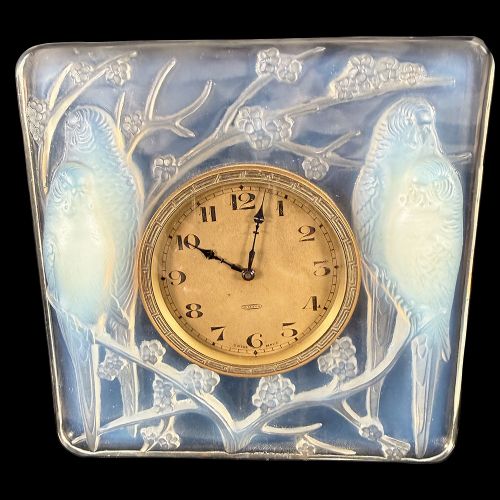
Makers utilised specialised glass formulations containing bone ash, arsenic, or fluorides to produce the signature milky opalescence that scatters blue light under direct illumination and amber tones against the light. Molten material entered metal or iron moulds under pressure to form intricate high-relief patterns depicting flowers, birds, and female figures.
Post-moulding work involved acid etching, enamelling, or staining the glass with blue or dark pigments to accentuate the sculptural details of the design. Metalwork components such as wrought iron frames and brass bases were custom-fitted to accommodate heavy glass bowls and table lamps.
Listings feature items spanning the 1900s, Edwardian period, 1920s, 1930s, and 1940s, utilising moulded, frosted, and pressed glass alongside wrought iron and brass.
Judging Quality
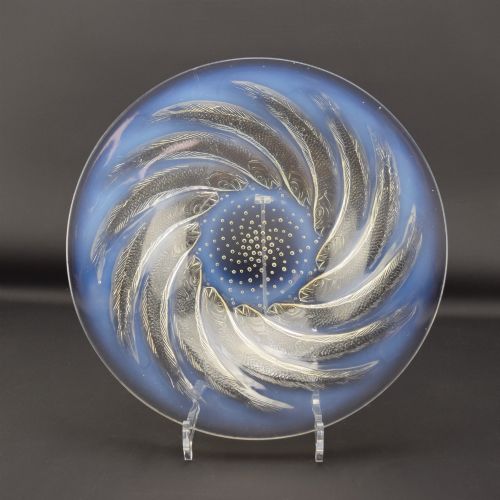
Quality rests in the crispness of the moulded relief and the intensity of the opalescent effect within the glass body. Superior examples exhibit precise detailing in complex motifs such as fish, birds, or plant stems without blurring across high-relief edges.
The integration of the glass with structural elements like wrought iron mounts or metal bases dictates the refinement of the piece. Stronger examples display harmonious proportions between the translucent body and its supporting metal framework.
Rene Lalique·G Vallon·Etling·Marius Ernest Sabino
The Art Deco Opalescent Glass Glossary
- Opalescent glass
- Glass containing chemical agents that cause it to appear milky white with blue highlights when lit from the front, and amber when lit from behind. This optical property defines the visual appeal of these objects.
- Coupe ouverte
- An open bowl or charger form frequently utilised for tableware and decorative display. These large pieces showcase extensive moulded surface decoration.
- Car mascot
- A sculptural glass ornament mounted on the radiator cap of a motor vehicle during the early twentieth century. Many were repurposed as desk paperweights after their motoring era.
- Pressed glass
- Material shaped by forcing molten glass into a metal mould using a plunger. This mechanical process allowed for the mass production of highly detailed decorative items.
- Frosted glass
- Material treated by acid-etching or sandblasting to create a matte surface texture. It diffuses light and highlights the contours of relief carvings.
Art Deco Opalescent Glass: Frequently Asked Questions
How do I display art deco opalescent glass?
Place these pieces near natural light sources or spotlights to activate the internal colour change between milky blue and warm amber. Position bowls and vases away from high-traffic areas where accidental knocks might occur.
Pair glass figures and chargers with neutral backgrounds that allow the translucent details and moulded reliefs to stand out clearly.
Were these objects meant for daily use?
Most decorative plates, bowls, and vases served primarily as ornamental centrepieces in period interiors rather than utilitarian tableware. Their delicate moulded surfaces and chemical compositions made them sensitive to heavy handling.
Lighting fixtures and car mascots fulfilled practical functions while incorporating artistic sculpture into everyday machinery and domestic spaces.
How do I clean opalescent glass safely?
Wash the glass gently in lukewarm water using mild, non-abrasive soap and a soft cloth. Avoid harsh chemical cleaners and ultrasonic baths that can damage delicate acid-etched surfaces or applied stains.
Dry each piece immediately with a lint-free towel to prevent water spots from obscuring the subtle opalescent finish.
What period do these glass pieces come from?
The objects originate largely from the interwar decades of the 1920s and 1930s, aligning with the height of the Art Deco movement. Earlier examples from the Edwardian era and the 1900s also appear in transitional styles.
Design motifs shifted from organic Art Nouveau plant forms toward symmetrical, stylised geometries and bold figurative subjects as the periods progressed.