





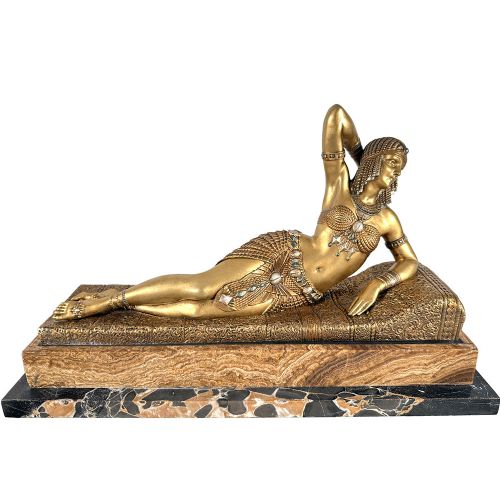


Art Deco Onyx Figurine
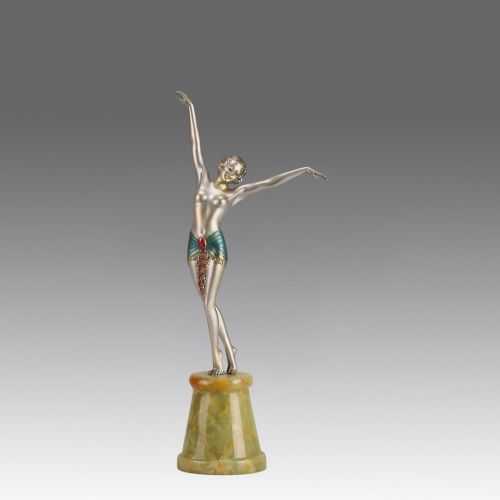
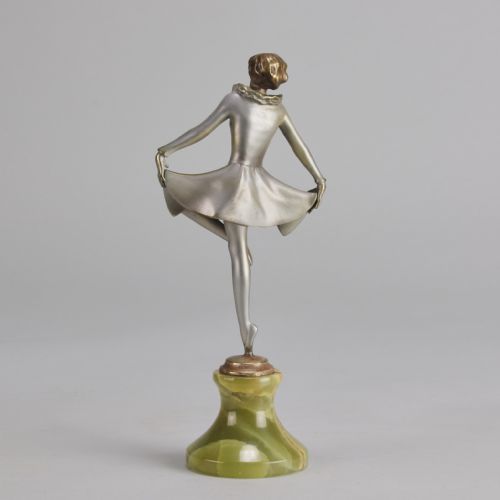
These art deco onyx figurine examples combine sculpted metal figures with distinctive stone plinths, offering collectors classic interwar decorative style.
Art Deco Onyx Figurine
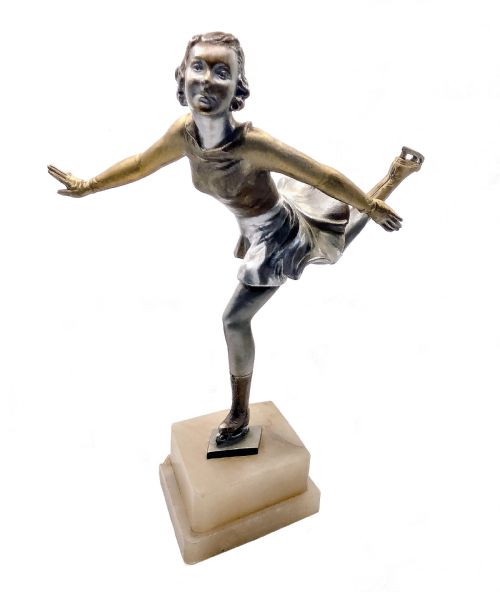
An art deco onyx figurine brings together a cast metal subject mounted upon a polished stone base, most frequently taking the form of dancers, athletes or animals. When you search this phrase, you encounter works produced during the interwar decades, specifically spanning the nineteen-twenties and nineteen-thirties.
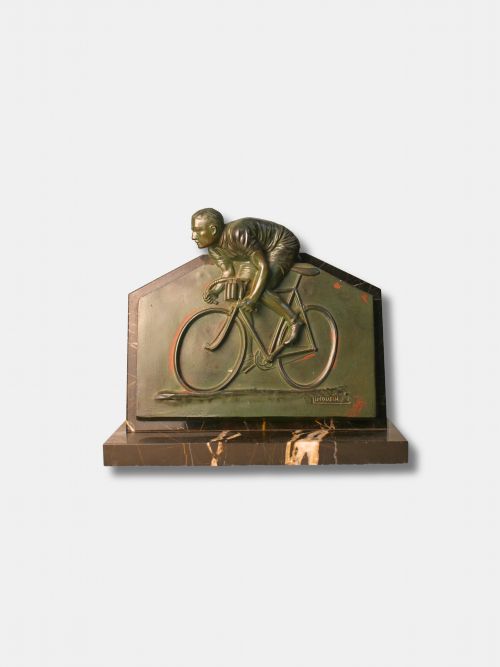
The versions most commonly met on this page pair patinated or cold-painted metal figures with heavy rectangular or circular bases made from onyx and marble. These pieces function as decorative sculptures or functional items such as table lighters.
Originating largely from European studios, these objects capture the energetic movement and stylised geometry characteristic of the period. The integration of stone plinths provides stability and contrast to the dynamic poses of the metal subjects.
Materials and Construction
The supporting plinths were cut and polished from natural onyx and marble, providing a dense, variegated foundation for the sculptures. Metal pins and screws secure the figures firmly to these stone bases.
Dancers, ice skaters, and golfers share shelf space with stags and horses.
Judging Quality and Execution
The distinction between tiers rests upon the precision of the metal casting and the subtlety of the cold-painted surface decoration. Finer examples display crisp details in fingers, drapery, and facial expressions without casting flaws.
Selection of the stone base also dictates overall merit, where unblemished onyx with rich natural banding elevates the piece above plain or heavily repaired stone mounts.
Josef Lorenzl·Demetre Chiparus·Paul Philippe·Pierre Le Faguays·Claire Colinet·Bruno Zach·Geo Maxim·Marion Willis Stanfield
The Art Deco Onyx Figurine Glossary
- Onyx
- A banded variety of chalcedony used extensively for sculptural plinths and bases. Its natural translucence and distinct striping provide a decorative contrast to cast metal figures.
- Spelter
- A zinc alloy frequently utilised as a cost-effective alternative to bronze during the interwar period. It accepts patination and cold-painted finishes readily.
- Cold-painted
- A technique where paint is applied to metal objects without subsequent kiln firing. This finish is delicate and relies on careful handling to survive intact.
- Patinated
- A chemically induced surface coloration on bronze or metal sculpture. It alters the tone of the metal to achieve aged or deliberate chromatic effects.
- Chryselephantine
- A term describing statues made from a combination of bronze and ivory. These works demand specialised care due to the differing expansion rates of the materials.
Art Deco Onyx Figurine: Frequently Asked Questions
How should I clean the onyx base?
Dust the stone gently with a dry, soft microfiber cloth to prevent scratching the polished surface. Avoid harsh chemical cleaners or excess moisture, which can penetrate unsealed stone or damage painted metal elements.
For stubborn marks, use a barely damp cloth followed immediately by a dry buffing.
How do I date these sculptures?
Dating relies on stylistic indicators characteristic of the nineteen-twenties and nineteen-thirties, alongside foundry marks or signatures inscribed directly into the metal. The geometry of the poses and the specific combination of onyx and bronze point directly to the interwar era.
Comparison with documented works by known makers helps narrow the production window.
Were these pieces purely decorative?
While the majority served as freestanding sculptural ornaments for domestic interiors, some designs incorporated practical elements. Certain works double as functional table lighters or desk accessories while maintaining their artistic form.
Their dual purpose made them popular additions to contemporary smoking rooms and salons.