

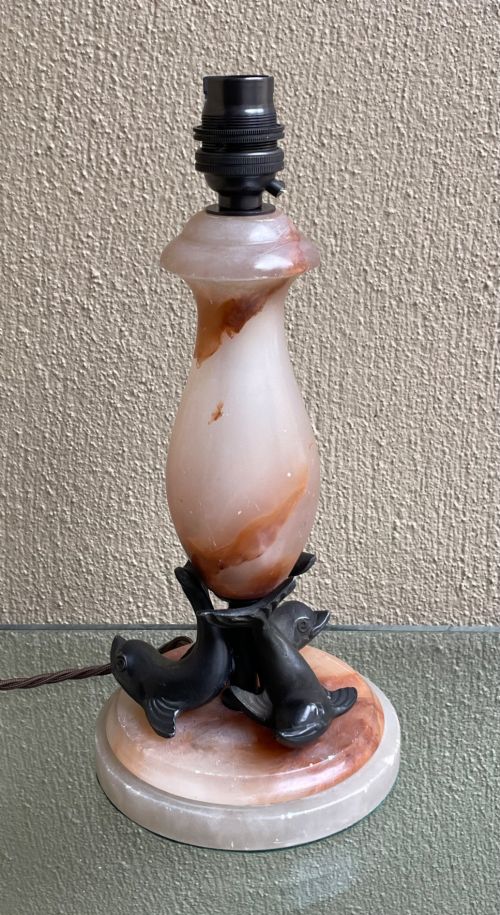


Art Deco Marble Bedside
Art deco marble bedside pieces bring distinct period geometry and polished stone surfaces to bedroom spaces.
Art Deco Marble Bedside
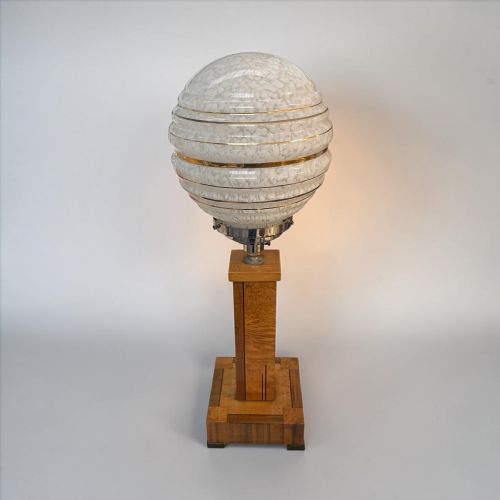
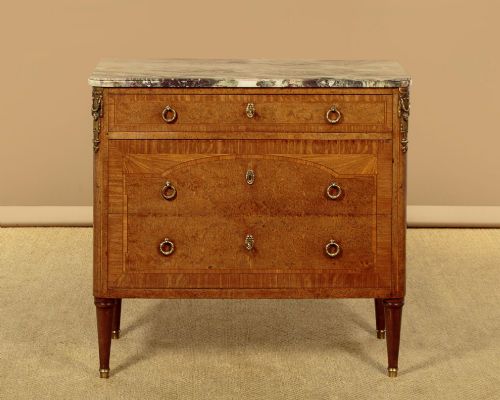
When you search for art deco marble bedside items, you encounter a selection spanning bedside tables, bedside cabinets, table lamps, and night lights from the 1920s and 1930s. These pieces combine functional furniture and lighting with characteristic stone bases and surfaces.
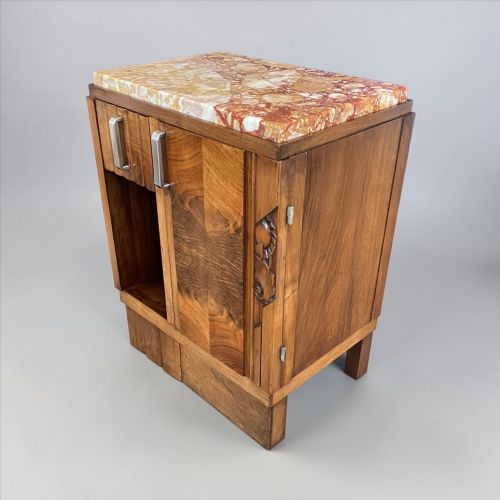
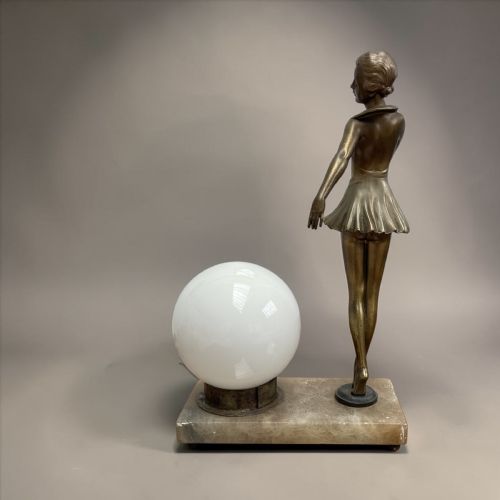
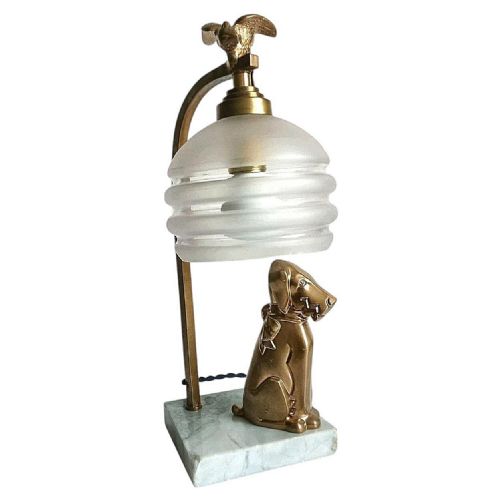
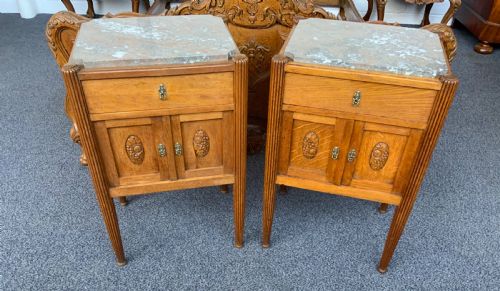
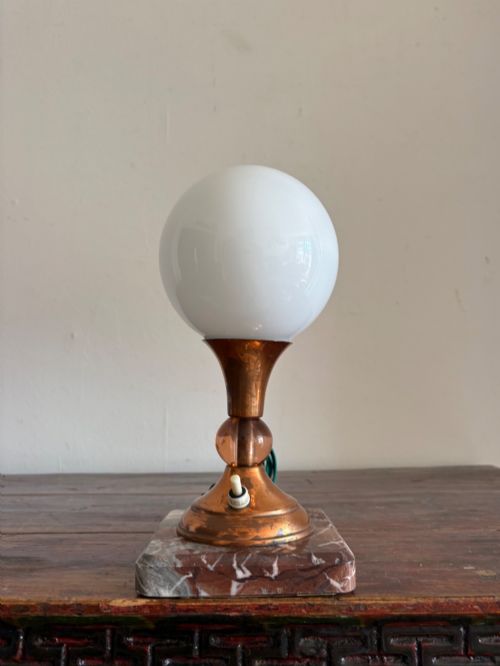
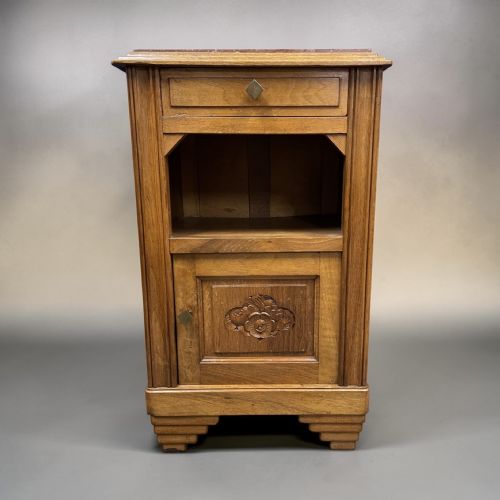
The most common formats on this page are marble-topped bedside cabinets in French oak and various table lamps featuring marble or onyx bases. Many incorporate bronze animal figures, glass shades, or clocks alongside the primary stone element.
Origins represented in these listings point strongly towards French workshops, alongside Italian production and general European manufacture from the interwar decades. Buyers find both individual items and matched pairs designed for placement beside a bed.
Materials and construction methods
The construction of these pieces relies on the pairing of dense natural stones such as marble and onyx with metals including brass, bronze, and copper. Wood elements like French oak provide the structure for bedside cabinets, while glass, opaline, and frosted glass form lamp shades and night light components.
Craftsmen shaped the stone into geometric or stepped bases, mounting cast bronze figures, figural lamps, or timepieces directly onto the marble surfaces. Metalwork components were patinated or polished to contrast with the variegated patterns of the stone.
Art Deco Marble Bedside Retail Price Guide 2026
Typical asking prices for art deco marble bedside among the pieces listed under this phrase on Sellingantiques today, from the lower quarter to the upper quarter. They describe what is for sale here now, not the wider market.
Several lamps on this page feature dogs, parrots, greyhounds, and seagulls keeping watch over the bedside.
Factors determining quality
Quality in these items is determined by the selection of the stone and the refinement of the accompanying metalwork or woodwork. Uniformity in the marble veining and precision in the bronze casting distinguish finer examples from standard production.
The integration of materials, such as the fit between metal mounts and stone bases or the quality of opaline and frosted glass shades, separates standard pieces from more ambitious workshops.
Garrards·Baccarat
The Art Deco Marble Bedside Glossary
- Onyx
- A form of banded chalcedony often utilised for lamp bases and clock cases during the period. Its translucent quality allows light to pass through thinner sections.
- Opaline glass
- A milky, semi-translucent glass popular for interwar lighting shades. It diffuses light evenly across bedside table lamps.
- Frosted glass
- Glass treated to have a textured, matte surface that softens illumination. It frequently appears in figural and night light panels from this era.
- Bedside cabinet
- A small enclosed piece of furniture designed to sit beside a bed. The listings show examples constructed from French oak with inset stone tops.
Art Deco Marble Bedside: Frequently Asked Questions
What defines art deco marble bedside items?
These items encompass small cabinets, clocks, and lamps produced during the 1920s and 1930s that incorporate stone plinths or tops.
They reflect the geometric and material trends of the interwar period, combining functional design with decorative stone work.
How were these pieces used originally?
Bedside cabinets and tables served to hold nighttime necessities and small lamps within reach of the bed.
Table lamps and night lights provided subdued illumination for bedrooms, often featuring figural bronze elements or decorative glass shades.
How do I care for marble and onyx surfaces?
Natural stone requires gentle cleaning with a soft, dry cloth to remove dust without scratching the polished finish.
Avoid acidic cleaning agents or excessive moisture, which can penetrate and stain porous stone and degrade metal mounts.
How can I distinguish 1920s pieces from 1930s pieces?
Items from the 1920s often show transitional neoclassical influences alongside early modernist geometry.
By the 1930s, designs tended towards more streamlined forms and simplified geometric arrangements in both furniture and lighting.