



Art Deco Makeup Compact
An art deco makeup compact brings geometric elegance and pocket-sized vanity to your dressing table.
Art Deco Makeup Compact
An art deco makeup compact is a portable container designed for powder and cosmetics, originating predominantly from the nineteen twenties and nineteen thirties. These vanity cases and powder compacts reflect the modernist aesthetic of the interwar period.
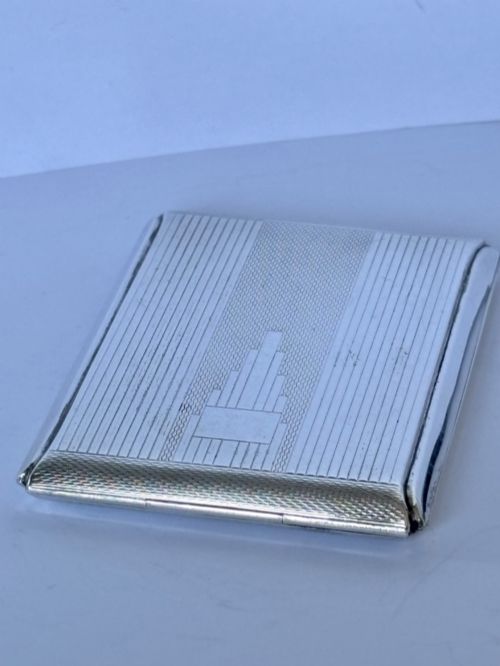
You are most likely to meet pieces finished in enamel, chrome, or sterling silver, often featuring the characteristic geometric motifs of the style. The selection includes simple pocket accessories alongside more elaborate combination compacts.
Origins span British workshops, French makers, and Chinese export silver pieces, showing a truly international design language. Makers such as the Daniel Manufacturing Co and Richard Hudnut produced notable examples during this era.
How they were made
Makers utilised stamped and cast metals, including brass, chrome, and sterling silver, to form the structural body of each compact. These metal housings were frequently engineered with secure hinges and interior mirror plates.
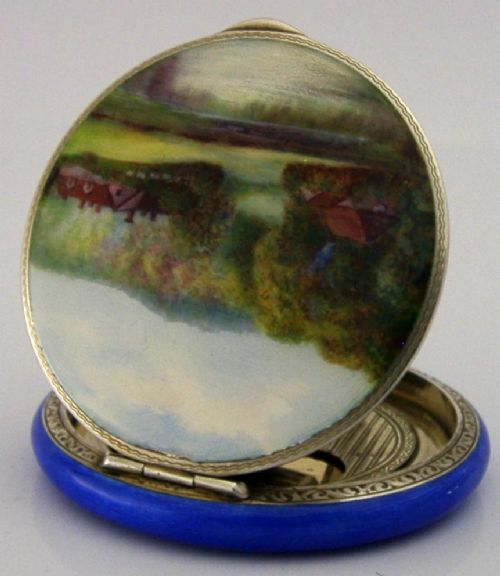
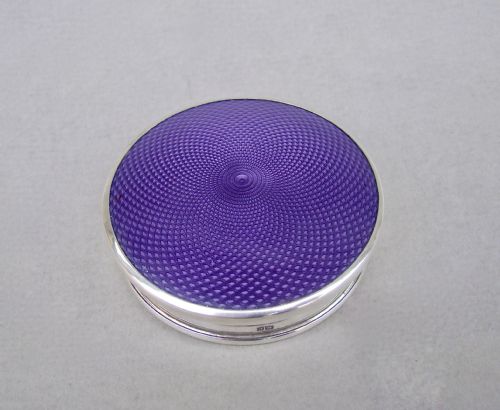
Surface decoration relied heavily on applied enamel, celluloid, and hand-painted details to create vibrant colour contrasts. Some versions incorporated delicate mesh work and suede linings for practical cosmetic storage.
Art Deco Makeup Compact Retail Price Guide 2026
Typical asking prices for art deco makeup compact among the pieces listed under this phrase on Sellingantiques today, from the lower quarter to the upper quarter. They describe what is for sale here now, not the wider market.
Materials recorded across the selection include traditional sterling silver, base metals, enamel, celluloid, and delicate suede linings.
What varies in quality
The distinction between standard and superior pieces rests upon the complexity of the metalwork and the precision of the enamel or hand-painted decoration. Integrated maker marks and hallmarked sterling silver frames generally elevate a piece.
The integrity of mechanical components, such as snap closures and hinge alignment, separates ordinary manufacturing from finer craftsmanship. Finer examples retain intact interior mirrors and original linings like suede.
The Daniel Manufacturing Co·Richard Hudnut
The Art Deco Makeup Compact Glossary
- Enamel
- A glassy substance fused to the metal surface through heat to provide durable colour and pattern. This technique created the vibrant geometric designs seen on many interwar accessories.
- Celluloid
- An early thermoplastic material used for decorative panels and details before modern plastics emerged. It offered makers a versatile medium for adding texture and tone.
- Mesh
- A flexible fabric woven from tiny metal links, commonly forming the body or interior purse sections of vanity accessories. It provides a fluid drape quite distinct from rigid metal cases.
- Combination compact
- A multi-functional vanity case designed to hold powder alongside compartments for cigarettes, lipstick, or coins. These pieces represent the most complex engineering found in portable cosmetics.
- Hallmark
- An official stamp struck into precious metals to indicate purity, origin, and maker. Sterling silver pieces frequently carry these marks to verify their silver content.
Art Deco Makeup Compact: Frequently Asked Questions
What is an art deco makeup compact?
An art deco makeup compact is a decorative metal or silver case used by women during the interwar period to carry face powder and cosmetics. These pocket-sized accessories combined practical vanity functions with the modern geometric design spirit of the nineteen twenties and thirties.
They appear in various forms, from simple round powder cases to elaborate combination vanity items fitted with mirrors, mesh purses, and compartments.
How do I date these compacts?
Dating relies on stylistic clues, materials, and stamped maker marks or silver hallmarks found on the metal body. The introduction of chrome, celluloid, and specific enamel colour palettes points directly to manufacturing dates in the nineteen twenties and nineteen thirties.
Items bearing specific maker names or silver assay marks often allow for a precise year of production to be identified.
What materials were used?
Makers constructed these accessories using a range of metals including sterling silver, brass, chrome-plated base metal, and gilt metal. Surfaces were frequently embellished with vitreous enamel, celluloid panels, and hand-painted details.
Interiors often featured fitted glass mirrors, fabric powder puffs, and delicate metal mesh alongside suede linings.
How should I clean my compact?
Cleaning requires a gentle approach to preserve original surface finishes, fragile enamel work, and delicate interior mirrors. Metal components benefit from careful wiping with a soft cloth, avoiding harsh chemical dips that can damage enamel or vintage plating.
Preserving the interior lining and mirror backing ensures the piece maintains its historical integrity.
Can I still use an antique compact?
While these items were originally made for daily cosmetic use, most collectors prefer to keep them as display pieces or vanity collectables. The aged hinges, delicate powder compartments, and historic mirrors are best preserved by handling them with care rather than loading them with modern cosmetics.
Displaying them on a dressing table allows the geometric designs and craftsmanship to be appreciated safely.