


Art Deco Lighting Standard
Art deco lighting standard pieces bring architectural form and period presence to a room, offering functional height alongside geometric styling.
Art Deco Lighting Standard
An art deco lighting standard is a tall floor-standing lamp designed to illuminate a room from an elevated position while anchoring the interior scheme. Buyers searching for an art deco lighting standard encounter pieces that take the form of standard lamps, floor lamps, and torcheres.
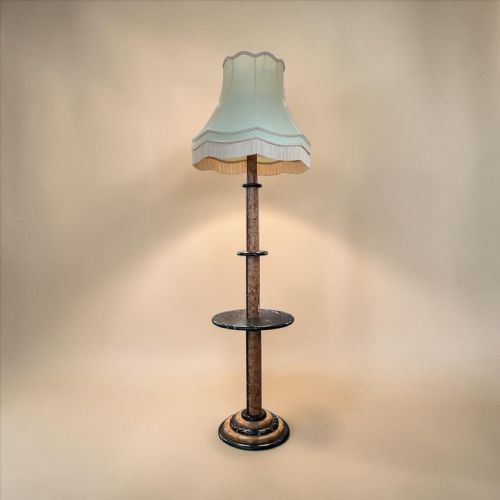
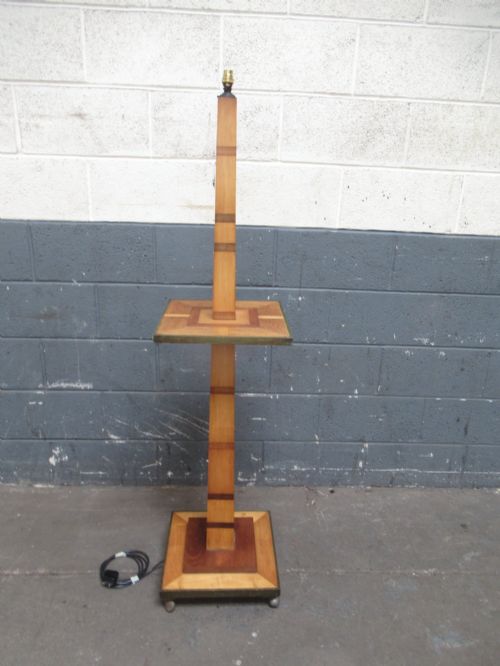
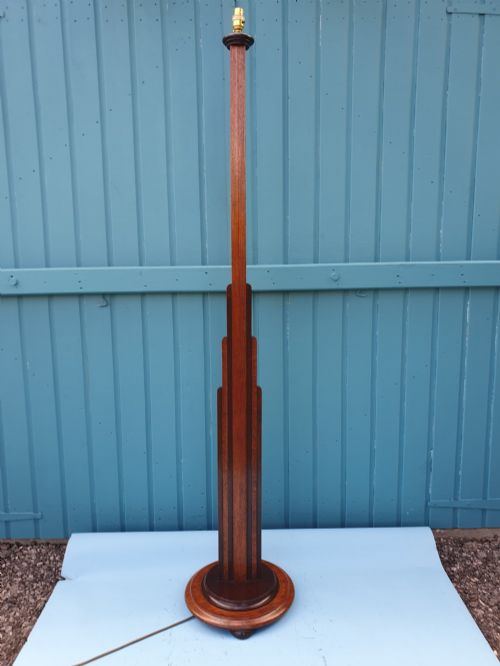
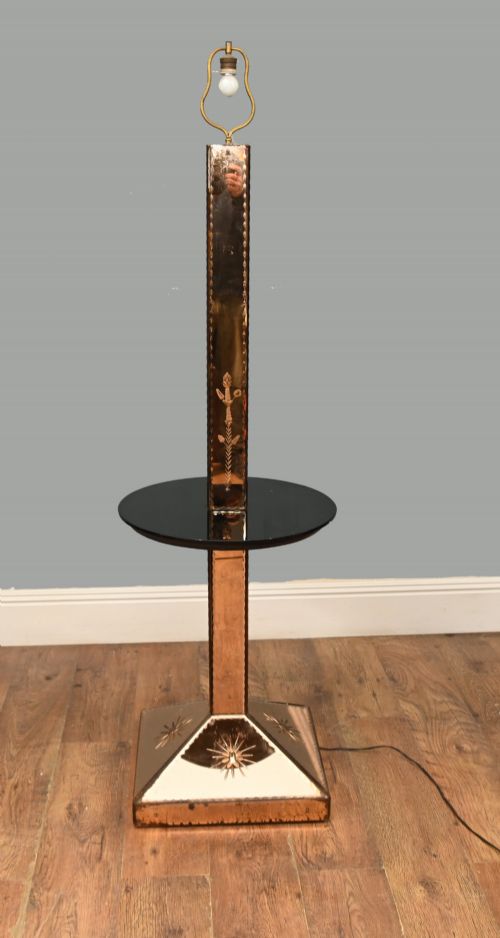
The selections span the 1920s and 1930s, incorporating distinct styles such as Art Deco, Neoclassical Revival, and Odeon or skyscraper silhouettes. Many examples integrate practical additions like glass cocktail tables, marble surfaces, or adjustable mechanisms.
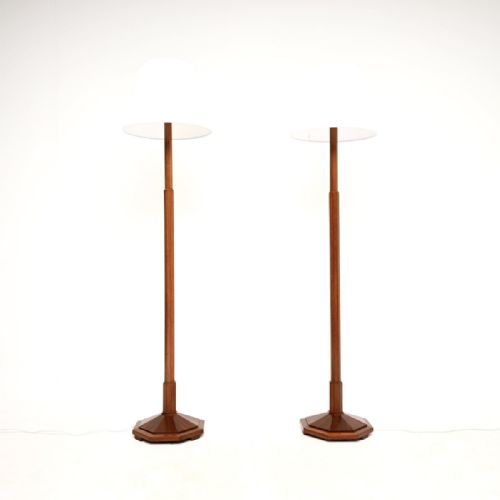
Makers and designers from the period utilised versatile formats, including pairs of floor lamps and specialised torchere vase standard lamps. These vertical fixtures serve as prominent focal points within domestic spaces.
How They Were Made
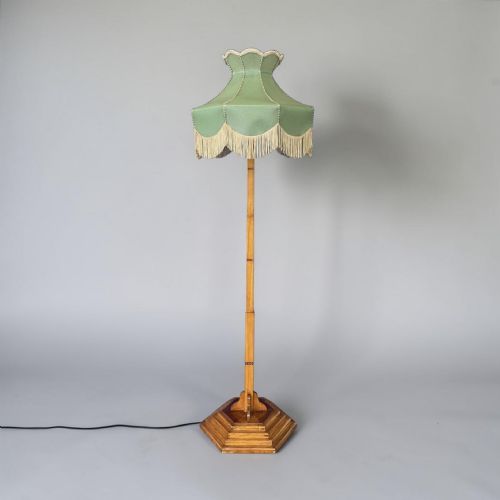
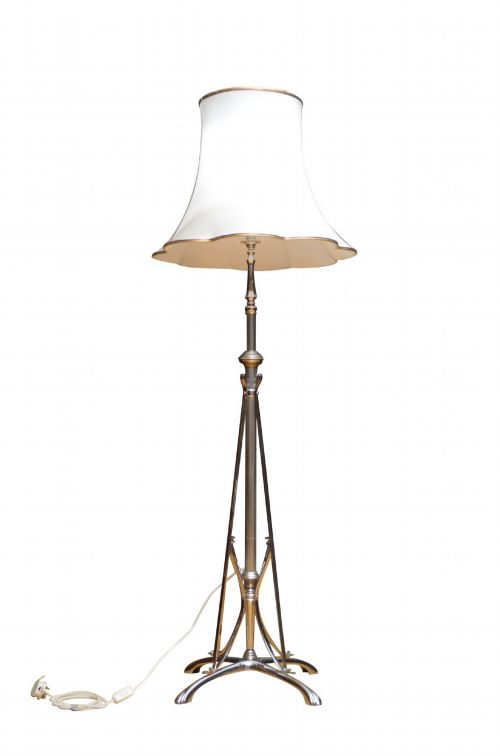
The construction of these standards relies on a deliberate mix of metals and timbers, with brass, chrome, and metal providing structural frameworks alongside oak, walnut, giltwood, and general wood components. Cabinet makers and metalworkers employed solid blocks of marble and applied silk fabrics for shades to complete the designs.
Techniques combine precision metal adjustment mechanisms with polished wooden shafts in blond walnut, golden walnut, and ebony. The pairing of chrome with glass elements creates the characteristic linear geometry associated with the period.
Object forms on this page include standard lamps, floor lamps, torcheres, and floor candle holders with integrated tables.
What Varies in Quality
Quality rests in the choice of materials and the complexity of the silhouette, separating standard production models from sculptural statement pieces. Finer examples utilise rich veneers such as golden walnut or incorporate functional tables and adjustable fittings.
The refinement of the carving or metalwork dictates the overall standard, distinguishing simple turned wooden shafts from architectural skyscraper designs and integrated marble bases.
Harry and Lou Epstein
The Art Deco Lighting Standard Glossary
- Standard Lamp
- A tall floor-standing lamp designed to provide ambient or task lighting in a room. These pieces feature an upright shaft supported by a heavy base.
- Odeon Style
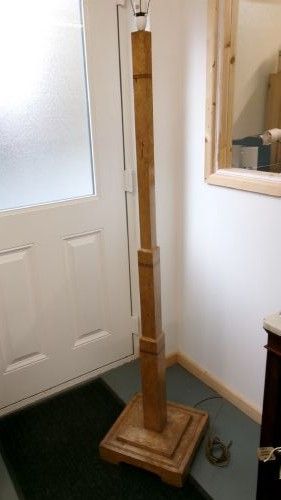
- An architectural aesthetic characterised by stepped setbacks resembling skyscrapers. The design reflects the urban grandeur of the period.
- Uplighter
- A lighting fixture configured to cast illumination upwards. This type creates soft, indirect ambient light within a space.
Art Deco Lighting Standard: Frequently Asked Questions
What is an art deco lighting standard?
An art deco lighting standard is a tall floor lamp designed during the 1920s or 1930s. These pieces combine vertical illumination with the geometric styles of the period.
They function as both lighting sources and sculptural furniture for a room, often incorporating materials like chrome, brass, oak, and walnut.
How do I use a torchere?
A torchere is placed in the corner of a room to cast light upward against the ceiling. This creates a soft, indirect glow rather than direct task lighting.
They suit living rooms and hallways where ambient warmth is preferred over harsh overhead glare.
How do I distinguish 1920s from 1930s pieces?
Pieces from the 1920s often lean toward early geometric patterns and traditional wood finishes like oak and walnut. The 1930s introduced industrial elements including chrome, adjustable mechanisms, and stepped skyscraper silhouettes.
Many listings also incorporate integrated glass cocktail tables or marble surfaces in the later decade.
Are lamps with attached tables practical?
Lamps featuring integrated marble or glass cocktail tables serve a dual purpose for modern living spaces. They provide a surface for small items while maintaining the vertical lighting column.
This combination of furniture and lighting was popular in period interiors for compact spaces.